
What Makes Makeup Vegan? Ingredients, Labels, and Easy Swaps

You have found a lipstick shade you love. Then you turn over the packaging and wonder what makes makeup vegan, whether cruelty-free means the same thing, and which claims matter for your sensitive lips. Those are different questions, and each deserves a clear answer.
Vegan makeup contains no animal-derived ingredients or animal by-products. Animal-testing policies and your personal ingredient needs deserve separate checks. Once you know what to look for, choosing your next lipstick or eyeshadow becomes much simpler.
Table of Contents
- What Makes Makeup Vegan?
- How to Read Vegan Makeup Labels
- Easy Vegan Makeup Swaps
- What Real Customers Are Saying
- How To Wear It: Makeup and Outfit Pairings
- Ingredient Love: Our Free-From Standards
- Application Tips for Comfortable, Smooth Wear
- Common Mistakes to Avoid
- Frequently Asked Questions
- Keep Reading
What Makes Makeup Vegan?
The defining ingredient requirement is the absence of animal-derived materials throughout the formula. That includes ingredients from insects and animal by-products, not just ingredients whose names obviously sound animal-based.
Some certification programs also examine manufacturing and animal testing. For example, Vegan Action's Certified Vegan standards require ingredient verification and set animal-testing criteria. A certification therefore needs to be understood according to the organization behind it.
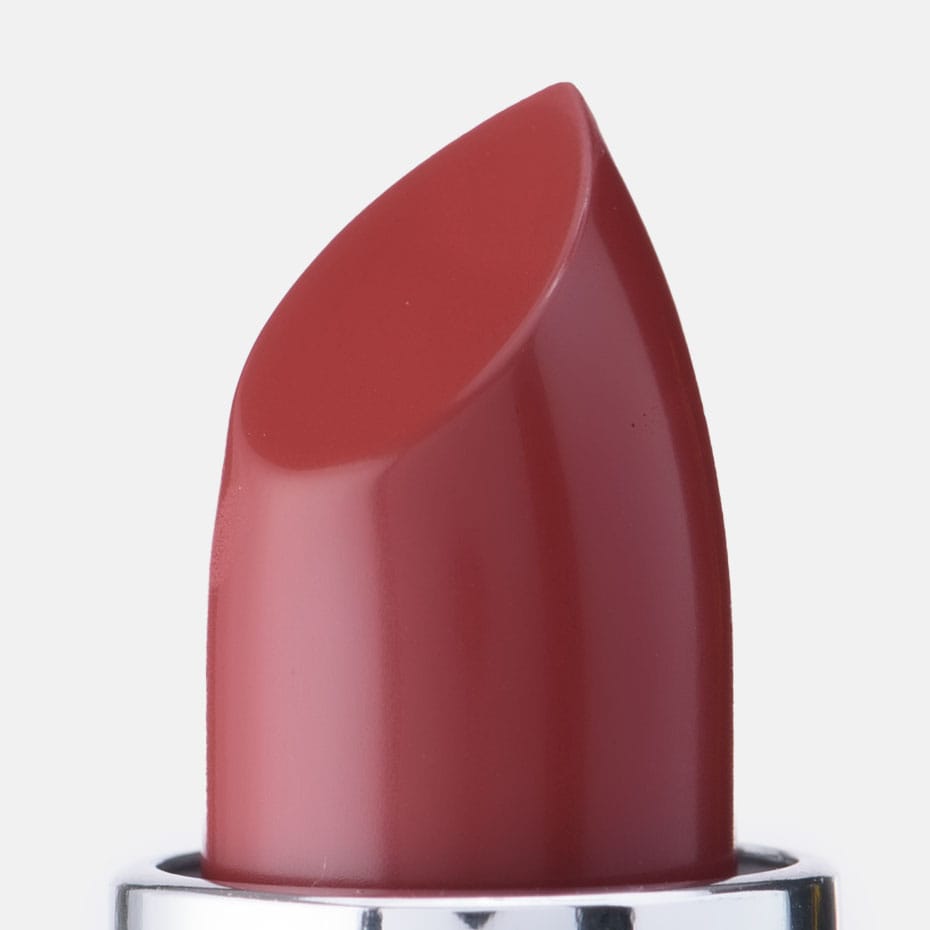
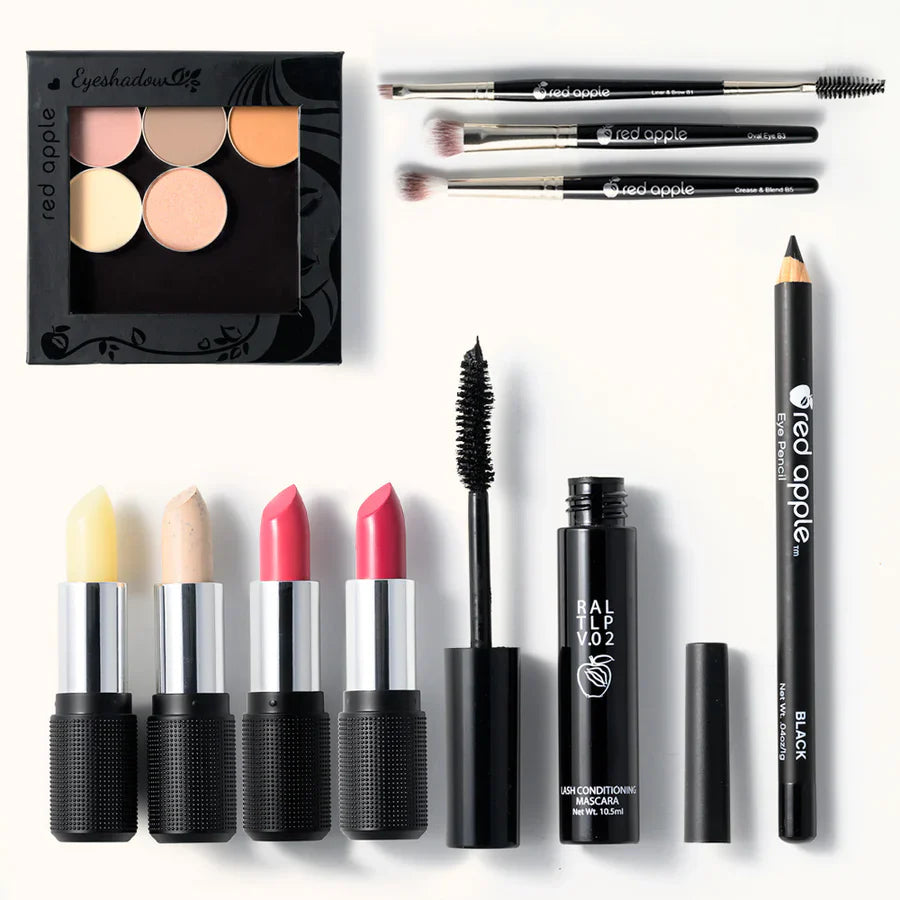
What does this mean at your dressing table? You can keep choosing the colors and finishes you enjoy while checking how they are made. Our vegan, cruelty-free hydrating lipsticks offer a practical starting point if you want lip color designed with comfort in mind.
Start with a shade you will actually reach for: a familiar rose, a soft nude, or your favorite kind of red. Your first switch should fit the routine you already love.
How to Read Vegan Makeup Labels
Begin with the full ingredient list and the brand's explanation of its vegan claim. A leaf on the box or a nature-inspired product name is not enough information to establish where every ingredient comes from.
Recognize a few common animal-derived ingredients
The Vegan Society's guide to animal ingredients in cosmetics identifies several names worth recognizing:
- Beeswax or Cera Alba: A bee-derived ingredient that can appear in lip products.
- Carmine or CI 75470: A colorant derived from cochineal insects.
- Lanolin: Traditionally sourced from sheep's wool.
- Glycerin: Its name alone does not confirm its source. Ask the manufacturer when a product's vegan status is unclear.
These are general label-reading examples, not an ingredient list for Red Apple Lipstick products. A quick scan is useful, but supplier information or a credible certification can answer questions a label leaves open.
Keep the different claims separate
| Label | What to check |
|---|---|
| Vegan | No animal-derived ingredients. Check the brand's standard and any certification details. |
| Cruelty-free | The animal-testing policy, including how it covers ingredients and suppliers. |
| Natural | Ingredient origin still matters. An animal-derived ingredient can also be natural. |
| Gluten free | A separate formula characteristic that does not establish vegan status. |
The FDA's explanation of cruelty-free cosmetic claims notes that these terms have no legal definitions in the United States and may be applied differently by companies. That is why the policy behind a claim matters more than the phrase alone.
Before buying, check the exact product and shade, look for a clear vegan statement, and read any certification criteria. If something remains unclear, ask the brand to confirm the ingredient source. You do not need to guess.
Fast pointers
- Check ingredient sourcing and animal-testing policies separately.
- Read the current formula for the exact item you want.
- Keep your personal sensitivities on the checklist, even when a product is vegan.
 Return to Table of Contents ↑
Easy Vegan Makeup Swaps
Choose the category you use most often. Tap a card to browse products, then open your preferred item to review its shade, formula details, and customer feedback.


What Real Customers Are Saying
How makeup applies matters, too. These excerpts from verified-buyer reviews describe two practical parts of a routine: placing lip color and preparing eyelids.
“It helps me apply the color to my lips without it bleeding outside of my lip line.”
Excerpt from a Vegan Lip Brush review.
“It glides easily over my eyelid and upper brow. It is the perfect base for my eye shadow.”
Excerpt from a Prime Time Eye Primer review.
These are individual experiences. Use reviews to understand application preferences, and check the product details for your own needs.
How To Wear It (Makeup & Outfit Pairings)
A vegan routine can look as understated or colorful as you like. Try one of these combinations using shades you already feel comfortable wearing.
- An easy everyday look: Pair rose-toned lips with a light sweep of blush. Add a cream knit or your favorite denim shirt for a relaxed finish.
- A polished workday: Choose a neutral lid shade and softly define the upper lash line with eyeliner. A navy jacket and a softly defined lip keep the look balanced.
- A little evening definition: Combine a deeper lip with The Lash Project Mascara. Keep the rest of your makeup light and let a simple black top frame the color.
- A warm weekend look: Brush on a small amount of Sundrop Bronzer and add a touch of gloss. Try it with a linen shirt or an olive cardigan.
Ingredient Love (What Is Inside Our Tubes)
Understanding a formula also means knowing what it leaves out. Our published formulation standards identify Red Apple Lipstick cosmetics as gluten free, soy free, dairy free, and peanut free. These are free-from claims, not a complete ingredient list.
- Gluten free: A separate consideration when you specifically avoid gluten in your cosmetics. It does not, by itself, establish that a formula is vegan.
- Soy free: A useful formula detail for shoppers who specifically avoid soy. Vegan status alone would not establish this.
- Dairy free: Addresses one category of animal-derived ingredients. A fully vegan formula must meet broader ingredient requirements.
- Peanut free: Addresses peanuts specifically. It does not mean a product is free of every possible allergen.
Your own ingredient needs still matter. The FDA advises checking cosmetic ingredient panels for known sensitivities and contacting the manufacturer when questions remain. No vegan or free-from claim guarantees that everyone will tolerate a product.
Return to Table of Contents ↑Application Tips For Comfortable, Smooth Wear
- Prepare before adding color: Apply a light layer of Rallye Balm, let it settle, then blot excess before lipstick.
- Keep the outline soft: Use a creamy lip pencil close to your natural lip color or chosen lipstick. Follow your lip line with short, light strokes.
- Build thin layers: Apply a little lipstick, check the edges, and add more only where you want depth. A lip brush can help you control placement.
- Give eye makeup a light base: Smooth on a small amount of Prime Time Eye Primer. Allow about 30 to 60 seconds before adding shadow, as our product guidance recommends.
- Check your tools, too: If you want animal-free bristles, choose clearly identified vegan makeup brushes. Keep them clean according to their care instructions.
Common Mistakes to Avoid (Troubleshooting)
A few small changes can make both shopping and application easier. Use the matching fix to simplify your next purchase or apply color with more control.
FAQs
1. What makes makeup vegan rather than just cruelty-free?
Vegan makeup excludes animal-derived ingredients. Cruelty-free claims concern animal testing. Some vegan certifications address both, but the two marketing terms should not be treated as interchangeable. Read the brand's ingredient and testing policies.
2. Can vegan makeup contain synthetic ingredients?
Yes. An ingredient does not have to come from a plant to be vegan. A synthetic ingredient can qualify when its materials and production meet the applicable vegan standard. An unfamiliar chemical name alone does not tell you whether an ingredient is animal-derived.
3. Does gluten-free or dairy-free makeup automatically count as vegan?
No. Each claim addresses a different characteristic. Dairy free excludes dairy, while gluten free addresses gluten. Neither statement establishes that every ingredient in the formula is free from animal sources.
4. Is vegan makeup always suitable for sensitive skin?
No. Vegan status does not guarantee freedom from irritation or allergies. Read the complete formula, avoid ingredients you know you react to, and ask the manufacturer about unclear details. The FDA's cosmetic-allergen guidance recommends consulting a healthcare professional if you suspect a reaction.
5. Do I need to replace my entire makeup bag at once?
You can make the change one purchase at a time. Start with something you use regularly, verify its formula, and choose a shade or finish that fits your routine. Check the next category when you are ready to replace it.
Quick recap
- What makes makeup vegan begins with excluding animal-derived ingredients.
- Check testing policies and your personal ingredient needs separately.
- Start with one useful swap and build a routine you enjoy wearing.
Ready to choose your first swap? Start with a vegan lipstick in a shade you can picture wearing tomorrow. Compare the formula and finish, then choose the color that feels like you.
Return to Table of Contents ↑