

What Are the Best Eyeshadow Brushes? 3 Shapes for Easier Makeup

What are the best eyeshadow brushes for a polished look without a crowded makeup bag? Start with a compact oval brush for lid color, a fluffy brush for blending, and a fine angled brush for definition. Choose the size and softness that let you place color comfortably on your own eyelids.
If your shadow looks patchy or spreads farther than you intended, your technique may need only a small adjustment. Here is how to choose useful brushes, make the most of each shape, and build a routine that feels manageable, including on mature or hooded lids.
Table of Contents
What Are the Best Eyeshadow Brushes?
The best eyeshadow brushes are the ones that suit the job you need them to do. For an everyday routine, think about three separate tasks: placing color, softening its edges, and adding a narrow line of definition.
- For lid color: Choose a compact oval or shader brush. Use it to place shadow where you want the color to show.
- For softer edges: Choose a fluffy blending brush. Use light strokes along the boundary between your shadow and bare skin.
- For lash definition: Choose a narrow angled brush. Its fine edge helps you work in short, controlled sections.
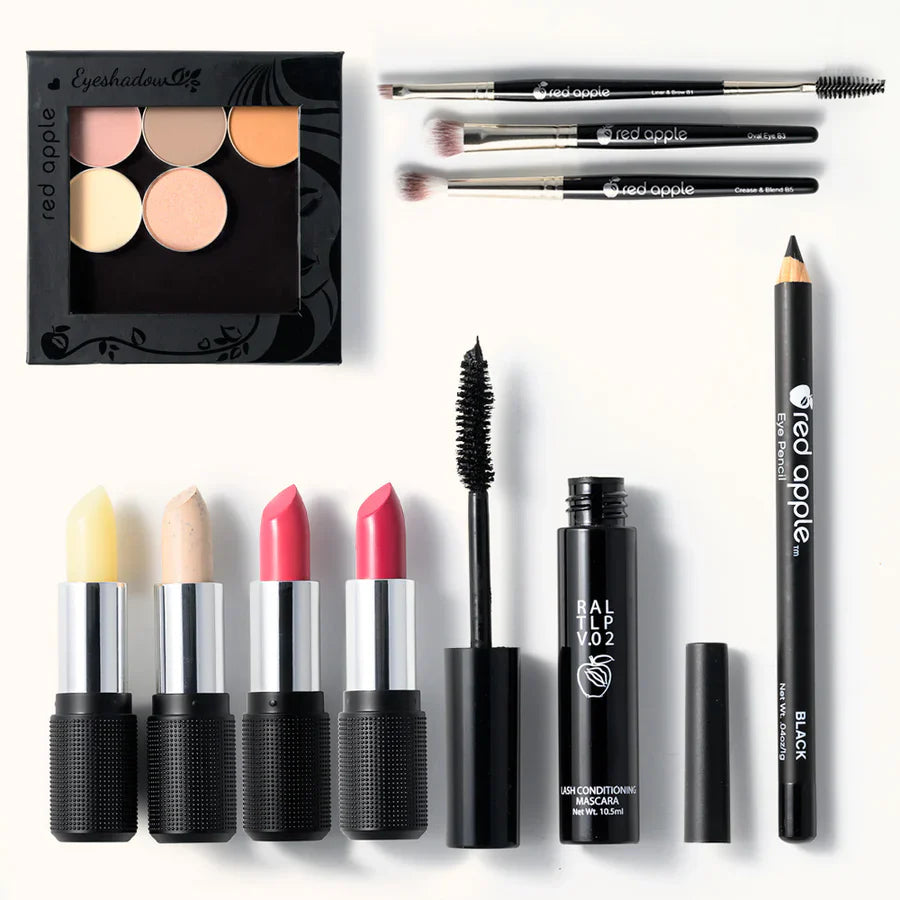
You can start with a lid brush and a blending brush, then add an angled brush if you enjoy shadow liner. If you already own a lid brush but struggle with a noticeable stripe of color, a dedicated blender is a practical next purchase. Our Vegan Crease and Blend Brush has longer, fluffy bristles designed for diffusing edges.
Choose Brushes That Fit Your Eyes and Routine
A brush can feel wonderfully soft and still be too large for the area you want to reach. Compare its working tip with the space where you actually apply makeup. If one light touch covers both your lid and the area above your crease, choose a smaller head for placement.
For mature or textured eyelids
Look for a tip that feels comfortable with light contact. Pat on a small amount of shadow, then soften the perimeter. If your eyelid moves back and forth with the brush, ease your pressure. More rubbing is not a useful substitute for controlled placement.
For hooded eyes or limited lid space
Check placement with your eyes open and your face relaxed. Start with a small amount of color where you want it to remain visible. A compact brush helps with placement; a larger blender can finish the outer edge if it fits that area without spreading color too high.
For a simple makeup bag
Choose by the step you repeat most. One soft wash of color calls for a useful lid brush. A layered look calls for a separate blender. If you mainly want definition near your lashes, an angled brush may earn its place before another lid brush does.
Fast pointers
- Match the brush head to the area you want to reach.
- Choose comfortable bristles and a handle you can hold without gripping tightly.
- Buy the shape that solves your next makeup step before adding duplicates.

Meet Your Three Brush Options
These Red Apple Lipstick picks cover different parts of a routine. Choose according to the task you want to make easier. Open a card to see product details, customer reviews, and current availability.


What Real Customers Are Saying
Softness and everyday usefulness come through in these customer reviews. Both comments appear on the linked product pages and are marked as verified purchases.
"This brush is extremely soft. It is a great addition for blending eye shadow."
Review of the Vegan Crease and Blend Brush.
"Great for brushing brows into shape and the opposite end is great for applying shadow as an eyeliner."
Review of the Vegan Angled Eye Brush.
How To Wear It: Makeup and Outfit Pairings
Your outfit can suggest a mood for your makeup without dictating every shade. Try one of these combinations using colors you already enjoy.
- A relaxed blouse and jeans: Pat a light neutral over your lid, then soften the edge. Keep the finish sheer for an easy daytime look.
- A blazer and simple jewelry: Add a little depth at the outer corner and a fine line of shadow along the upper lashes. Keep the line close to the lashes for understated definition.
- A colorful dress: Try a quiet eye look with a softly blended neutral. Let the dress be the strongest color in the combination if that feels like you.
- An evening outfit: Build depth gradually at the outer lid, then soften the border with a clean brush. A brighter center shade is another option if you enjoy contrast.
Ingredient Love: Brushes and Formulas
A well-chosen brush helps you place makeup, but it does not change what is in your eyeshadow. Brush materials and cosmetic ingredients answer different questions. Check your shadow's own ingredient list whenever you are choosing a formula or avoiding a known sensitivity.
- Read the formula's label: A vegan brush does not tell you whether the eyeshadow used with it is vegan or suitable for your preferences.
- Keep products appropriate for the eye area: The FDA's eye cosmetic safety guidance advises using only cosmetics intended for use near the eyes.
- Pay attention to comfort: The FDA also advises stopping any eye cosmetic that causes irritation and seeking medical advice if irritation persists.
Application Tips for Comfortable, Smooth Results
Work in small stages so you can see what each brush is doing. You can always add another light layer after checking the first.
- Start with clean hands and tools: Use your usual eye makeup preparation and let it settle according to its directions. Check that your brush is clean before it touches your lids.
- Place the lid color: Pick up a little shadow, tap away the excess, and pat it onto the area you want to cover.
- Soften the boundary: Use short, light strokes at the outer edge of the color. Pause and look straight ahead before blending farther.
- Add definition if you want it: Use the narrow edge of an angled brush in small presses along the upper lash line, staying on the skin outside the eye.
- Use damp application selectively: Only dampen a brush when both the brush and eyeshadow directions allow it. Keep the bristles lightly damp rather than dripping, and avoid adding water directly to the makeup container.
How to clean eyeshadow brushes
The American Academy of Dermatology recommends washing makeup brushes every 7 to 10 days. Its guidance also explains how to protect the brush while cleaning it.
Rinse the bristle tips with lukewarm water and gently wash them with shampoo as directed in the AAD guide. Rinse thoroughly, press out moisture with a clean towel, and lay the brushes flat with their tips over the counter edge. Keep the handle and the base of the brush head out of the water, and let the brushes dry completely before storing them.
Removing loose color on a tissue can help between shades, but it does not replace washing. The AAD also advises keeping your brushes for your own use.
Common Mistakes to Avoid
Before replacing your eyeshadow, check the amount of product, the brush size, and your pressure. These small adjustments can make application easier to control.
FAQs
What are the best eyeshadow brushes for beginners?
A compact lid brush and a separate fluffy blending brush make a useful starting pair. Use the first to place color and the second to soften its edges. Add a fine angled brush when you want shadow liner or more precise definition.
Which eyeshadow brushes work best for mature or hooded eyes?
Prioritize comfortable bristles and a head small enough for your intended placement. Check your makeup with your eyes open and relaxed. A larger brush can soften edges, but choose a smaller tool if the larger head spreads color beyond the area you want.
Are expensive eyeshadow brush sets necessary?
No. Start with the shapes your routine uses and assess each brush for comfort, control, and condition after cleaning. A large set has limited value if several brushes repeat the same job or feel awkward on your eyelids.
Can I use a wet/dry brush with any eyeshadow?
Check the eyeshadow's instructions first. A brush being suitable for wet use does not establish that every formula can be applied damp. When both allow it, lightly dampen the bristles and follow the product directions. Otherwise, use the brush dry.
How often should I wash my eyeshadow brushes?
The AAD's general recommendation is every 7 to 10 days. Follow any additional care directions supplied with your brushes. Let them dry fully before storage, and keep your brushes for your own use.
Quick recap
- Choose a compact brush for placement, a fluffy brush for blending, and an angled brush for precise definition.
- Match the brush to your eye area and use light pressure with small amounts of shadow.
- Follow formula directions for damp application and make regular brush washing part of your routine.
Ready to add precise definition? If you already have lid color and blending covered, choose the angled brush for your next step. Its liner tip and brow spoolie give you two useful functions in one tool.
Return to Table of Contents ↑