

What Color Lipstick Makes Teeth Look Whiter? A Shade Guide

A lipstick can look beautiful in the tube and feel quite different once you smile. If you are wondering what color lipstick makes teeth look whiter, a cool red or berry is a sensible starting point. Prefer a softer look? Try a rosy pink, then judge your whole smile in daylight.
You can keep the makeup routine you already enjoy. A little attention to undertone, color depth, and comfortable application can help you choose a lipstick you feel good wearing, whether you are heading to lunch or getting ready for family photos.
Table of Contents
- What Color Lipstick Makes Teeth Look Whiter?
- Choose an Undertone and Depth That Suit You
- Shade Finder: Red, Rose, or Berry
- What Real Customers Are Saying
- How To Wear It: Makeup and Outfit Pairings
- Ingredient Love: What Is Inside Our Tubes
- Application Tips for Comfortable, Smooth Wear
- Common Mistakes to Avoid
- FAQs
What Color Lipstick Makes Teeth Look Whiter?
Cool reds, berries, and violet-leaning plums are useful starting points for a brighter-looking smile. A rosy pink gives you another option when you want less drama. Lipstick changes the color framing your teeth, so the effect depends on the shade and the person wearing it.
There is some research behind this visual effect. In a 2023 study published in Medicine and Pharmacy Reports, 100 observers generally rated teeth as whiter in photographs with red or violet lipstick than with beige lipstick. The photographs featured only four women, so personal comparison remains important.
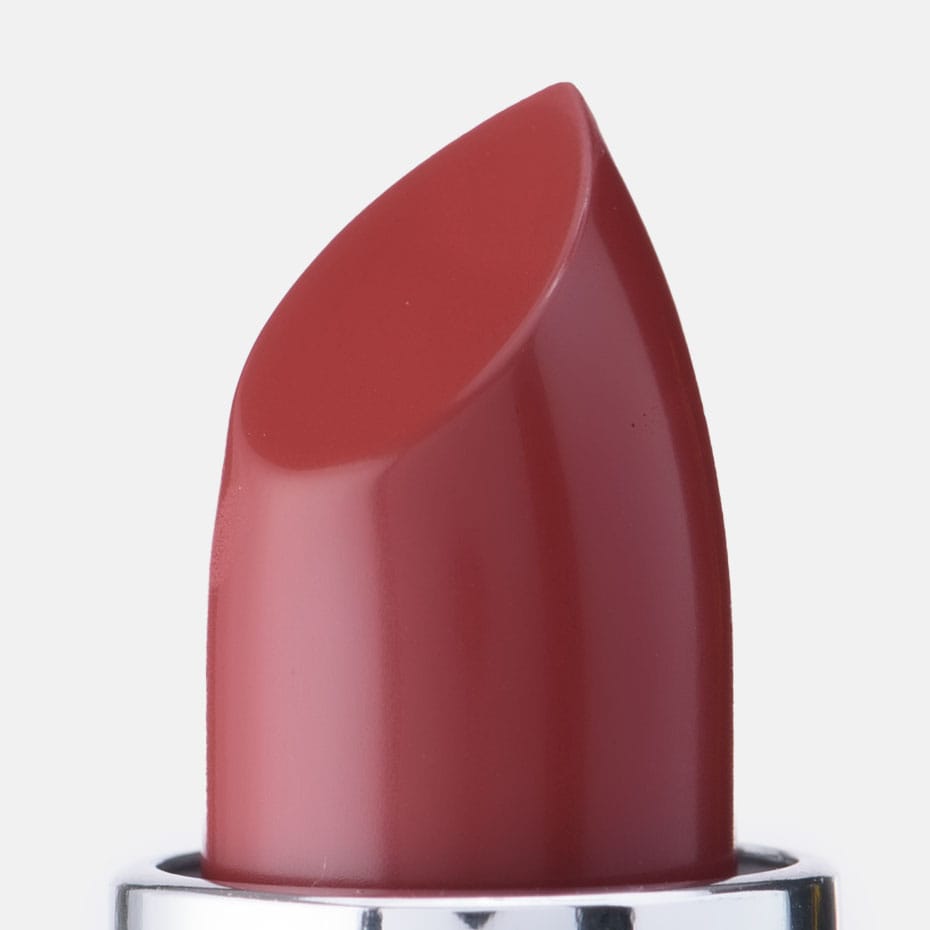
Our practical suggestion is to compare a cool red with your usual lipstick first. Red Apple Red has a bright red color with a soft pink undertone and a creamy formula. You can wear it boldly or apply a light layer for a softer pinkish red. That flexibility gives you room to adjust the look to your comfort level.
Choose an Undertone and Depth That Suit You
Undertone is the subtle color direction within a lipstick. A red can lean toward pink or blue, or toward orange. Pink can look rosy or peachy. Compare swatches within the same color family to make those differences easier to see.
For this makeup goal, begin with the cooler option and see how it looks on you. Warm coral, orange red, and golden beige are worth comparing carefully if your current lipstick seems to emphasize yellow in your smile. You can still wear a favorite warm shade whenever you love the overall result.
Your skin undertone helps guide the choice, but it does not have to limit it. If you have warm or olive skin and a strong berry feels too cool, try a light application of rose. For a deeper complexion or naturally pigmented lips, compare a richer rose or berry with a pale pink before deciding.
Color depth matters to the overall makeup look, too. A pale nude, a medium rose, and a deep plum make very different statements. Start with the depth you already like, then experiment with the undertone. You do not need to jump from barely-there balm to a full dark lip in one step.
Fast Pointers
- For a classic statement: Compare a pink-leaning red with an orange-leaning red.
- For everyday color: Try a medium rose before deciding that every bright shade is too much.
- For a softer finish: Apply a thin layer and reassess before adding more color.
 Return to Table of Contents ↑
Shade Finder: Red, Rose, or Berry
Choose the color family that feels most like you. These picks follow the shade guidance above; the effect on your own smile will vary. Tap a card below to view swatches, full ingredient lists, and customer reviews.


What Real Customers Are Saying
Color is only part of choosing a lipstick you will reach for again. These short excerpts from verified buyer reviews describe how the shades feel during wear.
“Love this color and love how it feels on my lips.”
“It is so creamy and moisturizing.”
How To Wear It: Makeup & Outfit Pairings
- Classic red and simple eyes: Pair Red Apple Red with softly defined lashes, a little blush, and a navy top or your favorite black dress. Keep the eye makeup light when you want the lip color to lead.
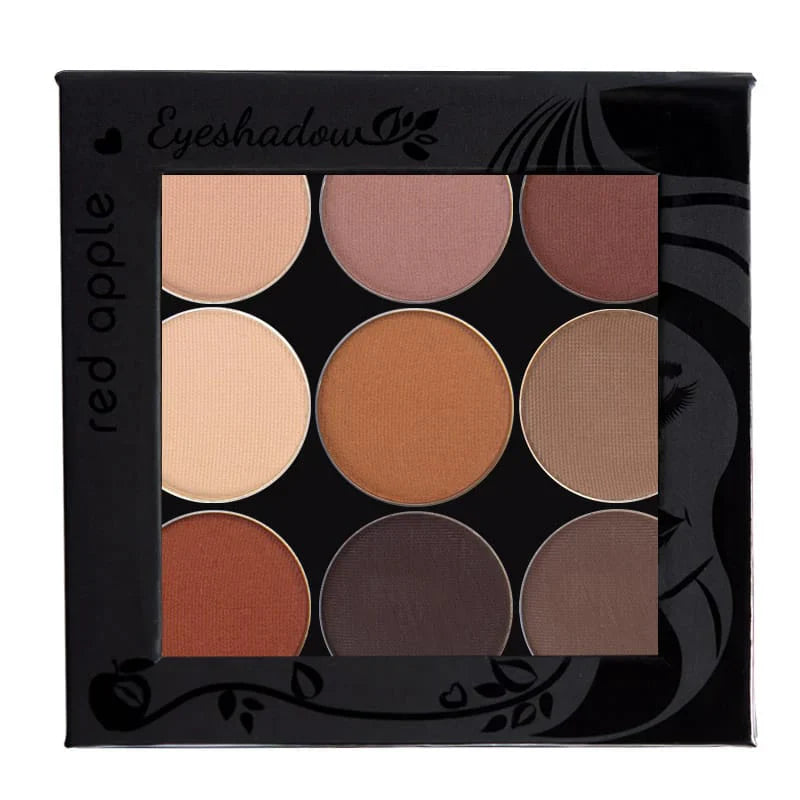
- Rose for an easy daytime look: Wear Flutter with denim, a cream knit, or a floral blouse. Try a gentle wash of taupe on the lids and a blush close to your natural flush.
- Berry for an evening out: Pair Can't Be Beet with charcoal, plum, or navy. Begin with a light coat, then add more only if you want stronger color.
- Your favorite outfit still works: If you enjoy warm prints, gold jewelry, or earthy colors, try them with your chosen lipstick. Use the pairings as ideas, then check the finished look in the lighting where you will wear it.
Ingredient Love: What Is Inside Our Tubes
Our lipsticks use several formulas, so ingredients vary by shade. These three ingredients appear across the range and contribute to the feel of the lipstick. The American Academy of Dermatology includes shea butter and castor seed oil among its recommended ingredients for products used on chapped lips.
- Helianthus Annuus (Sunflower) Seed Oil: Contributes a soft, creamy texture in formulas such as Can't Be Beet.
- Butyrospermum Parkii (Shea) Butter: Adds emollient richness, helping lips feel softer and more comfortable.
- Ricinus Communis: Castor oil contributes smooth slip, helping lipstick glide across the lips during application.
Check the complete list for the shade you choose. For example, Can't Be Beet's formula differs from Red Apple Red's formula. If you avoid sesame oil, sweet almond oil, citrus oils, or scent, review that individual list before buying.
Return to Table of Contents ↑Application Tips for Comfortable, Smooth Wear
- 1. Prepare gently: Start with clean lips and a small amount of a lip balm you already tolerate. Let it settle, then blot away excess so the surface is comfortable without feeling slippery. Avoid picking at flakes or scrubbing sore lips.
- 2. Define and apply lightly: Follow your natural lip outline with a matching liner if you use one. Apply a thin layer of lipstick from the center outward. A clean lip brush can help with the corners and edges, especially when you want careful placement.
- 3. Blot and check your smile: Press a tissue gently between your lips, then add a little more color only where needed. Smile and check for lipstick on your teeth. Remove any transferred color with a clean tissue and blot excess from the inner lip edge.
Comfort should guide the routine. The American Academy of Dermatology advises stopping a lip product if it burns, stings, or feels uncomfortable.
Return to Table of Contents ↑Common Mistakes to Avoid: Troubleshooting
If the first application feels wrong, adjust one thing at a time. Each mistake on the left has a practical fix on the right.
FAQs
What lipstick color should I try if my teeth look yellow?
Start by comparing a cool red or berry with the lipstick you usually wear. If you prefer a softer look, try a rosy pink. Check the result while smiling in consistent daylight. Your own coloring and the amount of lipstick you apply help determine which choice looks best.
Does every red lipstick make teeth look whiter?
No. Reds vary in undertone, depth, and finish, and they look different from person to person. A pink-leaning or blue-based red is a useful starting point. Compare it with an orange-leaning red if you already own one, keeping the lighting and application amount similar.
Can I wear nude lipstick for a brighter-looking smile?
Yes, you can keep a subtle lip look. Try a rosy nude close to your natural lip color and compare it with a beige or peach nude. Choose enough color to give the definition you like. If a very pale shade looks flat on you, try slightly more depth.
Is matte lipstick or a glossy finish better for this look?
There is no single finish that guarantees the effect. Start with a shade you like, then choose a finish that feels comfortable. Try cream or satin if you want an easy starting point. If you add gloss, compare the finished lip again because the overall appearance may change.
Can lipstick actually whiten teeth or remove stains?
No. Lipstick changes the color around your smile without removing tooth stains or changing enamel color. The American Dental Association explains that tooth bleaching uses agents such as hydrogen peroxide or carbamide peroxide. If you want to change your actual tooth shade, ask your dentist about suitable options.
Quick Recap
- Choose a starting shade: Compare a cool red, rose, or berry with your usual lipstick.
- Make it your own: Adjust the depth and amount of color, then check your smile in consistent light.
- Keep wear comfortable: Prepare gently, apply thin layers, and check the ingredient list for your chosen shade.
Ready to try an everyday rose? Start with a light application of Flutter, check your smile, and build the color until it feels right for you.
Return to Table of Contents ↑