

Natural Cosmetics: How to Choose Makeup That Feels Good

If you are shopping for natural cosmetics, you probably want ingredients you understand and makeup you enjoy wearing. But a pretty package cannot tell you whether a lipstick will feel comfortable through lunch or whether its formula suits your particular sensitivities.
You deserve a little clarity before adding another product to your makeup bag. This guide explains what natural cosmetics can mean, how to compare formulas, and how to build an everyday look with comfortable lip color, softly defined eyes, and a touch of blush.
Table of Contents
- What Are Natural Cosmetics?
- Choose Your Formula, Finish, and Undertone
- Choose Your Everyday Makeup Starting Point
- What Real Customers Are Saying
- How To Wear It: Makeup and Outfit Pairings
- Ingredient Love: What Is Inside Our Tubes
- Application Tips For Comfortable, Smooth Wear
- Common Mistakes to Avoid
- FAQs
- Keep Reading
What Are Natural Cosmetics?
The term natural cosmetics commonly refers to makeup featuring ingredients from sources such as plants and minerals. The term alone does not tell you the complete formula, how much of each ingredient is present, or how the product will feel on your skin.
It also cannot promise a reaction-free experience. The FDA explains that an ingredient's origin does not establish its safety. Plant ingredients can cause allergic reactions, too. Reading the complete ingredient list gives you more useful information than relying on the word natural.
Natural, organic, and hypoallergenic describe different things
A naturally sourced ingredient does not automatically make a finished product organic. As the FDA's explanation of organic cosmetic labeling outlines, USDA organic requirements concern qualifying production and labeling standards. Organic is also not a guarantee that a formula will suit everyone.
Similarly, the FDA notes that hypoallergenic has no federal standard or definition. Treat it as a reason to examine the formula more closely, especially if you already know which ingredients you need to avoid.
Red Apple Lipstick uses both naturally derived ingredients and synthetics. Our stated exclusions include gluten, soy, dairy, and peanuts. Formulas differ, so those claims should not be expanded into a promise that every product is free of every allergen.
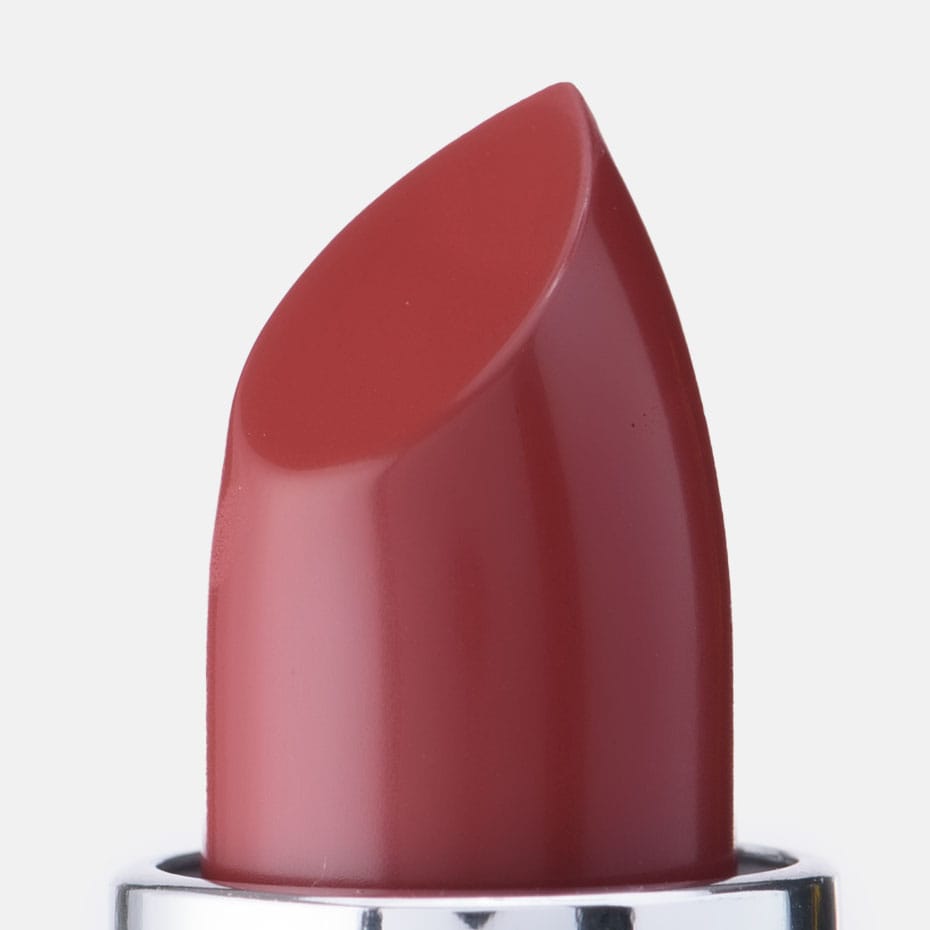
For your everyday routine, a useful starting point is lip color that offers the finish you enjoy in a formula you have checked. Our hydrating lipstick collection lets you browse by color family, undertone, and formula, making it easier to narrow down a shade you will actually wear.
Choose Your Formula, Finish, and Undertone
Start with your ingredient requirements. A beautiful shade will not be a useful purchase if its formula contains something you avoid. Peanut-free, for example, does not mean free of all tree nuts: some listed Red Apple Lipstick formulas include almond oil. Check the exact product and shade, particularly if you have an allergy.
Next, picture the result you want. Would you enjoy a softly tinted lip, a clearly defined rose, or a glossy finishing touch? Natural cosmetics and a natural-looking makeup style are separate ideas. You can care about ingredient choices and still love a rich berry lip.
Use undertone as a starting point for experimentation. Try rose, mauve, or blue-based berry if you prefer cool colors. Try peach, coral, or warm rose if you gravitate toward warmth. If both appeal to you, compare neutral shades. Your taste matters more than following a rigid color rule.
Finally, consider depth. The palest nude is not automatically the most subtle choice. A shade close to your own lip color, with a little more definition, can be an easier everyday option. Compare swatches on a skin tone similar to yours and check the color in daylight when possible.
Fast pointers
- Check the full formula before choosing your favorite shade.
- Choose your preferred amount of pigment and shine.
- Use undertone and your natural lip color to narrow the options.

Choose Your Everyday Makeup Starting Point
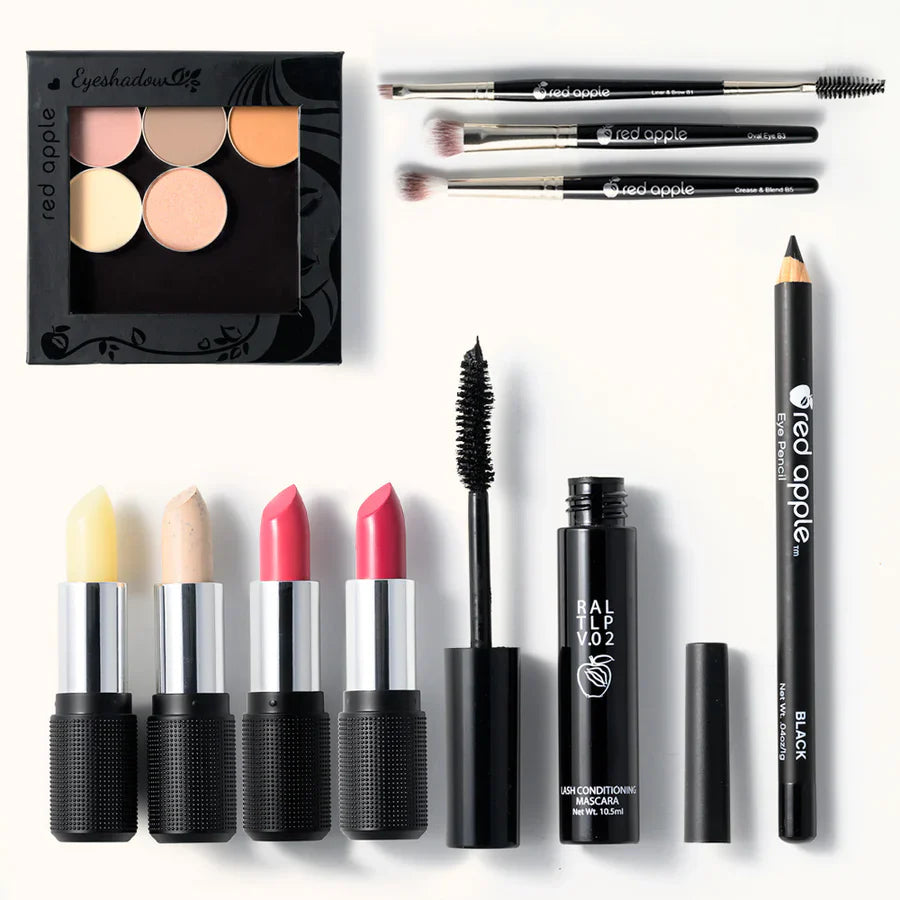
You do not need to replace your whole makeup bag at once. Start with the product you use most. Tap a collection below, then open an individual product to review its shades, ingredients, and customer feedback.


What Real Customers Are Saying
How a product applies matters alongside what is in it. These excerpts come from verified buyer reviews on our product pages and describe individual experiences.
"It went on smoothly. No clumping. No smudging. Made my eyelashes look natural and fuller."
Review of The Lash Project Mascara
How To Wear It: Makeup and Outfit Pairings
Let one feature lead the look, then decide how much more you want to add. These combinations are starting points you can adjust to your wardrobe and mood.
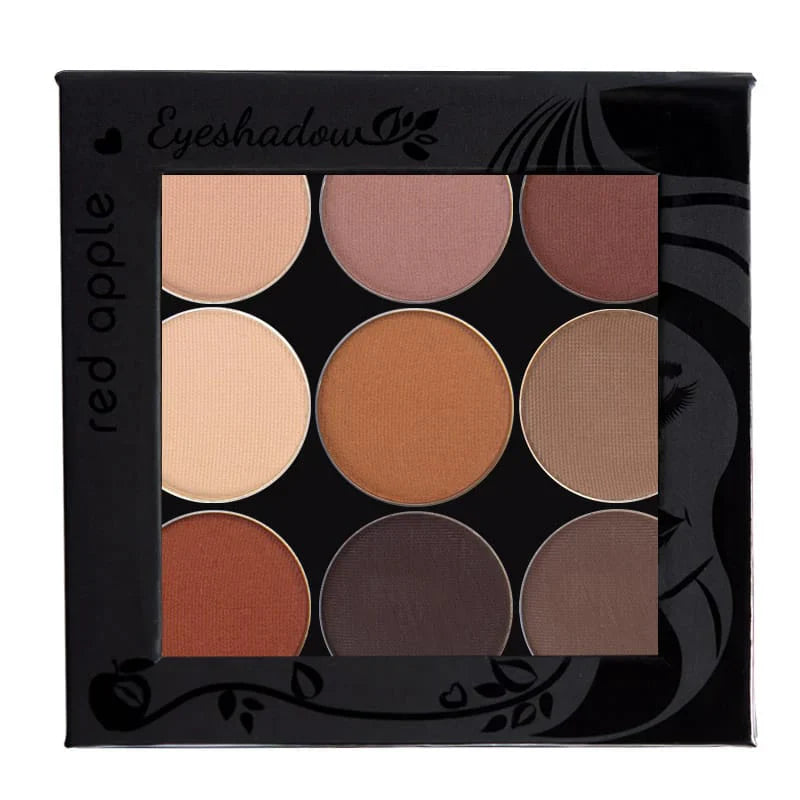
- Denim and a white shirt: Try a rose lip, softly blended neutral eyeshadow, and a light sweep of talc-free blush. Keep the edges diffused for an easy daytime finish.
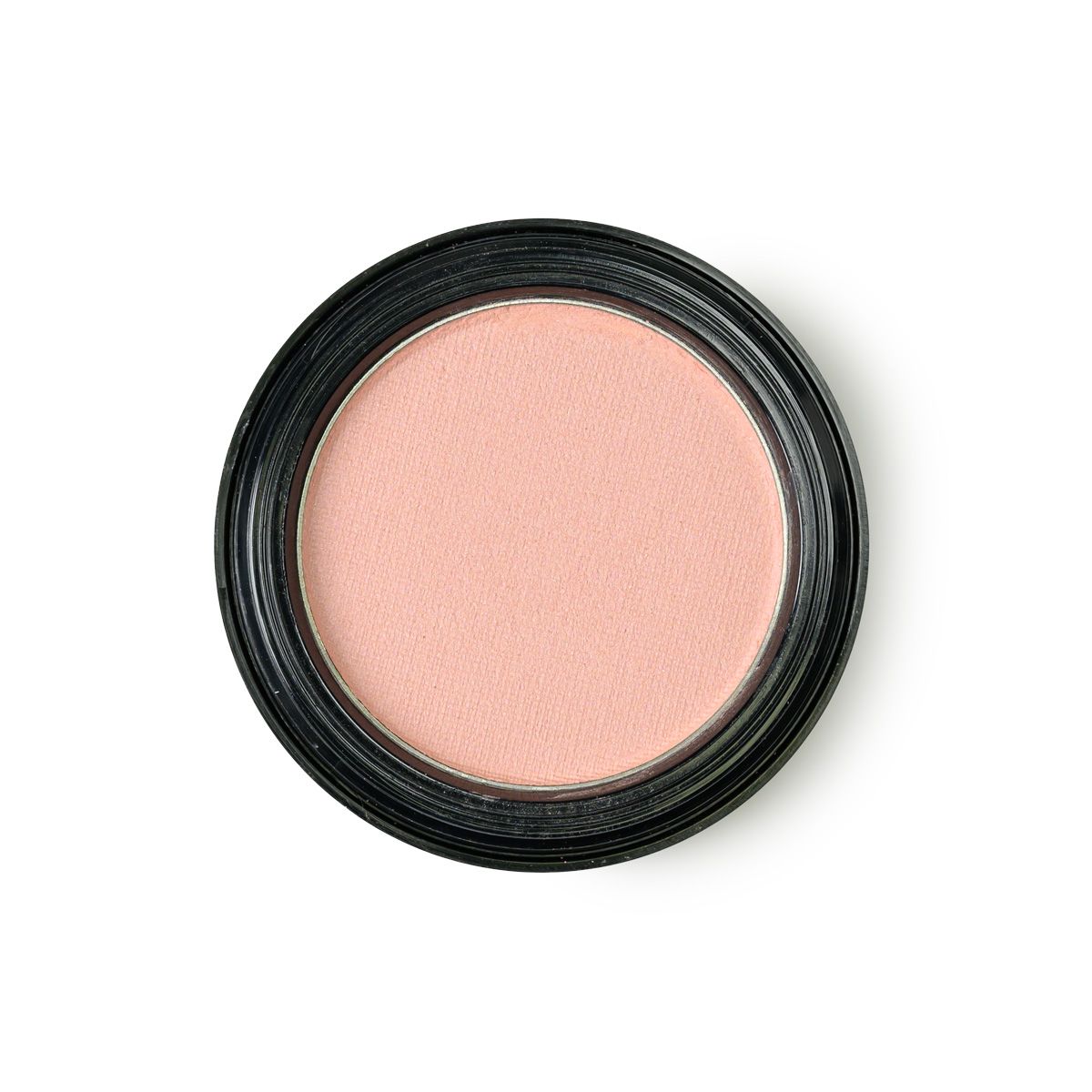
- A cream sweater or linen outfit: Pair a peachy lip with a light application of Sundrop Bronzer around the cheeks and hairline. Its matte finish offers an option when you want warmth without shimmer.
- A navy blazer or workday dress: Choose a defined rose or berry lip. Trace your natural lip shape with a coordinating creamy lip pencil, then soften the line before adding lipstick.
- An evening outfit: Try a richer lip shade with a softly shaded lash line. Keep the rest of the eye simple so you can decide whether the lips or eyes get the most attention.
Ingredient Love: What Is Inside Our Tubes
Our published lipstick formulas include the ingredients below. These examples explain texture and feel; they are not a complete ingredient list for every shade.
- Helianthus Annuus (Sunflower) Seed Oil: Gives several listed lipstick formulas a soft, creamy texture.
- Ricinus Communis (Castor Seed Oil): Helps create the smooth texture described for our Original and Summer Passion lipstick formulas.
- Tocopheryl Acetate: This form of vitamin E contributes to the moisturizing feel described for selected lipstick formulas.
Judge the finished formula as a whole. One familiar plant ingredient cannot tell you everything about a lipstick's feel or suitability. Review the current ingredient list for your chosen shade before buying.
Application Tips For Comfortable, Smooth Wear
A little preparation and a light hand can make your routine easier to control. Begin with products your skin already tolerates, and introduce new additions individually.
- Prepare before adding color: Apply a small amount of Rallye Balm, our fragrance-free lip balm. Let it settle, then blot excess before applying lip color.
- Build lipstick in thin layers: Start at the center and work toward the edges. A vegan lip brush gives you more control around the lip outline. Blot gently and add another thin layer only where you want more color.
- Use a light base for eyeshadow: Apply a thin layer of Prime Time Eye Primer and let it set for about 30 to 60 seconds, following the brand's application guidance on the product page. Then add and blend your eyeshadow gradually.
Comfort is a useful checkpoint. The American Academy of Dermatology advises stopping lip products that burn, sting, or irritate. If your lips remain sore or persistently chapped, seek a dermatologist's advice instead of covering the discomfort with more makeup.
Common Mistakes to Avoid
If your makeup is not sitting the way you hoped, check your preparation and application before adding more product.
FAQs
What should I look for when buying natural cosmetics?
Start with a complete ingredient list and clear information about the exact product. Check your known sensitivities, then compare finish, shade, and application. Treat natural as a starting point for questions, rather than a complete description of the formula.
Are natural cosmetics always better for sensitive skin?
No. Naturally sourced ingredients can still cause reactions. The FDA's guidance on ingredient origins, linked above, explains why the source alone cannot establish safety. Choose according to the complete formula and your individual sensitivities, and stop using a product if it irritates.
Are natural cosmetics the same as organic cosmetics?
No. Natural describes ingredient sourcing in general use, while USDA organic claims involve specific production and labeling requirements. A product with a plant oil is not automatically certified organic. Check the certification and what it covers when organic status matters to you.
Is Red Apple Lipstick completely natural?
Our formulas combine naturally derived ingredients with synthetics. We do not describe every product as completely natural. Use the ingredient information for your selected product and shade to decide whether it meets your preferences.
Can natural cosmetics create a polished look on mature skin?
You can create a polished look with thoughtfully chosen makeup at any age. Focus on the finish you enjoy, comfortable preparation, and controlled application. Try thin layers of lip color, softly blended eyeshadow, and blush added a little at a time.
Quick recap
- Choose natural cosmetics by examining the complete formula, not just the wording on the front.
- Match your ingredient requirements first, then choose your preferred color and finish.
- Start with one everyday product and apply it in light, comfortable layers.
Ready to choose your starting point? Pick a lip color you can picture wearing with your favorite everyday outfit, then review its formula and finish before making it yours.
Return to Table of Contents ↑