

Mold On Lipstick: How To Spot It, Clean It, And Keep Your Collection Safe | Red Apple Lipstick
Mold on lipstick is something many people never think about, yet it matters for both your lips and your overall health. It is not only about how the bullet looks in the tube, but also what you are pressing onto your lips and potentially ingesting.
Knowing how to detect mold in or on a lipstick is incredibly helpful. It is not always easy to identify, and some lipstick changes can look like mold when they are really harmless texture shifts. A little know-how goes a long way.
Mold inside a lipstick is more than an unpleasant sight or smell. It can lead to skin irritation, allergic reactions, and even infections. It is especially important to check lipsticks that have been stored in warm, humid places or kept far past their prime.
If you discover mold and decide it is time to let a tube go, this can also be a chance to treat yourself to a fresh, hydrating formula, like the soft everyday pink Audrey or the warm, wearable red Strawberry Lips.
Table of Contents
- Lipstick mold needs food, moisture, and the right temperature to grow.
- Fuzzy spots are a red flag; smooth waxy dots are usually harmless wax bloom.
- When in doubt about mold, it is safest to replace the tube with a fresh one.
What Causes Lipstick To Mold?
Mold is like an uninvited guest that shows up when conditions are just right. It needs three main things to grow: food, moisture, and a comfortable temperature range.
Food For Lipstick Mold
Mold does not eat your lipstick the way you eat chocolate. Instead, it feeds on tiny particles that collect on the surface over time.
- Dust, airborne particles, and dead skin cells that land on the bullet while you apply.
- Bacteria and skin cells transferred from your own lips when you swipe the lipstick on.
- Organic materials in the formula itself, such as plant butters or fruit pigments.
More and more lipsticks use natural and organic ingredients. That is wonderful for comfort and color, but these ingredients can also act as “food” for mold if the formula is not properly preserved or if the tube is not stored with care.
Food for mold can be introduced from the outside, or it can already be part of the formula.
- The environment: opening a fresh lipstick in a busy public restroom or dusty space can expose it to extra contaminants.
- Your lips and body: using lipstick on unclean lips can transfer bacteria and dead skin cells.
- Organic butters and fruit pigments: these are beautiful ingredients, but in the wrong conditions they can support mold growth.

Moisture
Mold loves damp environments. If you keep your lipstick in a humid space, such as a bathroom filled with steam from hot showers, you are creating a moisture rich environment that mold enjoys.
The Right Temperature
Mold prefers a cozy temperature range, typically between about 60 and 80 degrees Fahrenheit, which is the usual room temperature in many homes. When lipstick experiences frequent temperature changes, such as going from an air conditioned house to a hot car, it can start to “sweat.” Those tiny beads of moisture on the surface give mold exactly what it needs.
Humidity makes this even worse. If your lipstick sits in a steamy bathroom or very damp climate, mold has both warmth and moisture.

Direct Sunlight
Sunlight sounds like it should kill mold, and sometimes it can help. The problem is that direct sun also heats up your lipstick, which makes it sweat and soften. That surface moisture and warmth create a very friendly environment for mold.
Moisture And Sweating Keep Mold Growing
Every time you apply lipstick, it touches your lips and picks up a little bit more moisture. Humid environments provide a constant water source. Sudden temperature changes can cause sweating inside the bullet, pushing moisture to the surface again and again. The more this happens, the shorter the practical life of the product.
How To Identify Mold On Lipstick
Obvious Signs Of Mold Growth
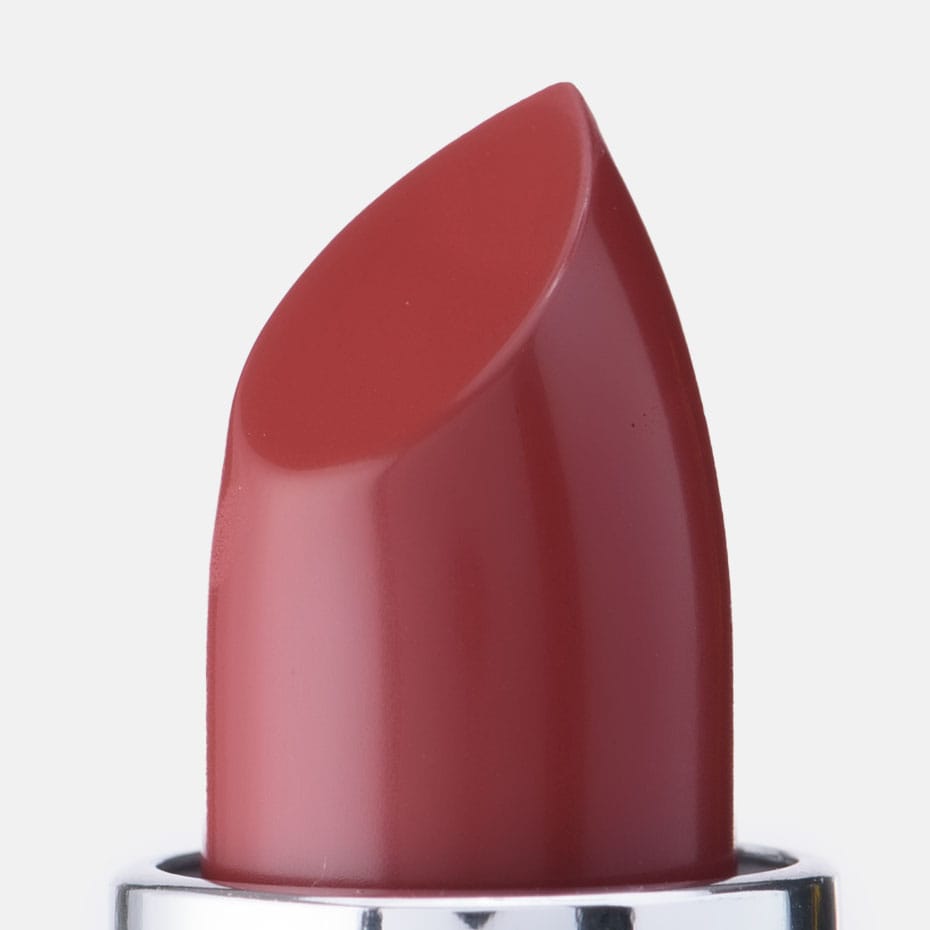
Mold on lipstick usually appears as fuzzy spots on the surface of the bullet. These spots can be green, black, white, gray, or even slightly pink.
Things that are usually not mold:
- Raised bumps without fuzz, which can just be oils pressing out and drying on the outside.
- Small, flat speckles that may be a normal separation of color pigments.

The Difference Between Wax Bloom And Mold
Wax bloom is a harmless phenomenon that can look a little alarming if you have never seen it before. When a lipstick or gloss experiences temperature shifts, some waxes migrate to the surface and crystallize.
Wax bloom usually looks like tiny white or crystal like structures scattered over the surface. It is smooth, not fuzzy, and it does not change the smell of the lipstick. In most cases it can be gently wiped off with a tissue and the product is still fine to use.

Expired Lipstick Versus Mold
Expired lipstick and mold are easy to confuse, because both can involve changes in texture and smell.
- Expired lipstick often smells rancid or like old oil. It may feel dry, draggy, or crumbly, but does not have fuzzy spots.
- Moldy lipstick has a musty or “damp basement” smell. You may see fuzzy spots on the surface or around the edges.
If you are not sure which one you are seeing, treat it as mold and replace the tube. Lips are delicate and not worth risking.
Health Risks Of Using Moldy Lipstick
Potential Skin Reactions And Infections
Using lipstick that contains mold can trigger skin reactions, especially if you are sensitive or allergic. Possible issues include redness, itching, stinging, and rashes around the lips.
If you have cracked or chapped lips, mold can get into those tiny breaks in the skin and contribute to infection. That may look like increased redness, swelling, or little bumps around the lip line.
The Dangers Of Ingesting Mold Spores
Because lipstick is used so close to your mouth, some of it is always swallowed without you realizing it. While many molds are mostly annoying rather than dangerous, some can produce toxins called mycotoxins.
Ingesting mold spores or mycotoxins in higher amounts can contribute to nausea, stomach upset, and other digestive discomfort. People with asthma or known mold allergies can also feel symptoms more quickly than others.

The Icky Effects Of Contaminated Cosmetics
Mold on a lipstick is one example of a contaminated cosmetic. All makeup becomes contaminated over time. Brushes, wands, and pots pick up skin cells and bacteria, and preservatives can only do so much before a product has reached its limit.
If you are allergic to mold, using a moldy lipstick can set off sneezing, runny nose, red eyes, and skin rash. In people with asthma, mold exposure can even help trigger an asthma attack.

How To Prevent Lipstick From Molding
Store Lipsticks In A Cool, Dry Area
Cool, stable storage is one of the best things you can do for your lipsticks. Heat can cause ingredients to break down, separating oils and waxes, and creating conditions that favor mold.
Try to keep your lipsticks:
- In a drawer, organizer, or vanity away from windows and heating vents.
- Out of the bathroom if your shower creates a lot of steam.
- Out of hot cars, beach bags, and direct sunlight.

If you live in a very hot climate, you can store lipstick in the refrigerator. Keep it in a separate cosmetic container so it does not touch food, and let it warm up slightly before application so it glides smoothly.
The Role Of Proper Makeup Hygiene
Good hygiene can dramatically reduce the chance that your lipstick grows mold.
- Start with clean lips and hands whenever you apply any lip product.
- Avoid sharing lipstick directly, especially during cold and flu season.
- Clean the bullet regularly by wiping and sanitizing the surface.
Two simple ways to clean the surface of a bullet lipstick:
- Gently wipe the top layer with a clean tissue.
- Spritz the surface with isopropyl (rubbing) alcohol and let it air dry.
If you want to share color with a friend, you can scrape a little lipstick onto a clean card and have them use a clean lip brush from that card, instead of applying straight from the tube.


Tips For Extending The Shelf Life Of Lipsticks
Here are some simple habits that help your sticks last as long as they should while staying pleasant and safe.
- Clean regularly: Wipe and sanitize the surface if it looks cloudy, dusty, or you have been sick.
- Store smart: Keep lipsticks in a cool, dry place, away from big temperature swings.
- Use clean tools: If you apply with a lip brush, wash the brush regularly.
- Watch for changes: If the color, smell, or texture changes, it is time to toss and replace.
How To Remove Mold From Lipstick
If you spot what looks like a very small amount of surface mold and you are not ready to let go of the tube, you can attempt to clean it. Keep in mind that this is not a guarantee that every mold spore will be removed, and for heavy or recurring mold it is safer to throw the lipstick away.
Using Rubbing Alcohol To Clean The Lipstick
One common method is to disinfect the bullet with isopropyl alcohol (around 70 percent strength).
- Fill a clean cup with enough isopropyl alcohol to fully submerge the bullet.
- Twist the lipstick all the way up so the entire bullet is exposed.
- Dip the lipstick into the alcohol and hold it there for about 15 to 30 seconds.
- Remove the lipstick and let the excess alcohol drip back into the cup.

Depending on how the lipstick was formulated, this process might soften it or even cause it to break. Very delicate, fruit pigmented stains and balms are more likely to fall apart. If that happens, you probably were not going to feel comfortable using it anyway.
Wiping The Outer Layer With A Tissue
After the alcohol bath, you can gently wipe the top layer of the bullet with a clean tissue. The goal is to physically remove any visible mold and the outermost surface that was exposed.

Leave the lipstick uncovered in a clean, dry area so the remaining alcohol can evaporate completely before you recap it.
When To Throw It Away
Cleaning with rubbing alcohol and wiping the surface can help with very light, surface level issues, but it may not remove all spores, especially if mold has spread deeper into the bullet.
- If a musty smell returns after cleaning, toss the lipstick.
- If fuzz or spots reappear, toss it.
- If the lipstick is years old and has changed texture, color, or scent, toss it.
In many cases, the safest choice is simply to say goodbye and treat yourself to a fresh shade like Rebel! or the bright, cheerful Pinkle Twinkle.
The Role Of Lipstick Formulas In Mold Growth
Lip Glosses Versus Lipsticks
When it comes to mold, lip glosses and lipsticks behave a little differently.
- Glosses and liquid lipsticks have more liquid and often more oils, which can make them quicker to spoil if poorly stored.
- Traditional bullet lipsticks, especially matte or semi matte formulas, are usually drier and sometimes a bit less vulnerable.

Liquid lipsticks and glosses spend much of their life lying on their side. As they are used up, the remaining product has a lot of surface area in contact with the air inside the tube, which makes it especially important to store them cool and close them tightly.
The Impact Of Oils And Waxes In Lipsticks
Oils provide slip and shine, but they can also be a source of moisture for mold. Waxes help give lipstick its shape and can form a barrier that protects the formula. Some waxes have mild antimicrobial characteristics, which can help resist mold growth to a point.
The Impact Of Preservatives In Lipsticks
Preservatives in cosmetics are designed to slow or stop the growth of bacteria, yeast, and mold. When used correctly, they create an environment that is hostile to these microorganisms so the product stays stable for its intended shelf life.
Preservatives sometimes get an unfair reputation, but they play an important role in safety. Lipsticks can exist with very light preservation, but these formulas usually have a shorter shelf life and demand extra careful storage.
Frequently Asked Questions (FAQs)
Can mold on lipstick be removed easily?
You can remove a small amount of surface mold by sanitizing with alcohol and wiping away the top layer. However, spores are resilient and can hide deeper in the bullet. If you see more than a tiny patch or the tube smells musty, it is safest to discard it.
What happens if I wear moldy lipstick?
You might notice itching, redness, or burning on and around your lips. If you have any cracks in the skin, mold can help set off an infection. Swallowing small amounts of mold can also upset your stomach, especially if you are sensitive to it.
How can I test if my lipstick is moldy?
Look for fuzzy spots on the surface or around the base of the bullet and smell the product. A musty, earthy, or “old potato” scent is a warning sign. If you see fuzz or smell anything off, do not use it.
How long should I keep a lipstick before replacing it?
Many people replace lipsticks every one to three years, depending on how often they are used and how they are stored. If a tube smells strange, looks different, or has changed texture, it is time to let it go even if that timeframe has not passed yet.
Final Thoughts
Understanding how and why lipstick grows mold helps you keep both your collection and your lips safer. Moldy lipstick can cause irritation, allergies, and other health issues, so it is important to know what to look for and when to say goodbye to a tube.
Thoughtful storage, regular cleaning, and smart hygiene habits go a long way toward preventing mold in the first place. When your lipstick does not look, smell, or feel right, trust your instincts and replace it with a fresh, well formulated shade from a brand you trust, like Red Apple Lipstick.
Back to Table of Contents ↑