

Is Vitamin E (Tocopherol) Gluten-Free in Cosmetics? What Labels Really Mean | Red Apple Lipstick
If you live gluten-free, you have probably asked this at least once: “My makeup says tocopherol or tocopheryl acetate. Is that gluten-free?” The short answer is: the name alone does not tell you the original source, but there are simple ways to shop smarter and feel confident.

Table of Contents
Quick takeaways
- Tocopherol and tocopheryl acetate are common names for forms of vitamin E in skincare and cosmetics.
- The INCI name does not reveal the original plant source, so you may need brand confirmation if you are highly sensitive.
- For lip products, choosing clearly gluten-free formulas helps reduce accidental ingestion risk.
What Are Tocopherol and Tocopheryl Acetate?
Tocopherol is a form of vitamin E. Tocopheryl acetate (sometimes written as tocopherol acetate) is a more stable version often used in topical products because it holds up well in formulas and storage.

Why Gluten-Free Shoppers Get Stuck on Vitamin E
Gluten is a group of proteins found in grains like wheat, rye, and barley. Some cosmetic ingredients can be derived from plant sources, and those sources are not always obvious from the name on the label. That is why “tocopherol” can feel like a mystery ingredient if you are avoiding wheat-derived materials.
Helpful mindset: the ingredient name tells you what it is, but not always where it came from. If your sensitivity is severe, the brand’s standards and testing practices matter more than guessing.

Topical vs Ingested: Why Lip Products Matter Most
When it comes to gluten reactions, exposure typically matters most when gluten is ingested. That is why lip products deserve extra attention: even if you apply them topically, they can end up in your mouth throughout the day.
If you want to be extra cautious, treat lipstick and lip balm like food-adjacent products and choose clearly gluten-free options.

How To Check If “Vitamin E” Is Gluten-Free
1) Look for clear brand standards
- Does the brand explicitly state it is gluten-free, and do they explain how they keep it that way?
- Do they list ingredient standards in plain language, not vague marketing claims?
- Can they answer “What is your tocopherol sourced from?” if you email them?
2) Watch for food-derived ingredients that can hide in INCI names
- Some formulas use grain-derived extracts (for example, wheat or oat ingredients) as texture helpers.
- Even if vitamin E itself is refined, you still want the whole formula to be built for gluten-free use.
3) Check the difference between “gluten-free food rules” and cosmetics
Food labels follow a different set of rules than cosmetics. In the United States, cosmetics are regulated, but most cosmetic ingredients and products do not require premarket approval (color additives are the main exception). That difference can make ingredient transparency feel inconsistent across categories.
For a deeper look at our approach, you can read Red Apple Lipstick’s ingredient standards and see how we keep formulas gentle for sensitive shoppers.
A Safer Shortcut: Choose Brands Built for Gluten-Free
If you are tired of playing ingredient detective, the easiest path is choosing a brand designed from the start for the gluten-free community. Red Apple Lipstick was built with that mission, and our ingredients page outlines what we do and do not use.
Back to Table of Contents ↑FAQs
Does “tocopherol” automatically mean gluten-free?
No. Tocopherol is the ingredient name, not the source label. If you are highly sensitive, the safest move is to choose brands with clear gluten-free standards, or contact the brand and ask about sourcing and testing.
Is tocopheryl acetate different from tocopherol?
Yes. Tocopheryl acetate is a more stable form often used in cosmetics. It is still “vitamin E” on the label, but it is listed under a different INCI name.
If gluten is “topical,” do I need to worry?
With skincare, the bigger concern for many people is irritation or allergy. With lip products, the concern is often accidental ingestion over the day, which is why clearly gluten-free lipstick is a smart choice for strict gluten-free living.
What should I ask a brand about vitamin E?
Ask: (1) what the tocopherol or tocopheryl acetate is derived from, (2) how they prevent cross-contact in manufacturing, and (3) whether they have any gluten-free standards or testing practices.
What are easy “start here” shades if I want to switch to gluten-free lipstick?
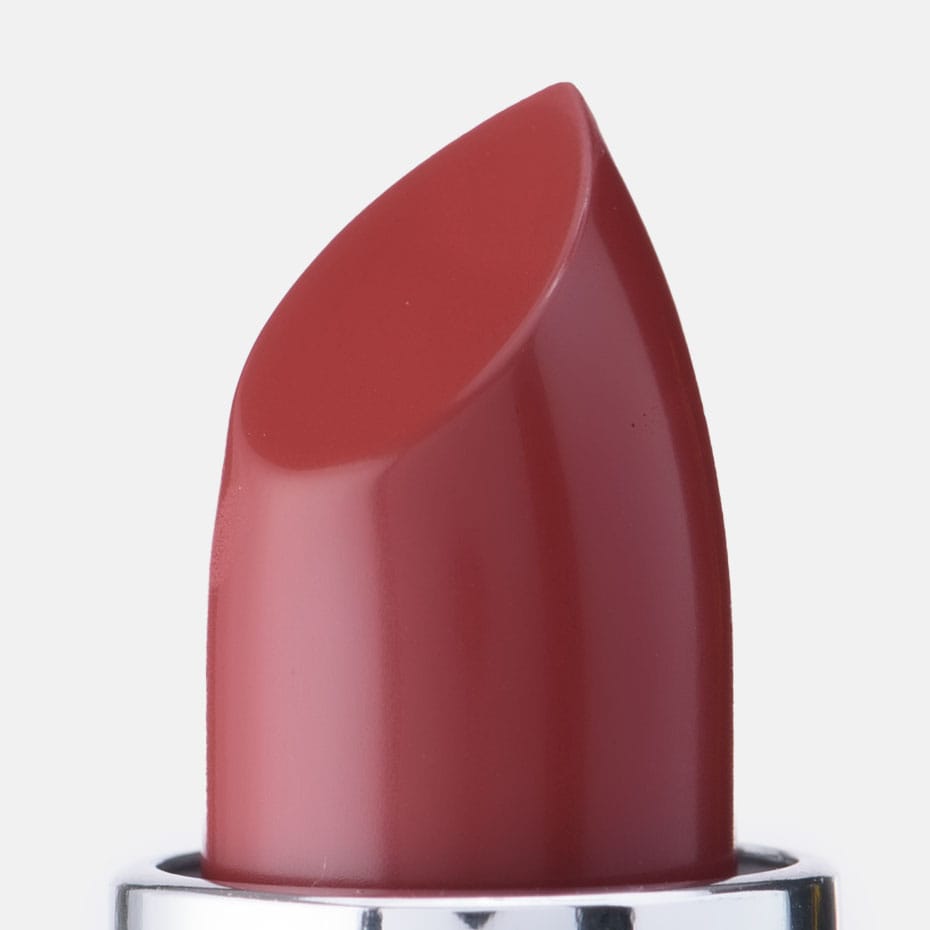
Try a few crowd favorites: Hibiskiss, Can't Be Beet, Maven Mauve, Strawberry Lips, and Risqué!.
Quick recap
- Tocopherol and tocopheryl acetate are common vitamin E label names, but the name does not guarantee the source.
- For lip products, gluten-free standards matter most because of accidental ingestion.
- Choose brands with clear ingredient standards, or ask direct sourcing questions if you are highly sensitive.
 Back to Table of Contents ↑