

Cosmetics Cruelty Free: A Practical Guide to Kind Makeup

If you have searched for cosmetics cruelty free, you already know how quickly a simple goal can turn into a maze of logos, labels, and similar sounding claims. You want makeup that reflects your values, feels comfortable, and still gives you color you enjoy wearing. This guide explains what cruelty-free means, how to check a claim, and how to build a thoughtful routine with Red Apple Lipstick.
Table of Contents
- What Cruelty-Free Cosmetics Really Means
- How to Verify a Cruelty-Free Cosmetics Claim
- Build a Cruelty-Free Makeup Routine That Fits Your Life
- What Real Customers Are Saying
- How To Wear It (Makeup & Outfit Pairings)
- Ingredient Love (What is Inside Our Tubes)
- Application Tips For Comfortable, Smooth Wear
- Common Mistakes to Avoid (Troubleshooting)
- FAQs
What Cruelty-Free Cosmetics Really Means
In everyday beauty language, cruelty-free usually means a company does not conduct or commission new animal testing for its finished products or ingredients. The important detail is scope. A finished product claim may not tell you what ingredient suppliers, laboratories, or manufacturers do, which is why a clearly documented policy and independent certification are more useful than a decorative bunny image alone.
The term also has limits. The U.S. Food and Drug Administration explains that cruelty-free and not tested on animals have no legal definitions in the United States. That makes it especially important to look beyond the front label and check how a brand supports its claim.
Cruelty-free and vegan answer different questions. Cruelty-free concerns animal testing. Vegan concerns whether a formula contains animal-derived ingredients. A product can meet one standard without meeting the other. Red Apple Lipstick is listed in the official Leaping Bunny directory and offers vegan color cosmetics, giving shoppers a clearer starting point when both values matter.
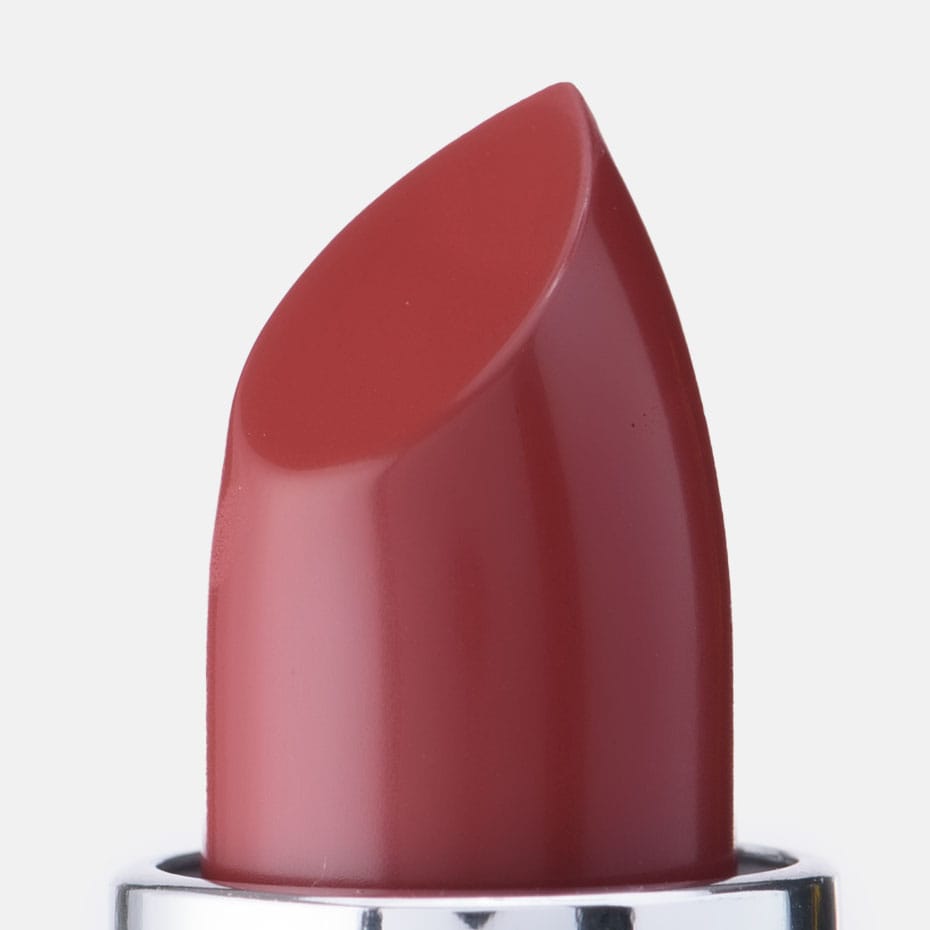
Values still need to meet real life. Comfortable texture, flattering color, and suitability for your personal sensitivities matter too. Red Apple Lipstick's hydrating lipstick collection brings those priorities together with wearable shades made for a more comfortable lip routine.
How to Verify a Cruelty-Free Cosmetics Claim
Start with the exact wording. Does the brand discuss only the finished product, or does its policy cover ingredients, suppliers, manufacturers, and third parties? Phrases such as "we do not test" sound reassuring, but they may not explain whether another organization tests on the company's behalf.
Next, verify any certification in the certifier's own directory. Independent programs set published requirements and give you somewhere outside the brand's website to check the status. Red Apple Lipstick's Leaping Bunny listing is a direct example of that extra layer of verification.
Finally, keep cruelty-free status separate from your other needs. If you avoid specific ingredients, prefer vegan formulas, or have sensitive skin or eyes, review those points individually. A compassionate testing policy is meaningful, but it is not a promise that every person will tolerate every formula.
Fast pointers
- - Verify certification in the certifier's own directory, not only on a product package.
- - Read the scope of the policy, including ingredients, suppliers, manufacturers, and third parties.
- - Recheck before a future purchase because ownership, formulas, and policies can change.

Build a Cruelty-Free Makeup Routine That Fits Your Life
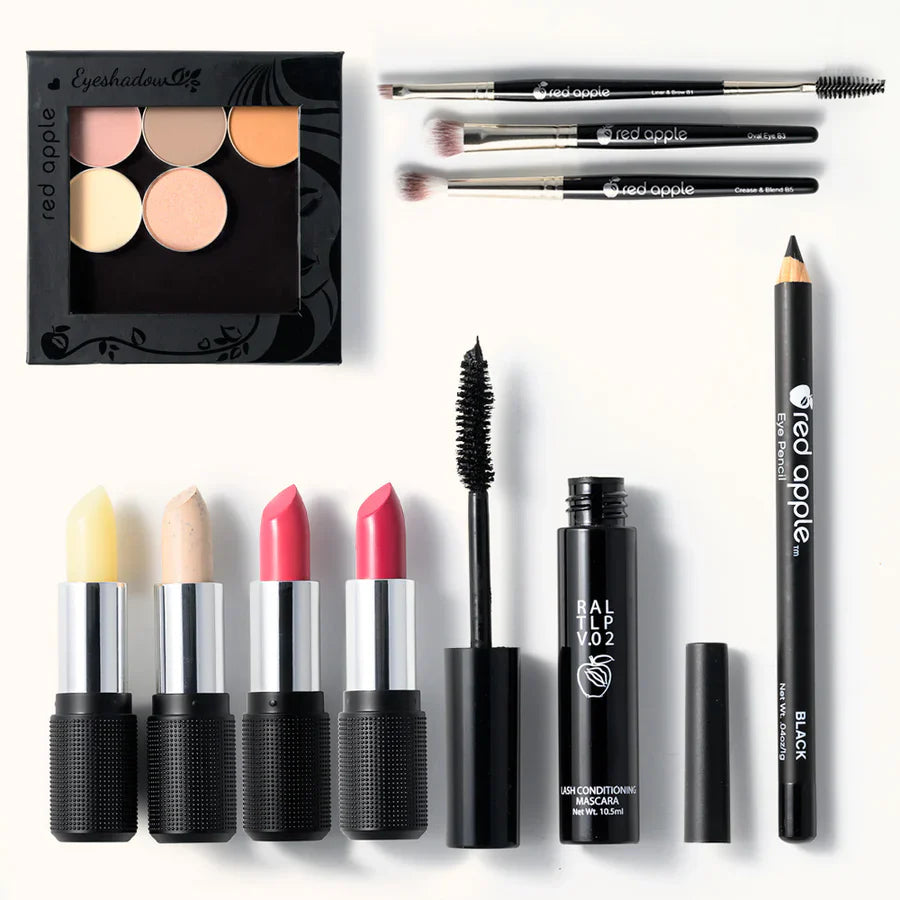
A complete routine does not need to be complicated. Start with the products you use most, replace them as they run out, and choose categories that solve a real need. Tap a card below to explore colors, product details, ingredient information where applicable, and customer reviews.


For lips, combine a creamy lip pencil with lipstick for definition, or add a gluten-free lip gloss when you want extra shine. If choosing two pieces separately feels like guesswork, the Perfect Duos offer coordinated options.
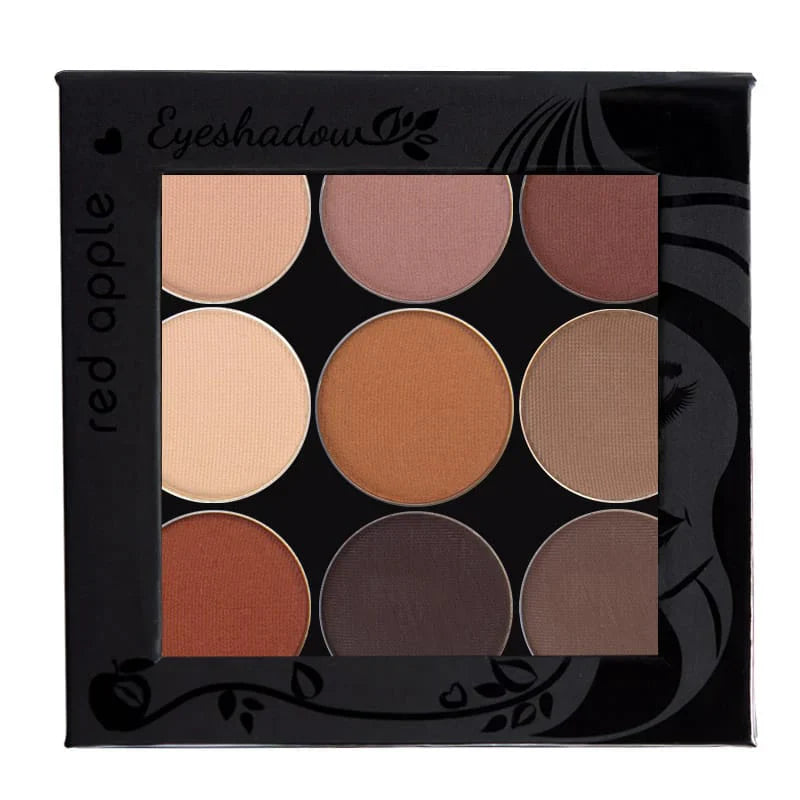
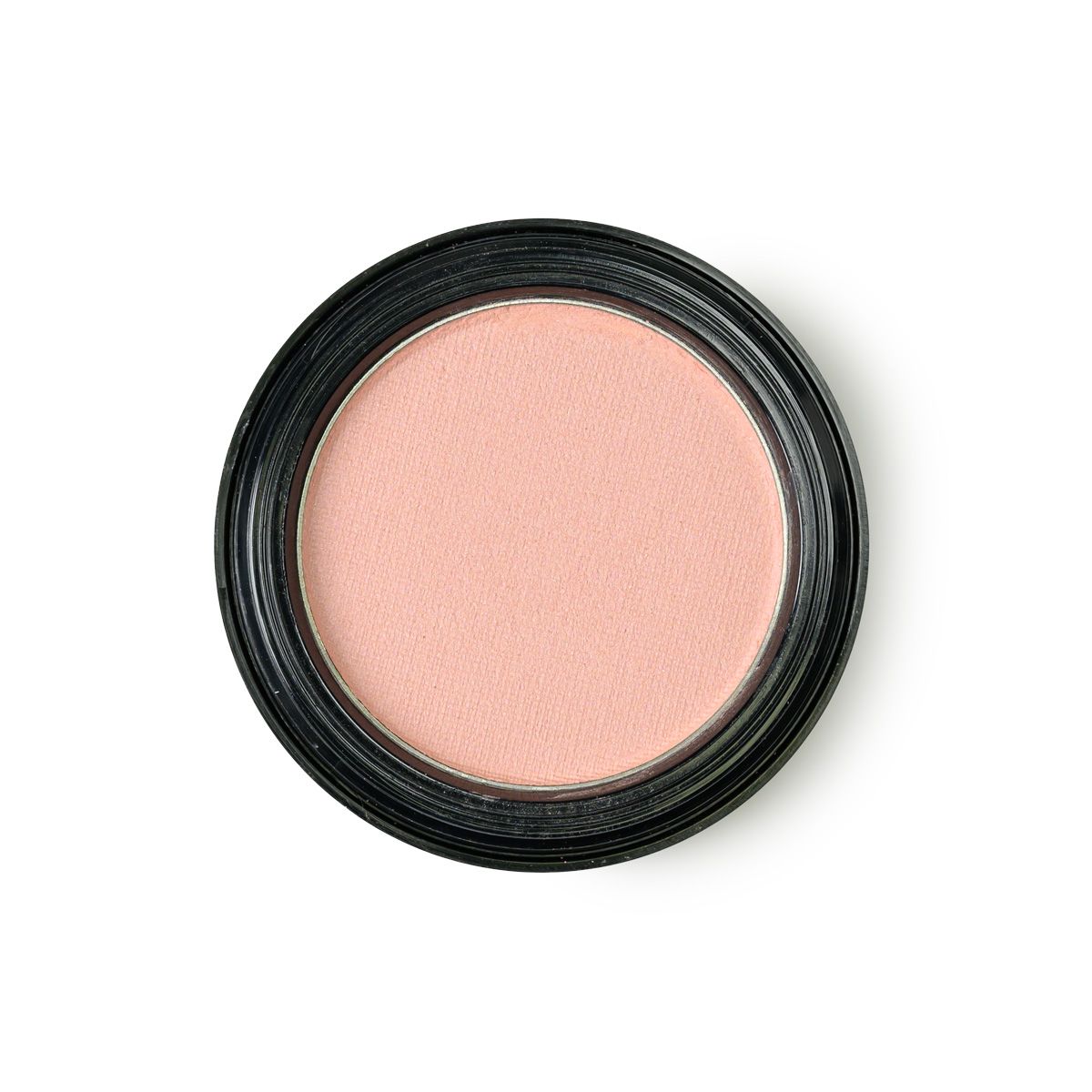
For eyes and cheeks, build in layers. Begin with talc-free eyeshadow, add a gluten-free eyeliner, then finish with The Lash Project Mascara. A soft wash of talc-free blush or Sundrop Bronzer can bring warmth and balance without making the routine feel heavy.
What Real Customers Are Saying
These comments come from verified buyer reviews for the Lip Exfoliate Stick and The Lash Project Mascara. They describe personal experiences, so individual results may vary.
"The exfoliate stick works great in combination with balm. Recommend."
"It does not flake and my eyes do not burn."
How To Wear It (Makeup & Outfit Pairings)
- Soft daytime look: Smooth a very thin layer of Prime Time Eye Primer over clean lids, then sweep on a neutral talc-free shadow. Pair it with denim, cream, navy, or soft gray.
- Defined but comfortable eyes: Place creamy liner close to the lashes and finish with mascara. Brown creates a softer effect, while black adds more contrast for dinner or events.
- Balanced lip color: Trace the lip edge with pencil, apply hydrating lipstick, and press rather than rub the lips together. Add gloss only where you want more dimension.
- Easy color coordination: Let one feature lead. A berry or red lip pairs beautifully with restrained eyes and a simple outfit, while a stronger eye look feels balanced with a softer nude or rose lip.
Ingredient Love (What is Inside Our Tubes)
The lipstick formula supplied for this guide uses the exact ingredient list below. Its oils and waxes shape the feel and structure of the product, while the items listed after "May Contain" allow shade and finish to vary. Always compare the current package label with your personal needs.
- Helianthus Annus (Sunflower) Seed Oil and Butyrospermum Parkii: Help create a smooth base and comfortable glide as color moves across the lips.
- Euphorbia Cerifera (Candelilla) Wax, Synthetic Beeswax, and Copernicia Cerifera (Carnauba) Wax: Give the stick structure and support controlled, even application.
- Tocopheryl Acetate, May Contain: Titanium Dioxide, Manganese Violet, Mica, Iron Oxide: Tocopheryl Acetate supports formula stability and feel, while the listed shade-dependent materials create color and visual finish.
Application Tips For Comfortable, Smooth Wear
- Step 1, smooth only when needed: If lips feel flaky, use the Lip Exfoliate Stick gently as directed, then remove any loose residue.
- Step 2, add a light comfort layer: Apply a small amount of Rallye Balm, give it time to settle, and blot excess before color so lipstick can grip evenly.
- Step 3, place color precisely: Apply lipstick in thin passes and use the Vegan Lip Brush around the cupid's bow and corners for a clean edge.
Common Mistakes to Avoid (Troubleshooting)
Use the paired cards below as a quick reality check. Each mistake appears on the left, followed by its practical fix on the right.
FAQs
What does cruelty-free mean in cosmetics?
It generally means a company does not use new animal testing for the product, but the exact scope can vary. Because the FDA says the term has no legal definition in the United States, check whether the policy includes ingredients, suppliers, manufacturers, and testing performed by third parties.
Is cruelty-free makeup always vegan?
No. Cruelty-free describes a testing policy, while vegan describes ingredient origin. A product may be cruelty-free but contain an animal-derived ingredient, or it may use no animal-derived ingredients without having independent cruelty-free certification. Check both claims when both matter to you.
How can I tell if a cosmetics brand is truly cruelty-free?
Start with independent certification, verify the company in the certifier's directory, and read the testing policy for its supply chain scope. Be cautious when the only proof is an unverified logo or a statement limited to the finished product.
Are Red Apple Lipstick cosmetics cruelty-free?
Yes. Red Apple Lipstick appears in the Leaping Bunny certified brand directory. The brand also identifies its makeup as vegan, which addresses a separate concern about animal-derived ingredients.
Can cruelty-free cosmetics still irritate sensitive skin?
Yes. A cruelty-free claim describes animal testing, not whether a formula is suitable for every person. The American Academy of Dermatology recommends testing a new skin care product on a small area twice daily for seven to 10 days before broader use. Follow product directions, stop using anything that causes a reaction, and consult a dermatologist when symptoms are severe or persistent.
Quick recap
- - Cruelty-free has no single legal definition in the United States, so the evidence behind the claim matters.
- - Independent certification and a supply-chain policy give you more useful information than a bunny graphic alone.
- - Check cruelty-free status, vegan status, ingredients, comfort, and color as separate parts of a confident purchase.