
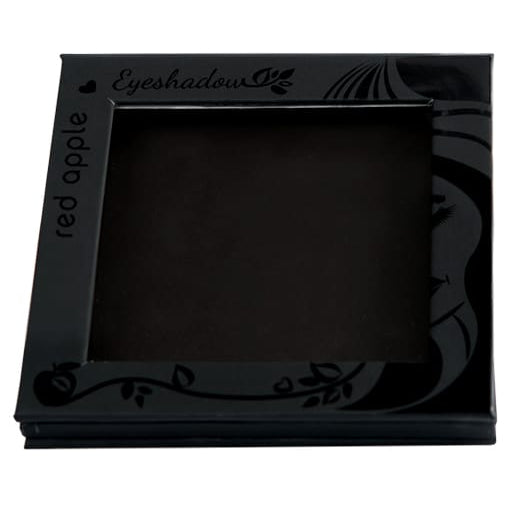

Best Makeup Line for Sensitive Skin | Red Apple Lipstick
If you want the best makeup line for sensitive skin that still feels fun and flattering, Red Apple Lipstick keeps things gentle with hydrating lip formulas and talc-free color for eyes and cheeks. Below you’ll find ingredient notes, expert tips, community insights, and easy product picks.
Table of Contents
Why Red Apple Lipstick Works For Sensitive Skin
Our focus is comfort first. Lip products are crafted with skin-loving oils and butters for slip and moisture, while shadow and blush are crafted without talc for a smoother, more delicate feel. When you’re comparing brands, check the ingredient list and texture. If your skin tends to react, simpler, soothing formulas often feel best.
- Hydrating lip color powered by Sunflower Seed Oil, Castor Seed Oil, Jojoba, Shea Butter, and Vitamin E.
- Talc-free options for eyes and cheeks to keep fall-out and dryness in check.
- Thoughtful textures that look polished on dry or reactive skin.
Explore ingredients in more detail on our Ingredients page, then browse Eyes and Talc-Free Blush collections for soothing color choices.
Back to Table of Contents ↑Ingredient Standards That Love Your Skin
Here are the ingredient families you’ll see across Red Apple Lipstick formulas. They’re chosen to feel comfy, smooth, and friendly to sensitive complexions.
- Moisturizers and conditioners: Sunflower Seed Oil, Castor Seed Oil, Jojoba Seed Oil, Shea Butter, Aloe.
- Plant-based structure: Candelilla and Carnauba Waxes with supportive waxes like Ozokerite or Synthetic Beeswax for glide and shape.
- Silky feel and blend: Silica and Zinc Stearate in select powders for smooth payoff.
- Antioxidant care: Tocopheryl Acetate (Vitamin E).
- Color you control: Talc-free shadow and blush options designed to build softly.
Full ingredient details live on our Ingredients page so you can shop with confidence.
Back to Table of Contents ↑Expert-Backed Habits To Reduce Reactions
Smart habits make a big difference when you have sensitive skin. Dermatologists recommend patch testing new products before full use. The American Academy of Dermatology explains how to test skin care products for 7–10 days on a small area to check for reactions.
If fragrance is a concern, the FDA’s page on fragrances in cosmetics clarifies that “fragrance” can refer to many ingredients and encourages reading labels carefully. For background on how sensitive or eczematous skin can react to triggers, the AAD notes that what touches your skin can cause flare-ups and that triggers vary by person, which is why detective-style avoidance and testing help (see AAD guidance on triggers and treatment).
- Introduce one new product at a time and patch test first.
- Keep layers light. Thin, buildable passes tend to feel better than heavy applications.
- Note any personal triggers and keep a quick log on days you test something new.
Community Insights: What Sensitive-Skin Shoppers Say
We keep an eye on beauty forums to learn what’s working for real people with reactive skin. Here are paraphrased remarks we see often:
- One Reddit user shared that talc-free shadows feel less drying on their lids and are easier to blend without fallout.
- Another commenter mentioned that a thin layer of balm under lipstick keeps lips comfortable for hours.
- We’ve seen several people say they avoid chunky glitter when eyes water easily, preferring soft satin or matte textures.
- Some shoppers look for moisturizing oils like jojoba or shea in lip formulas when flakes are a problem.
Build Your Sensitive-Skin Makeup Kit
Lip Care That Cushions
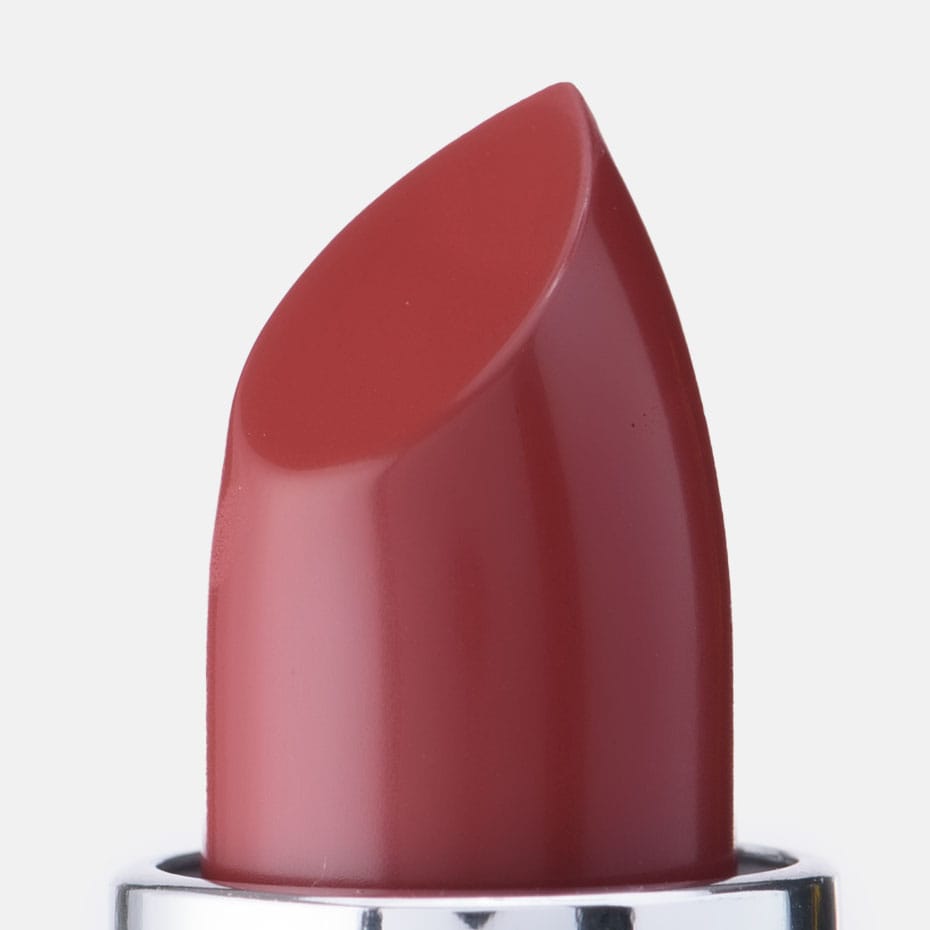
Prep with a soothing balm, then add a creamy lipstick or gloss. Hydrating oils and Vitamin E help lips feel smooth and flexible.

Talc-Free Eyes That Feel Soft
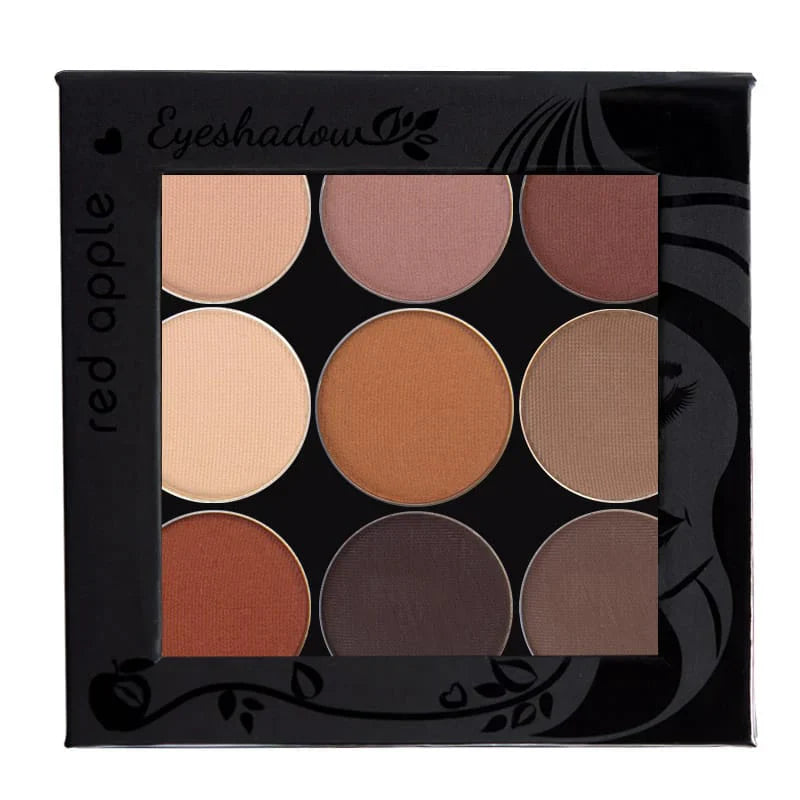
Choose smooth mattes and satins for comfort. Start with a light base shade, add a soft crease tone, and finish with gentle definition at the lash line.

Cheeks With A Cushiony Flush
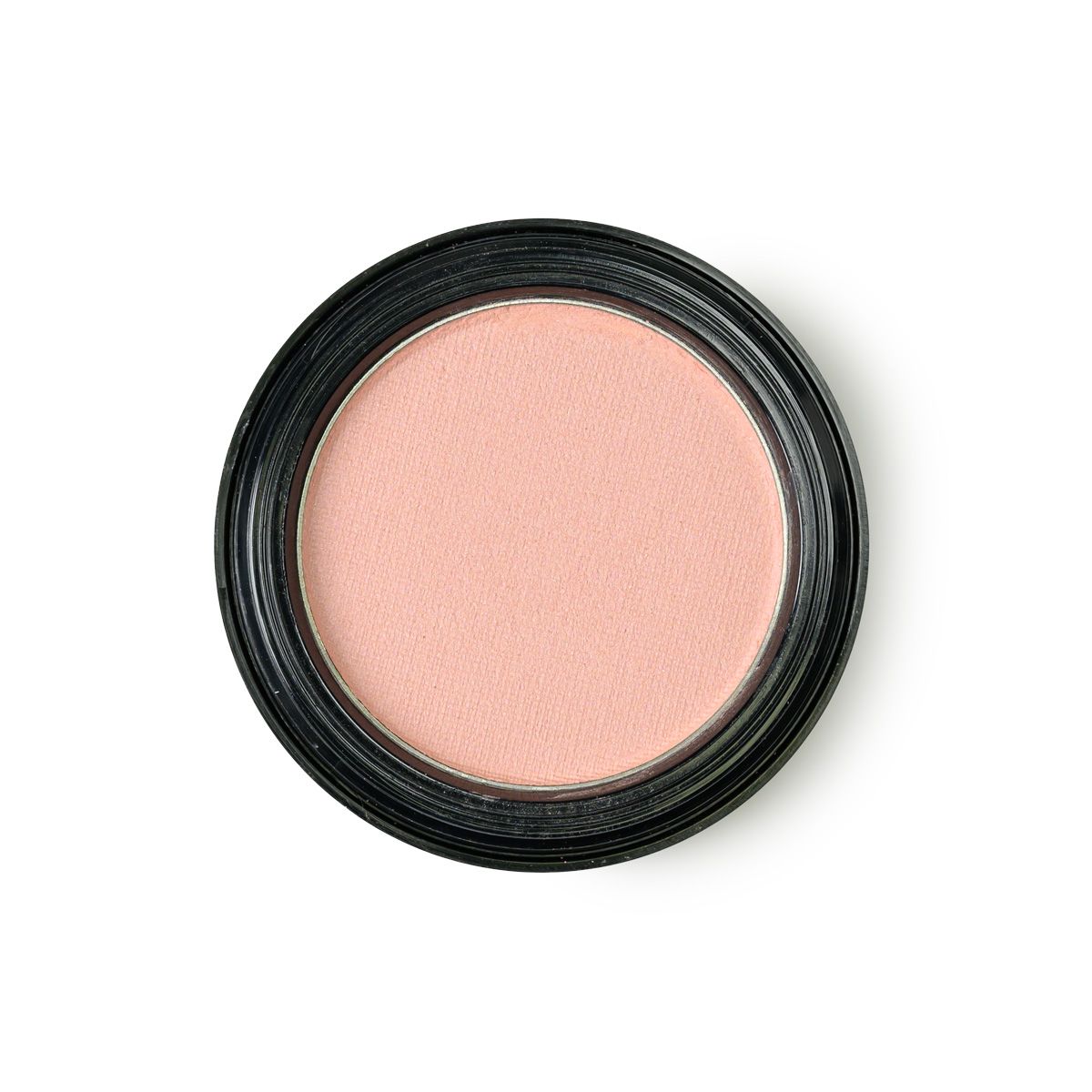
Reach for talc-free blush that builds gradually. A soft peach or rose usually plays nicely with most complexions.

Helpful Tools And Cases
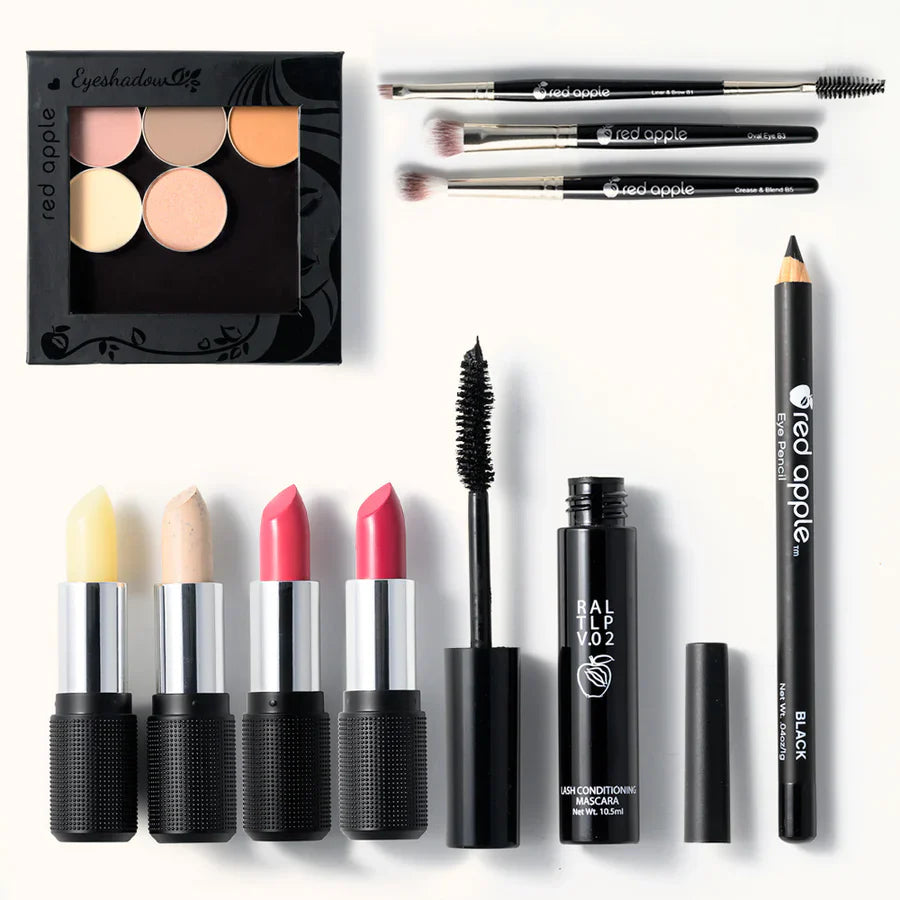
Gentle brushes and tidy organizers keep application light and precise, which your skin will appreciate.

Bullet Summary
- Best makeup line for sensitive skin means hydrating lips and talc-free color for eyes and cheeks.
- Look for Sunflower, Castor, Jojoba, Shea, plant waxes, and Vitamin E for comfort.
- Patch test, add products slowly, and keep layers thin for a calmer routine.
FAQs
What makes Red Apple Lipstick a great fit for sensitive skin?
Comfort-minded ingredients like Sunflower Seed Oil, Castor Seed Oil, Jojoba, Shea Butter, and Vitamin E help products feel cushioned. For eyes and cheeks, you’ll find talc-free options designed for smooth payoff. Review each product’s list on our Ingredients page.
How do I safely try a new lipstick, shadow, or blush?
Introduce one product at a time and patch test first. The American Academy of Dermatology outlines a simple method to test a small area for 7–10 days before full use.
Should I avoid fragrances altogether?
Sensitivity varies. The FDA explains how fragrances are listed and regulated, which can help you read labels and decide what’s right for you.
Can sensitive skin wear blush without irritation?
Yes. Many people do well with talc-free, buildable formulas. Start with a small amount, use a soft brush, and stop if your skin feels warm or itchy.
Where can I learn more about cosmetic reactions?
For plain-language medical background on contact dermatitis, MedlinePlus covers causes and symptoms. Use that info to discuss patterns with your clinician if needed.