

Can I Wear Makeup With Hives? A Practical, Sensitive-Skin Guide | Red Apple Lipstick
Disclaimer: This post is for educational purposes only and is not medical advice. If you have severe symptoms, swelling, trouble breathing, or a reaction that is worsening, seek medical care right away and consult a healthcare professional for personal guidance.
If you've experienced hives on your face, you already know the double-whammy: they can feel miserable, and they can make you feel self-conscious. So the big question becomes: can you wear makeup with hives?
Quick answer: Sometimes yes, sometimes no. It depends on what caused the hives, how fresh the flare is, and whether your products could make it worse.
- If hives just appeared or are hot, swollen, or spreading, skipping makeup is usually the kindest choice.
- If you must wear makeup, keep it minimal, patch test, and avoid known irritants like fragrance and harsh alcohols.
- When in doubt, lean on a simple lip-and-eye look and keep the hive area bare.
Table of Contents
Unraveling Hives: Your Skin’s Alarm System
Hives are your body’s “red alert” response. They often show up as raised welts that can itch, sting, or feel tight. Sometimes they’re red and obvious; other times they match your skin tone and still feel irritated.

The science behind the itch
When your body senses an “invader,” it can release histamines. That reaction can create swelling, redness, and itching. The important part for makeup: your skin barrier is already stressed, so even products that normally feel fine can suddenly sting or worsen the reaction.
The Two Types of Skin Reactions
There are two common pathways behind facial hives-like reactions:
- Irritant contact dermatitis: your skin reacts to a harsh substance (think detergents, strong soaps, or acids). You may notice redness, dryness, flaking, or burning.
- Allergic contact dermatitis: your immune system reacts to a specific ingredient, even in small amounts. If you want a clinical overview, you can read more from board-certified dermatologist Jennifer Mancuso.
Is it possible to be allergic to makeup?
Yes. Makeup allergies are real, and reactions can appear even if you have used a product before. If your skin is sensitive, choose simpler formulas and consider sticking with a gentle brand like Red Apple Lipstick, especially for lip and eye products that sit on delicate areas.

Why do triggering ingredients still exist?
Not everyone reacts to the same ingredients, so many brands keep using them. Reformulating can also take time and money, and some formulas do not perform the same after changes. That is why it helps to know your triggers and keep a shortlist of “safe” go-to products.
Common Ingredients That May Trigger Hives
Everyone’s skin is different, but these are frequent troublemakers for reactive skin:

- Fragrance
- Drying alcohols
- Essential oils
- Mineral oil or petrolatum (for some people)
- Phthalates
- Parabens
- Talc
- Preservatives that do not agree with your skin
- Formaldehyde or formaldehyde-releasing preservatives
- Gluten (if you are sensitive)
When to Skip Makeup
If your hives are new, painful, spreading, or you are not sure what triggered them, skipping makeup for a short window is often best. Let your skin calm down and focus on soothing care.
- Skip makeup if the area feels hot, raw, or is actively swelling.
- Skip makeup if you suspect your current makeup caused the reaction.
- See a professional if symptoms are severe, persistent, or worsening.
If your hives are from something like a food allergy and the skin on your face is otherwise calm, you may be able to continue makeup cautiously. Keep your routine simpler than normal and avoid experimenting with new products.
If You Must Wear Makeup: A Gentle Plan
If you genuinely need to look put-together before the hives fully clear, the goal is to minimize contact with the irritated area and keep everything else comfortable.
1) Keep the hive area as bare as possible
Instead of covering every spot, try shifting attention. A soft lip and defined lashes can do a lot without rubbing products into a reactive patch.
2) Prep lips first (easy win)
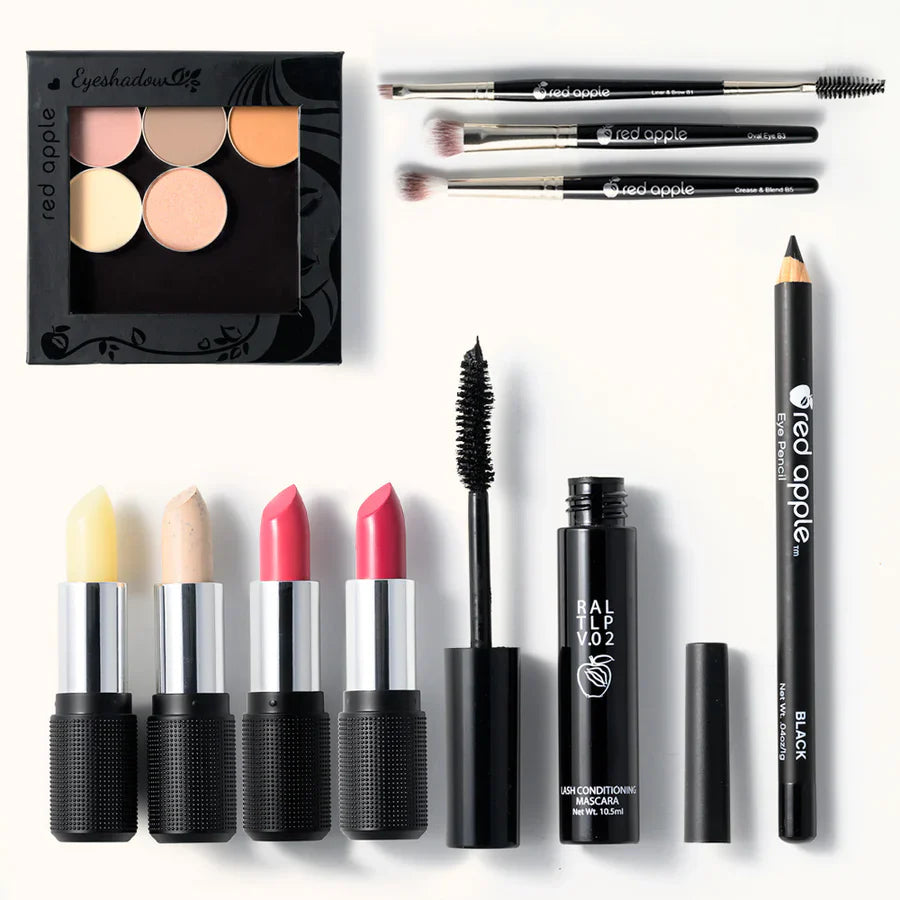
Comfort matters when your skin is stressed. Start with a quick smoothing step using the Lip Exfoliate Stick, then cushion with Rallye Balm. For precise, gentle application, use a clean vegan lip brush.
3) Add color in thin layers
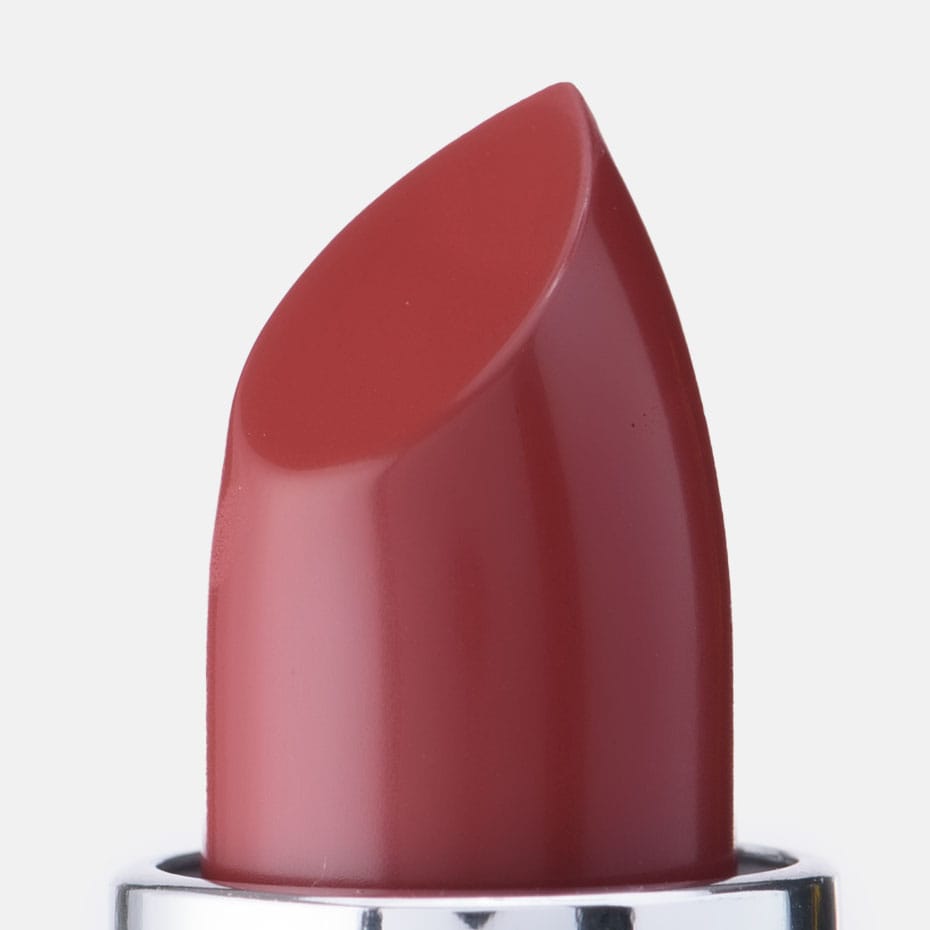
Choose a comfortable formula from Hydrating Lipstick or a softer shine from Gluten-Free Lip Gloss. If you want extra definition, lightly outline with a lip liner and keep the edge softly blended.
If you love ready-made pairings, explore Perfect Duos for coordinated shades that look polished with minimal effort.
4) If your eyes are not affected, keep eye makeup simple
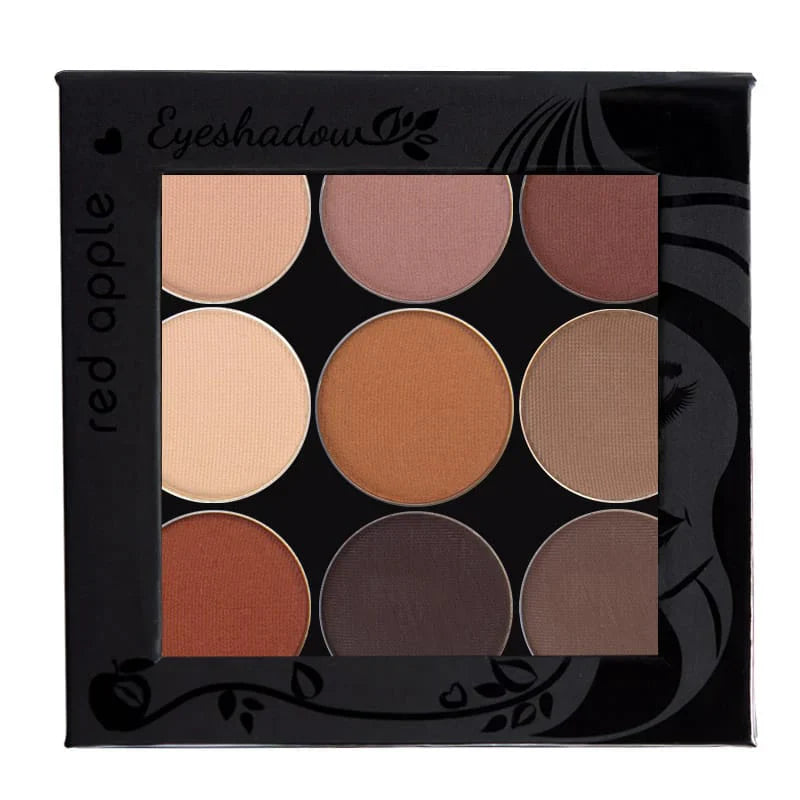
Stick with your gentlest staples: start with Prime Time Eye Primer, then sweep a neutral from talc-free eyeshadows or build your own set with Customize Your Eye Shadow Palette. Finish with definition from gluten-free eye liner and lashes with Lash Project Mascara.
For the gentlest application, use clean tools from Vegan Makeup Brushes.
5) Add warmth carefully (only if cheeks are calm)
If the hive area is not on your cheeks, a light touch of color can help you look more awake. Choose from talc-free blush, or add a soft glow with Sun Drop Bronzer. Apply with a clean vegan blush brush to avoid rubbing and irritation.
Try a Patch Test (Seriously)
Yes, it is annoying. It also saves you from making a flare worse. Patch test any “new to you” product on a small area (like the inner arm) and wait to see how your skin responds before putting it on your face.

FAQs
Can you cover hives with makeup?
Sometimes, but it depends on what caused the hives and how sensitive the skin feels right now. If you do cover them, avoid known irritants (especially fragrance), use minimal product, and stop immediately if the area stings or worsens.
Is it bad to put makeup over an allergic reaction?
It can be. When skin is actively reacting, it often needs time to calm down. Makeup can trap heat, add friction during application, or introduce ingredients that intensify irritation. If the reaction is fresh or spreading, skipping makeup is usually the safer choice.
Is it safe to apply makeup over rashes?
If the rash is mild and not worsening, some people can use gentle products carefully. If you are unsure, keep the area bare and focus on features that are not affected, like lips and eyes. If the rash persists or is severe, consult a dermatologist.
Can makeup irritate a rash?
Yes. Fragrance, drying alcohols, and heavily scented or complex formulas are common triggers. Even “normally fine” products can feel irritating when your skin barrier is stressed.
Does makeup irritate hives?
It can, especially in the first few days. If your skin feels hot, tight, or itchy, give it a break. When you return to makeup, reintroduce products slowly and patch test first.
Quick recap
- New or severe hives: skip makeup and prioritize calming care.
- If you must wear makeup: keep it minimal, avoid common irritants, and patch test.
- When covering feels risky: lean on gentle lip and eye looks and keep the hive area bare.