

How Long Does Lipstick Last? Mold On Lipstick, Expired Lipstick Signs And Hygiene Tips
Peek into almost any makeup bag and you will probably find a few lipsticks that have been there for years. Shopping sprees, impulse buys, and freebies all add up, and it gets hard to tell which favorites are still safe to swipe on.
In the United States, most cosmetics are not required to list a clear use by date. That makes it tricky to know when a tube has quietly passed its prime. The truth is that every beauty product has a lifespan, and once you open it, the clock starts ticking.
Lipsticks, glosses, and lip crayons are made of oils, waxes, pigments, and emollients that dislike heat and humidity. Over time they can dry out, separate, smell off, and eventually grow mold. The better you care for them, the longer they feel creamy, comfortable, and beautiful on your lips.
Table of Contents
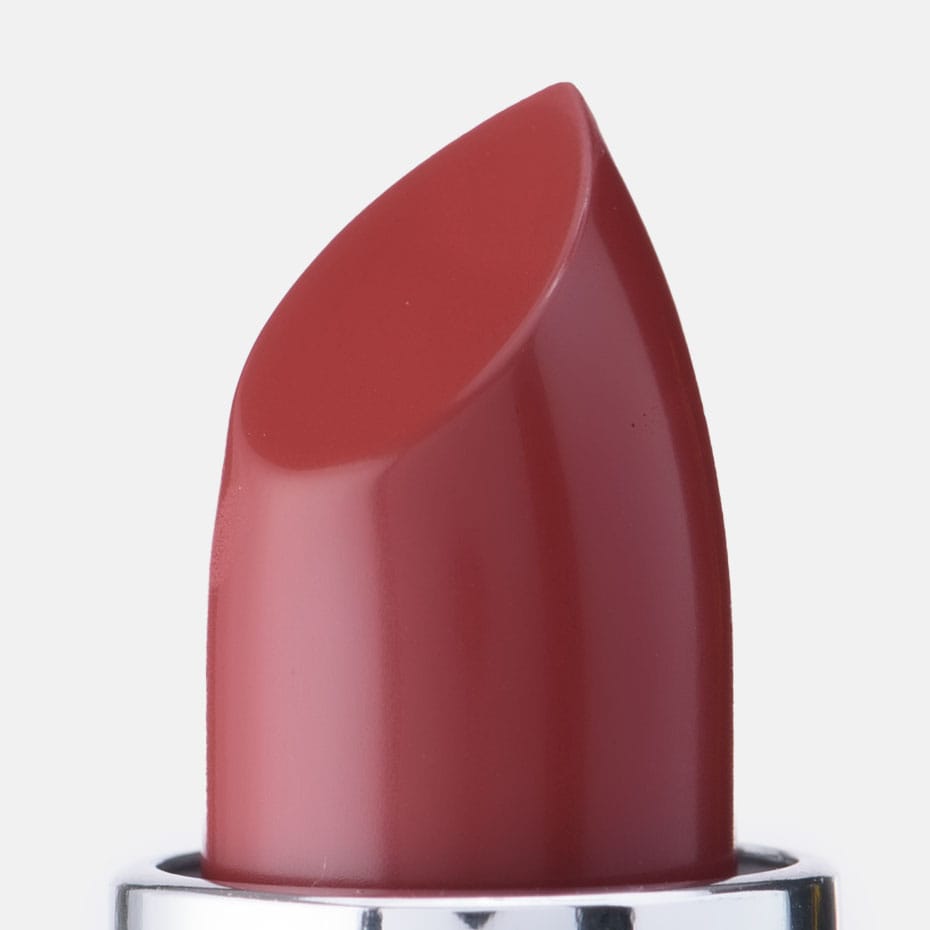
It might be time to part with your favorite shade of pink...or red.
If you love a certain lipstick, it is tempting to keep every last tube forever. But even the prettiest pink or red has a shelf life. Over time, ingredients begin to break down, and a product that once felt silky can slowly turn dull, dry, or unsafe for your lips.
All lipsticks are made of materials that will eventually degrade. They dislike heat, bright sunlight, and constant temperature changes. They also pick up bacteria each time they touch your mouth. That does not mean you have to be scared of your makeup bag, only that you should be a little more intentional about what stays and what goes.
When you find a lipstick that makes you feel like a million bucks, it is worth taking care of it and replacing it with a fresh tube when it reaches the end of its life. That way you keep the color you love without risking irritation or mold.
These tips will help you take care of your lipsticks and make them last longer.

Good storage habits can stretch the usable life of your favorite shades and keep them looking, feeling, and smelling their best.
- If you like to buy lipsticks in bulk, keep backup tubes in the refrigerator. A cool, dry shelf helps prevent melting and slows down oxidation.
- Store everyday lipsticks away from direct sunlight, heaters, and humid areas. Heat softens and separates the formula, and humidity encourages mold growth.
- Pop lip pencils or crayons in the freezer for about ten minutes before sharpening or applying. This makes them less likely to crumble and gives you a cleaner line.
- Never leave lipstick in a hot car. Closed cars can reach very high temperatures and can ruin a tube in a single afternoon.
- If a lipstick has been sitting untouched for a while, twist it up and gently warm it in the palm of your hand to help it glide again, as long as it still passes the sight and smell test.
- Always cap your lipstick as soon as you finish using it. Keeping bullets covered protects them from dust, lint, and other airborne contaminants.
- Avoid storing lipsticks in hot, steamy bathrooms. Steam, condensation, and heat are exactly the conditions that help mold grow on lipstick.
Lipstick hygiene 101
Cleanliness matters. You do not need to obsess over your lipsticks, but simple hygiene goes a long way. Wiping the bullet every so often and sanitizing it lightly can help keep your favorite shades fresher and safer to use.
From time to time, gently wipe the surface of the bullet with a clean tissue and spritz it lightly with cosmetic grade alcohol, then let it dry before capping. Many lipsticks include preservatives and antioxidants, but these start to break down after a year, especially if you live in a warm or humid climate.
Taking a few seconds to treat your lipsticks kindly helps them look better on your lips and gives you more peace of mind when you are swiping them on day after day.

Take care of your lipsticks and they will serve you well. Keep them away from heat, direct window light, steamy bathrooms, and airborne dust to extend their life span. Still, every tube eventually reaches the moment when it is time to say goodbye.
How long can you keep lipstick before it goes bad?
A. 6 months
B. 1 year
C. 3 years
D. 12 years
Do not even hover over D. In general, lipstick is best replaced somewhere between 6 and 12 months after opening, depending on how you store it and how often you use it. If you notice changes sooner, trust what you see and smell rather than pushing for a specific date.
What makes a lipstick degrade faster?
Some habits and environments will shorten the life of your lipsticks. If you want to keep favorite shades around as long as possible, these are the main factors to watch.
- Heat and sunlight. Direct sun and high temperatures speed up the aging of oils and waxes, which can cause separation, sweating, and texture changes.
- Germs and airborne particles. Lipstick bullets are slightly sticky, so tiny particles floating in the air stick to them easily. Opening your lipstick in public bathrooms or around steam can increase the amount of bacteria and debris on the surface.
Imagine uncapping your lipstick right after someone flushes in a public restroom. Warm, damp air plus bacteria is exactly the combination that can push a lipstick toward mold. Add heat, and things go from questionable to disgusting quickly.

How to tell if lipstick and makeup are expired
Since you rarely see a clear expiration date on lipstick, learning to read the signs is important. Your senses are the best guide for spotting products that are past their prime.
Why does my lipstick smell bad?
If you twist up your lipstick and get a strong waxy, crayon like smell, it is a major red flag. Even if the color still looks fine on your lips, a crayon scent usually means the oils have gone rancid. At that point, it is time to say goodbye.
Why do lipsticks sweat?
This is called lipstick sweat. Small beads of moisture appear on the surface when your lipstick is exposed to temperature swings that cause the oils to rise to the top. Sweaty lipsticks are not automatically bad, but if you also notice a strange smell, visible mold, or a change in texture, it is safest to retire the tube.
Can lipsticks grow mold?
Yes, they can. Any makeup that contains oils, waxes, and emulsifiers has the potential to grow mold, especially when stored in warm, damp places or kept long past its ideal lifespan. Expired lipsticks are much more likely to show spots, fuzz, or strange dots that indicate mold.
What will happen if you use expired lipstick?
Expired lipstick can grow mold and harbor bacteria. Using it may lead to swelling, irritation, rashes, or even infection. Even without visible mold, an old lipstick can feel hard, tug on the lips, crumble, or apply unevenly, which makes it frustrating to use and not worth the risk.
Can I scrape off the mold on my lipstick?
No. Mold spores do not just live on the very surface. Once mold appears, it usually runs deeper into the product. Scraping off the outer layer might make it look better for a moment, but the mold is still there and will come back. A moldy lipstick belongs in the trash.
Is it OK to use expired makeup?
In general, no. Even if a product appears normal at first glance, using it past its lifespan can cause irritation or breakouts because bacteria have had more time to multiply. It is especially important to be careful with anything that goes near your eyes or mouth.
How can I tell if any makeup product is expired?
Look and feel for these signs:
- The texture has changed from smooth to clumpy, streaky, or dry and crumbly.
- The color looks dull, darker, or noticeably different from when you bought it.
- The product smells different, sour, or stronger than it used to.
- Your skin reacts with breakouts, redness, or itchiness after you apply it.
- You cannot remember when you opened it, and it has been sitting around for a long time.
If you are unsure how old something is, it is safer to toss it and replace it with a fresh, clean option.
Quick recap
- Most lipsticks are best replaced within 6 to 12 months of opening.
- Heat, humidity, and germs shorten the life of your lip products.
- Trust your senses. If a lipstick smells off, looks different, or irritates your lips, it is time to let it go.
Fresh lipstick shade ideas to replace old favorites
Letting go of old tubes can feel hard, but it is a great excuse to find new favorites that feel comfortable and safe on your lips. When you are ready to trade in tired shades, here are some ideas.
- If you love soft everyday pinks, try hydrating shades like Audrey, gentle rose toned Mabel, or bright but wearable Hibiskiss.
- For deeper berries and statement colors, switch old tubes for bold Can't Be Beet, rich Berry Blast, or lively Rebel.
- If you love warm corals and peachy tones, reach for glowing Pinkle Twinkle, sun kissed Day After Morocco, or fresh salmon toned Sweet Pea.
- Neutral mauves that flatter many complexions include polished Maven Mauve, classic Mauve Me, and softly warm Secrets.
- For a modern nude lip, try creamy Oh My Guava, everyday friendly Naughty, or fluttery soft Flutter.
- If you are ready to refresh old reds, swap them for elegant Paris, classic New York, or luminous Starlette.
- When you want a warm, confident red, reach for Risque or vibrant Firesign for a bolder pop of color.
FAQs
How long can I safely keep a lipstick after opening it?
Most lipsticks are best replaced within about 6 to 12 months of opening. If you live in a hot or humid climate, or if you notice changes in smell, texture, or color sooner than that, go by those signs instead of the calendar.
What are the biggest signs that lipstick has gone bad?
The most common signs are a strong crayon like or sour smell, visible sweating combined with a strange odor, a change in color or texture, and irritation on your lips. Any sign of mold or fuzzy spots means you should throw it away immediately.
Can lipstick grow mold even if it still looks mostly normal?
Yes. Mold often starts as tiny dots or faint patches that are easy to overlook. If you see anything that looks like spots, fuzz, or unusual speckling, or if the lipstick smells off, it is safest to stop using it.
Is it safe to scrape off the top of a lipstick and keep using it?
No. Once mold appears, it usually runs deeper than the very top layer. Scraping it away does not remove the underlying spores. For the health of your lips and skin, it is better to discard the product and replace it with a fresh tube.
Can expired lipstick or makeup really cause infections?
It can. Expired products are more likely to contain higher levels of bacteria and mold, which can lead to swelling, redness, rashes, and in some cases infection, especially around the lips and eyes. Fresh, well stored products are always the safer choice.
How do I know if my other makeup products are expired?
Look for changes in smell, texture, and color, and pay attention to how your skin reacts after application. If a product starts to apply poorly, smells different, or causes irritation, it is a good sign that it is time to replace it.
Are there lipstick shades that are especially flattering for older women?
Many women find that softer berries, rosy pinks, and warm mauves look especially fresh and flattering as they age. For more ideas, you can read our guide What color lipstick should an older woman wear?