

How To Make My Lips Pink Naturally (Dermatologist-Backed Tips + Soft Pink Shade Finder) | Red Apple Lipstick
Want naturally pink-looking lips without stinging or guesswork? Here’s a gentle routine that works for sensitive lips, plus quick makeup tricks and a curated list of soft pink shades that brighten your smile fast.
Table of Contents
Why Lips Lose Their Pink (and What To Fix First)
Common culprits are dryness, sun exposure, frequent lip-licking, and dehydration. Health experts advise hydrating, avoiding lip-licking, and using a lip balm with SPF when outdoors (see the Cleveland Clinic’s chapped lips guide and the American Academy of Dermatology’s sunscreen tips). If you notice stubborn dark patches or scaling that doesn’t improve, check in with a dermatologist.
The 2-Step “Pinkify” Routine (Takes 60 Seconds)
1) Smooth the surface (gentle exfoliation)
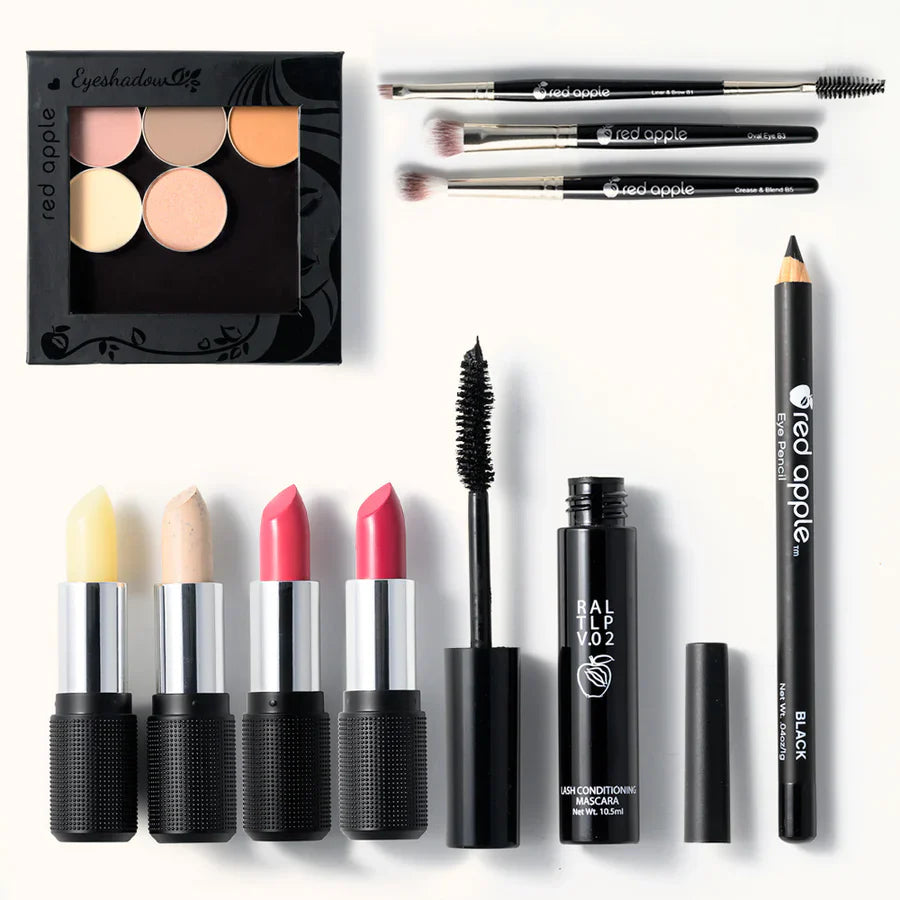
Use Lip Exfoliate Stick 2–3 times weekly to whisk away dry, flaky skin. Swipe, massage lightly, tissue off. Keep it gentle; dermatologists recommend light pressure and brief contact when exfoliating to avoid irritation.
2) Cushion with moisture
Follow with Rallye Balm throughout the day (and as an overnight mask). Lips look smoother, feel comfortable, and appear naturally pinker because they’re hydrated not tight.
 Back to Table of Contents ↑
Makeup Tricks For Instantly Pink Lips
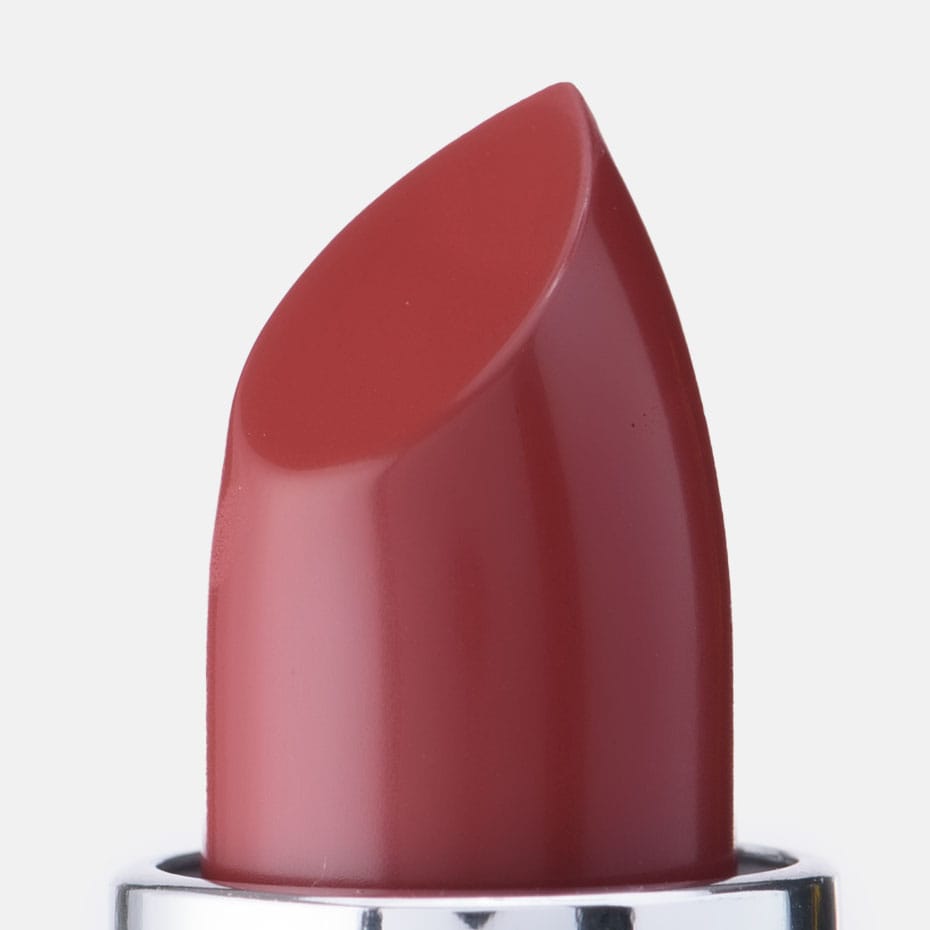
- “Your lips but pinker” lipstick: Tap on a thin coat of Audrey (neutral pink) or Mabel (mauve-rose). Blot and repeat on the center for a fresh, soft-pink bloom.
- Cool-pink lift: Choose a whisper-cool shade like Pinkle Twinkle or Oh Snapdragon to brighten the whole face.
- Natural tint day: Swipe a pink gloss such as Love Letter or Tiny Dancer over balm for a healthy, just-bitten look.
- Neutralize, then pink: Many makeup lovers softly blur natural lip color with a nude liner, then layer pink on top for a truer result.
- Community wisdom (paraphrased from r/MakeupAddiction & beauty forums): a weekly gentle exfoliation, steady hydration, and a tinted balm/gloss combo give the most believable “naturally pink” finish (no heavy lipstick needed).
Sun-smart bonus: When you’ll be in the sun, apply a lip balm or lipstick with SPF 30+ and reapply every two hours as the American Cancer Society and AAD recommend.
 Back to Table of Contents ↑
Soft Pink Shade Finder (Lipstick + Gloss)
Tap any card to view swatches, reviews, and full ingredient details.


Ingredient Love (What’s Inside RAL)
Every Red Apple Lipstick formula is made for comfort first, crafted without common irritants and designed for sensitive lips. Two hero ingredients you’ll find across our lipsticks and balms:
- Sunflower Seed Oil for a creamy glide and cushioned feel.
- Vitamin E for moisture and a smooth, soft-lip feel.
See our full standards and product-by-product details on the Ingredients page.
Quick Pink-Lip Playbook
- Hydrate + avoid lip-licking; use SPF balm outdoors (Cleveland Clinic).
- 2-Step care: gentle exfoliate → Rallye Balm (AAD: safe exfoliation).
- Go instant: Audrey/Mabel for soft pink; Love Letter or Tiny Dancer for glossy rosy sheen.
- Choose cool-pink (Pinkle Twinkle/Oh Snapdragon) to brighten your smile on camera.
FAQs
Can I make my lips pink without lipstick?
Yes. Consistent moisture care helps lips appear rosier on their own. For a boost, layer a sheer pink gloss like Love Letter over Rallye Balm for a healthy, natural tint.
How often should I exfoliate my lips?
Most people do well with 2–3 gentle sessions per week using the Lip Exfoliate Stick. Always follow with balm.
Which pink is best for my undertone?
Neutral/cool: try Audrey or Oh Snapdragon. Warm/olive: try Kissimmee or Tiny Dancer gloss.
Any safety notes?
Protect lips with SPF 30+ when outdoors and reapply every two hours (AAD guidance). If you see persistent dark patches or scaling, consult a professional.