

Cracked Lips: Causes, Fast Relief, and Gentle Lip Routines | Red Apple Lipstick
Cracked lips are painful, flaky, and annoying. This friendly guide explains why lips crack, how to get fast relief today, and which Red Apple Lipstick lip care steps help keep your smile soft through dry weather, sun, and sensitive-skin days.
Table of Contents
What Are Cracked Lips
Lips have very thin skin with fewer oil glands, so moisture escapes quickly. Research shows lips tend to lose water faster than cheek skin, which is why dryness can turn into flaking or splits if not protected. See a brief overview of lip water loss in this study on occlusive care and a clinical look at chronic cheilitis and transepidermal water loss in this paper.
Common Causes of Cracked Lips
- Dry air, wind, or cold snaps
- Sun exposure without lip SPF, which can lead to irritation
- Lip licking or mouth breathing
- Irritating flavors or fragrances
- New skincare or makeup causing contact irritation
- Medications like isotretinoin and health factors
Dermatologists at the American Academy of Dermatology recommend a non-irritating balm or ointment and avoiding triggers like licking and fragrances. Read their practical tips on healing chapped lips. The Cleveland Clinic also outlines common causes and home care steps in this overview.
 Tap to shop lip care that plays nice with sensitive skin.
Quick Relief Routine
Step 1: Soften
Press on a generous layer of Rallye Balm. Give it 5 minutes to sink in.
Step 2: Smooth
Gently buff only if there are obvious flakes. Use the Lip Exfoliate Stick, then re-apply balm. Keep pressure light and skip if lips are split.
Step 3: Protect
Heading outside? Use a lip product with SPF protection. The U.S. FDA advises using broad spectrum SPF 15 or higher and reapplying every 2 hours during exposure. See their sun safety guidance here. For daily color, choose a hydrating formula that feels comfy, like our Hydrating Lipstick for Dry Lips.
Ingredient Spotlight in RAL Formulas
We highlight only what we actually use. Our lip care and color formulas focus on gentle, effective comfort.
- Sunflower Seed Oil and Castor Seed Oil for creamy glide
- Shea Butter and Jojoba Seed Oil for cushiony moisture
- Candelilla and Carnauba Waxes for smooth structure
- Vitamin E for a silky feel
- Aloe and Silica to help formulas feel soft and look even
Browse full ingredient details on our Ingredients page.

Prevent Future Cracks
- Reapply balm through the day and before bed. AAD recommends frequent use of non-irritating balms and avoiding flavors or fragrances that sting per their guidance.
- Use sun protection on lips during outdoor time. The FDA recommends broad spectrum SPF 15 or higher and regular reapplication in this resource.
- Run a humidifier in dry seasons and avoid habit lip licking. Lip-licking dermatitis is a known irritant pattern; a bland balm barrier helps per this review.
- Check new skincare, toothpaste, or foods if irritation started recently. See a medical pro if symptoms persist. Mayo Clinic summarizes causes and options here.
Community Tips That Often Help
One Reddit user shared that a bedside humidifier and consistent balm reapplication stopped their nightly cracking. Another user mentioned that licking less and switching away from flavored lip products made a big difference. A forum commenter said a gentle buff plus a thick bedtime layer helped them wake up more comfortable. These tips line up with the expert guidance above.
When To See a Dermatologist
Book an appointment if you notice deep splits that will not heal, crusting, persistent corners cracking, or a new rough patch that is sensitive to sunlight. If cracks keep returning, a clinician can check for contact allergies, actinic damage, or other causes.

Helpful RAL Picks
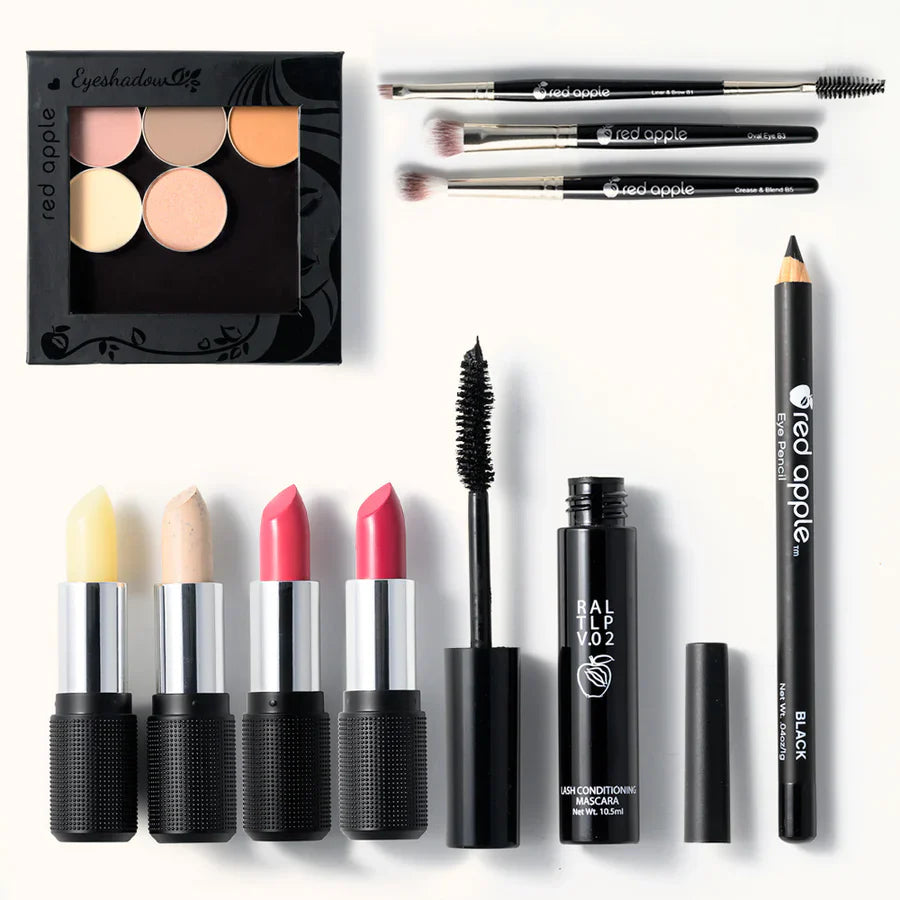
- Rallye Balm for daily comfort
- Lip Exfoliate Stick for gentle smoothing
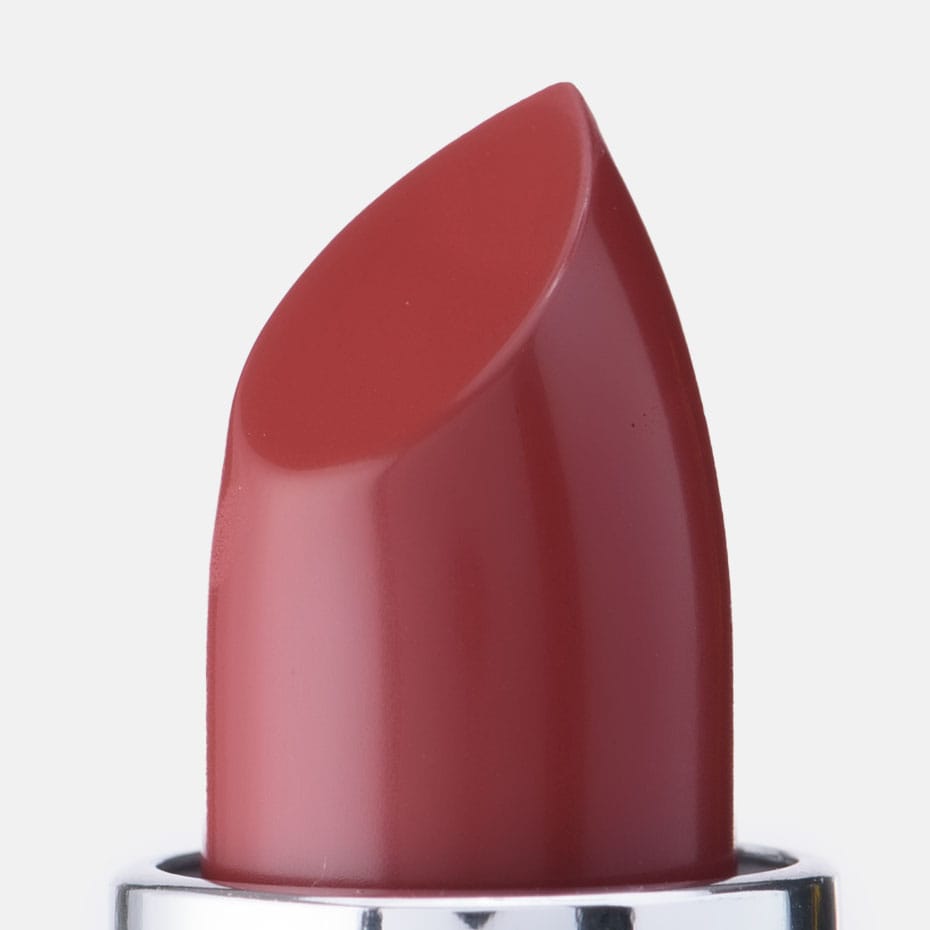
- Hydrating Lipstick for comfy color
- Lip Gloss to add a flexible, cushy shine
- Vegan Lip Brush for precise, soft application
- Perfect Duos and Lipstick Samples to test your favorites
FAQs
What should I avoid if my lips are cracked
Avoid licking, fragrances or flavors that sting, and aggressive scrubbing. Apply a non-irritating balm often, especially before bed. The AAD outlines these steps in their chapped lips guidance linked above.
Can lipstick make cracked lips worse
If lipstick feels tight or tingly, switch to a hydrating formula and apply balm first. Our Hydrating Lipstick and Lip Gloss are designed to feel comfortable on dry lips.
How fast can I calm a split lip
Clean gently, apply balm, and avoid stretching the area. Keep a protective layer on through the day and reapply before sleep. See a clinician if cracks persist or bleed repeatedly.
Do I really need SPF on lips
Yes. The FDA recommends broad spectrum SPF 15 or higher when exposed to sun and regular reapplication. Look for lip products with SPF or pair your balm with sun-safe habits.
Key Takeaways
- Cracked lips happen when thin lip skin loses moisture faster than you replace it
- Relief today: balm, gentle buff if needed, then protect with SPF when outdoors
- Our formulas lean on Sunflower Oil, Shea Butter, Jojoba, Castor Oil, plant waxes, and Vitamin E
- Reapply often, avoid irritants, use a humidifier, and see a pro if cracks persist