

Why Your Lipstick Has Tiny Bumps & How To Fix Lipstick Sweating | Red Apple Lipstick
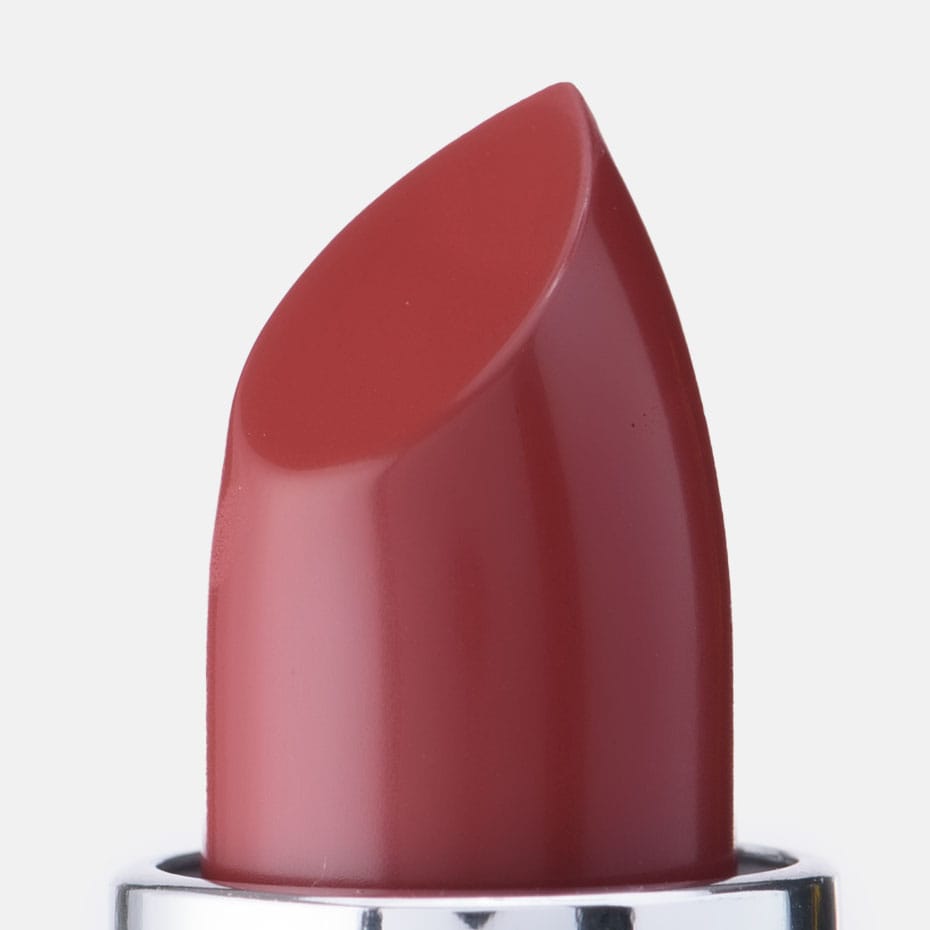
Ever popped open your go to lipstick and spotted tiny bumps staring back at you, even on a brand new tube? It can be a strange sight, especially when you just invested in a beautiful shade and expect a perfectly smooth bullet.
At Red Apple Lipstick we hear this question often. In this guide you will learn what those little bumps actually are, why creamy lipsticks can look sweaty on the surface, and how to know when it is finally time to let a tube go. If your favorite Maven Mauve or soft neutral Audrey ever looks a bit bumpy, this article is for you.
Table of Contents
Quick takeaways
- Most tiny beads on lipstick are harmless sweating from oils rising to the surface.
- Heat, humidity, and natural ingredients settling over time are the usual causes.
- Bumps alone do not mean your lipstick is expired, but mold, odd smell, or fuzz are a sign to toss it.
What Are Those Little Bumps On A Lipstick?
Those little bumps do have a name. They are tiny beads of liquid that have accumulated on the surface and this is called lipstick “sweating” or blooming. The more emollient ingredients a lipstick has, the more likely you are to see this on the bullet.

When a lipstick is poured, oils and waxes are blended, poured into a mold, and cooled into shape. Over time, especially when the tube warms up, some of the more fluid oils can separate slightly from the rest of the formula and move outward, forming visible droplets on the outside.
If you love rich, creamy shades like Strawberry Lips, Secrets, or Petal To The Metal, that buttery, hydrating feel means there is plenty of oil in the formula, so seeing occasional surface beads is completely normal.
Main Causes Of Lipstick “Sweating”
So what exactly triggers this sweaty, bumpy look on lipstick? These beads are oils that have separated from the rest of the formula and collected on the surface. Several things can encourage that separation.
Temperature changes
Temperature swings are the biggest culprit. Moving a lipstick from warm to cool and back to warm again causes the formula to expand and contract. As that happens, some oils can work their way toward the outer layer and show up as little droplets.
Humidity
High humidity partners with heat to make things worse. Warm, moist air can encourage separation of oils, especially if lipsticks are stored in steamy rooms like bathrooms.
Natural ingredients settling over time
Natural oils and waxes can sometimes be a little less compatible with each other. Over time they may settle and shift inside the tube. This is especially common in moisturizing formulas that rely on nourishing plant oils to keep lips soft and comfortable.
- Leaving lipsticks in a hot car or near sunny windows accelerates sweating.
- Storing them on countertops in steamy bathrooms increases heat and humidity exposure.
- Frequent travel between hot outdoor air and indoor air conditioning can also trigger surface beads.
Essentially, if your lipsticks are prone to get these beads of “sweat,” they will either show up as the lipstick ages or after a drastic change in temperature.
Ready to upgrade a bumpy old tube to a fresh, smooth one? A shade like Day After Morocco is a beautiful, wearable option for everyday lips.
Are Lipsticks With Small Bumps Safe To Keep Using?
Although they may not be visually perfect, these little bumps are usually harmless. In many cases they simply mean your lipstick was made with certain types of oils that have risen to the surface. Once you swipe the bullet a few times, that top layer blends back in as you apply it.

Sweating can slightly change the texture of a lipstick or make it feel a bit more slippery at first swipe, but it does not automatically make the product unsafe. You can gently blot the bullet with a tissue and keep using it as long as the color, texture, and smell still seem normal.
The big exception is mold. If you see any white fuzzy patches, odd growths, or notice a strong off smell, that is no longer simple sweating. In that case, the safest choice is to throw the lipstick away. For a deeper comparison, you can read our guide on how to spot a truly moldy lipstick.
If a tube looks suspicious or past its prime, it is always ok to treat yourself to a fresh favorite rather than risk irritation.
How To Help Prevent Lipstick “Sweating”
You cannot fully control what a lipstick experiences before it reaches you, but you can store it in a way that slows down or minimizes sweating once it is in your makeup bag.

Store In A Cool Place
A cool, dry place is best for any lip product. Keep tubes away from direct sunlight and away from hot spots like radiators or sunny window ledges. Avoid storing lipstick in the bathroom where steam and heat fluctuate often.
Keep Them Closed When Not In Use
Another simple way to minimize exposure to moisture and air is to keep your lipsticks capped tightly. Make sure the bullet is twisted fully down and the cap is pressed on straight so the formula stays protected between uses.
Avoid Exposure To High Temperatures
Heat is the biggest trigger for sweating. Try not to leave lipsticks in your car, near stoves, or on top of warm electronics. Travel makeup bags can heat up quickly in hot climates, so tuck them into the coolest part of your purse when you are on the go.
- Store lipsticks in drawers, vanity organizers, or covered boxes instead of open countertops.
- Avoid leaving your makeup bag in hot cars or in direct sun at the beach or pool.
- In very hot, humid climates, you can keep a few favorites in the refrigerator inside a small sealed container.
Sweating or blooming is harmless and more common than most lipstick lovers realize. If you are ever unsure whether you are seeing sweat, mold, or just a very old product, it is better to err on the side of caution and let that tube go.
When To Toss A Lipstick
Even if there are no bumps, every lipstick has a shelf life. Most tubes are at their best for about one to two years after opening, depending on storage and how often you use them. Your senses are a great guide.
Your lipstick might be expired if you notice:
- Odor change It starts smelling off, waxy, or rancid compared to when it was new.
- Texture change The bullet feels unusually dry, crumbly, or strangely sticky.
- Color fading The shade does not look as vibrant and appears dull or patchy.
- Application difficulty It drags, skips, or refuses to glide smoothly even on well prepped lips.
If you notice one or more of these signs, it is probably time to retire that lipstick and move on to something fresh. A timeless neutral like New York or flattering berry like Berry Blast is a lovely place to start.
Frequently Asked Questions
What do bumps on lipstick mean?
Bumps on lipstick usually mean the product is experiencing sweating. Tiny beads of oil have moved to the surface of the bullet. This happens often in creamy, hydrating formulas and does not automatically mean anything is wrong with the lipstick.
Why does my lipstick have bumps?
Bumps appear when the lipstick has gone through temperature swings or has been stored in a warm, humid place. Natural oils can separate slightly and collect as droplets on top, especially in rich, moisturizing formulas.
How can you tell if your lipstick has expired?
Check for changes in smell, texture, and performance. If your lipstick smells off, feels dry or oddly sticky, looks dull or patchy, or is suddenly hard to apply smoothly, it is likely expired and best to replace.
Can lipstick harbor bacteria?
Yes. Any product that regularly touches your lips can pick up bacteria over time, especially once preservatives begin to weaken. Good storage, not sharing lipsticks, and replacing older tubes help keep things safer for your skin.
Is it possible for fungus to grow on lipstick?
It is possible, particularly in very old, expired, or improperly stored products. Fuzzy spots, unusual growths, or strong unpleasant odors are warning signs. If you see anything that looks like mold, do not try to fix it just throw the lipstick away.
Quick recap
- Lipstick bumps are usually harmless sweating caused by oils rising to the surface.
- Storing lipsticks in a cool, dry place and keeping caps closed helps minimize sweating.
- Trust your senses if something smells, looks, or feels off, it is time to replace the tube.