

Best Non-Toxic Lipsticks: Safe, Gorgeous Color Without Compromise | Red Apple Lipstick
“Non-toxic” lipstick should be more than a buzzword. This friendly guide shows what to look for, which ingredients feel great on sensitive lips, and a handful of Red Apple Lipstick shades people love, so you can swipe color with confidence.
Table of Contents
What “Non-Toxic” Really Means
In beauty, “non-toxic” isn’t a regulated claim. A smarter approach is to focus on ingredient quality, potential irritants, and brand transparency. For general safety context, you can skim the U.S. FDA’s cosmetics hub and, if you’re curious about pigments and trace impurities, the FDA’s page on lead in cosmetic products. If you have reactive skin, a board-certified dermatologist’s guidance on contact dermatitis (see the AAD overview) can help you pick gentler formulas.
Our Ingredient Standards (What’s Inside)
Every Red Apple Lipstick formula is designed for comfortable, high-color wear with a focus on skin-loving ingredients. Highlights you’ll find across our lineup:
- Sunflower Seed Oil and Castor Seed Oil for a creamy glide.
- Shea Butter and Jojoba Seed Oil for cushiony moisture.
- Candelilla and Carnauba Waxes for smooth, vegan structure.
- Tocopheryl Acetate (Vitamin E) for a silky feel.
Some shades include light natural aroma from citrus or vanilla components. Always review the full list on each product page or our Ingredients page.

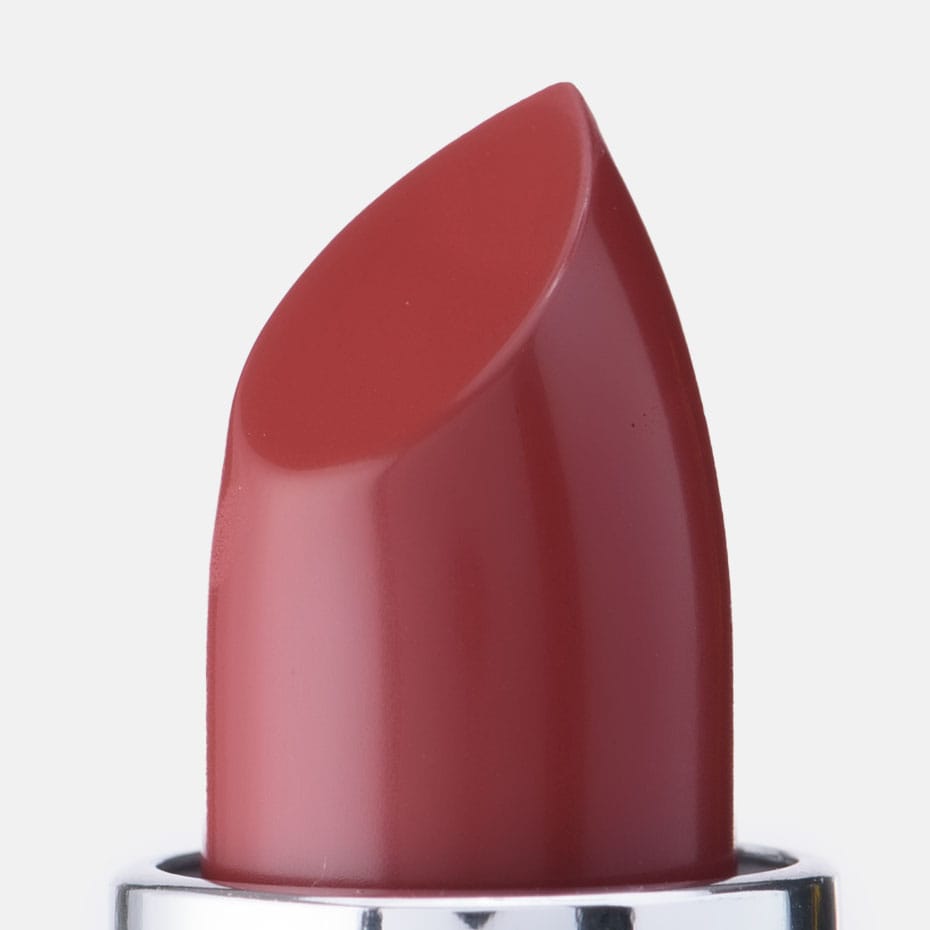
Top Safer Picks: Shade Shortlist
Tap a shade to view the full ingredient list, swatches, and reviews. All links open in the same tab for a smooth shop-and-read flow.


How To Choose A Safer Lipstick
- Scan the full ingredient list on the product page (we publish ours clearly on each shade and on the Ingredients page).
- If you’re sensitive, patch test on the inner arm or lip edge first. See the AAD guide to contact dermatitis for general tips.
- Prefer plant-based structure? Look for Candelilla and Carnauba waxes and nourishing oils like Sunflower, Jojoba, and Castor.
- Want fewer unknowns? Stick with brands that disclose everything plainly and update ingredient pages.
- Celiac household? Many choose gluten-free lip color as a simple precaution. Talk with your clinician and read labels; a general primer on gluten-free living is available via MedlinePlus.
Comfort-First Application Tips
- Smooth first: a quick buff with the Lip Exfoliate Stick, then condition with Rallye Balm.
- Line lightly to keep edges neat; choose a liner close to your lip shade.
- Build in thin layers: one pass for a tint, two for full color.
- Blot, then tap a final layer in the center for longer wear.

Expert & Community Notes
Dermatologist perspective: Many dermatologists suggest avoiding known irritants if you’re reactive and recommend patch testing new makeup; you’ll find practical basics in the American Academy of Dermatology’s public pages linked above.
Community insight: In long-running threads on makeup forums, people with sensitive lips often say they switched to creamy, vegan bullets because citrus-style scents or tingles felt harsh for them; several mention loving formulas with Sunflower Oil, Shea Butter, and plant waxes because they feel plush without stickiness. Your experience is personal, so choose what feels best on your lips.
FAQs
Does “non-toxic” mean a product is chemical-free?
No. Everything is made of chemicals, including water and plant oils. Focus on ingredient transparency, gentle components, and how your skin responds.
Are Red Apple Lipstick formulas vegan and cruelty-free?
Yes, our lipsticks are vegan and cruelty-free, with plant-based waxes for structure.
What about heavy metals in pigments?
Color cosmetics can contain trace impurities. The FDA provides consumer context on this topic; see Lead in cosmetic products. We source high-quality pigments and publish full ingredient lists so you can make informed choices.
I’m gluten-free, do I need gluten-free lipstick?
Many gluten-free consumers prefer gluten-free lip products as a simple precaution because lip color may be ingested. Review labels and consult your clinician for personal guidance. A general overview of gluten-free living is available via MedlinePlus.
How can I check if a lipstick will irritate my lips?
Patch test first: apply a small amount to your inner arm or lip edge for a day. If you’re prone to dermatitis, the AAD has helpful guidance.
Quick Summary
- “Non-toxic” is about smart choices: clear labels, gentle ingredients, and how your skin feels.
- Red Apple Lipstick highlights comfy oils (Sunflower, Castor, Jojoba), Shea Butter, plant waxes, and Vitamin E.
- Try customer-loved shades like Audrey, Secrets, and Strawberry Lips for easy everyday wear.