

Face Blush: Talc Free, Sensitive Skin Friendly Tips, Shades, and Application | Red Apple Lipstick
Looking for a face blush that wakes up your complexion without bothering your skin? You’re in the right place. Below you’ll find easy shade picking, how to apply face blush for a natural flush, and sensitive-skin ingredients to love.
Table of Contents
Why Talc-Free Face Blush Is A Win For Sensitive Skin
Our talc-free mineral blushes are designed to deliver soft, buildable color that sits comfortably on skin. Many people with reactive or mature skin prefer talc-free and look for clear ingredient labels. Dermatologists also suggest patch testing new products on clean skin before full use, which you can do at home by following the American Academy of Dermatology’s simple test steps. And while some brands say “hypoallergenic,” the FDA explains that this term isn’t regulated, so reading the ingredient panel is still your best guide.
 Back to Table of Contents ↑
Shade Finder: Undertones, Finishes, And Where To Place Color
Pick blush the same way you pick lipstick or foundation undertones. Warm or neutral undertones often love peach, apricot, and warm pink. Cool undertones usually like soft rose and baby pink. If your skin is olive, warm coral and terracotta can look fresh.
- Warm up the whole face by placing color high on the outer cheek, then softly blend toward the temple.
- Want a youthful pop? Try a satin finish on the apples of the cheeks and blend outward.
- Prefer sculpted? Keep matte shades slightly under the cheekbone, then add a whisper of glow on top.
 Back to Table of Contents ↑
How To Apply Face Blush So It Looks Like Skin
- Start light. Pick up a small amount, tap off excess, and build in thin layers.
- Blend edges first. Leave the center of the cheek slightly stronger for a healthy flush.
- Match your base. On minimal makeup days, use softer tones. On glam days, choose a brighter shade so it shows through.
- Set strategically. If you set your base with powder, add one more gentle pass of blush so color stays true.
 Back to Table of Contents ↑
Tools, Prep, And Layering With Bronzer
Great tools make blending easy, especially on textured or dry areas. Our angled blush brush hugs cheekbones for a diffused finish. If you like a sun-kissed look, apply bronzer first, then layer blush where you naturally flush so the result looks seamless.
 Back to Table of Contents ↑
Ingredient Spotlight In RAL Blush
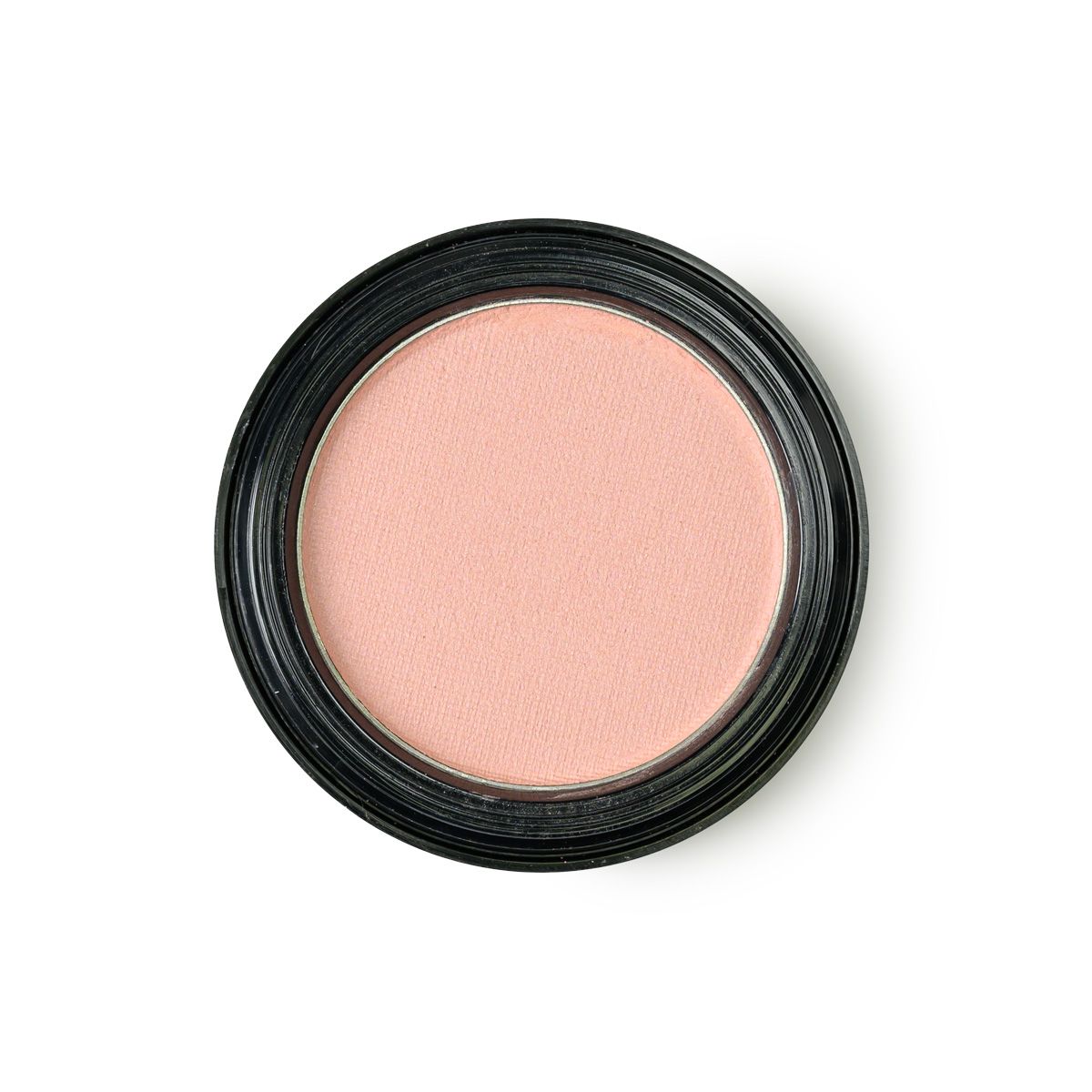
We keep the blush formula straightforward and skin-respectful. You’ll see mineral pigments and a vegan binder for smooth payoff, without talc.
- Mica and Titanium Dioxide for soft, buildable color and light diffusion.
- Vegan Octyldodecyl Stearoyl Stearate helps pigments press and blend evenly.
- Zinc Oxide and Silica support a smooth feel and help the finish sit nicely on skin.
- Ultramarines and Iron Oxides create true-to-pan shades across skin tones.
- Gotta Glow only: includes Bismuth Oxychloride as the last ingredient at about 0.05% for a subtle radiance.
Curious about research on minerals in cosmetics? Scientists continue to study how ingredients are used for comfortable wear and photoprotection, including work exploring silica-coated zinc oxide combinations. Always remember that labels matter more than buzzwords, and the FDA advises checking ingredient lists if you have known sensitivities.
Back to Table of Contents ↑Real-World Tips From The Community
We listen to beauty lovers across forums to learn what actually works day to day:
- One Reddit user shared that layering blush in thin passes keeps it natural and prevents hard edges.
- Another said they smile lightly during application, then relax the face to blend where cheeks really sit.
- Many report that starting with less product avoids overcorrecting and keeps texture from standing out.
Quick Summary
- Talc-free mineral blush offers soft color that’s easy to build.
- Choose undertones that mirror your skin or warm it up on purpose.
- Apply in light layers with an angled brush and blend edges first.
- Ingredient labels beat marketing terms when your skin is sensitive.
FAQs
Which face blush finish is most forgiving on texture?
Soft matte or satin is friendly on texture. Use a light hand, blend edges, then add a tiny tap of glow only on the highest point for lift.
Can I wear blush if my skin is sensitive?
Yes. Look for clear labels and patch test first. The AAD outlines an easy home patch test. If you already know triggers, scan the ingredient list before purchasing.
Should I trust the word “hypoallergenic” on packaging?
It can be a helpful hint, but the FDA notes the term isn’t standardized. Your best tools are ingredient labels and patch testing.
How do I pair blush with bronzer?
Apply bronzer first where the sun hits, then add blush on the apples and blend back. This keeps warmth and flush balanced.