

Hypoallergenic Eyeshadow Primer for Sensitive Eyes

If your eyelids sting, water, look crepey, or make color disappear by lunchtime, eye makeup can feel like more work than fun. A thoughtfully chosen hypoallergenic eyeshadow primer can create a smoother base, help color look more even, and reduce the need for repeated touchups. At Red Apple Lipstick, Prime Time Eye Shadow Primer is designed for sensitive eyes and mature lids, with a silky texture that supports comfortable, polished wear.
The word hypoallergenic deserves a clear explanation. The U.S. Food and Drug Administration explains that no federal standard or definition governs the term hypoallergenic. It should never be read as a guarantee that a product cannot cause a reaction. The most helpful approach is to review the complete ingredient list, choose a formula intended for the eye area, apply it carefully, and pay attention to how your own skin responds.
Table of Contents
- What a Hypoallergenic Eyeshadow Primer Can Do
- Is It Right for Sensitive or Mature Lids?
- Build Your Sensitive-Eye Makeup Routine
- What Real Customers Are Saying
- How To Wear It (Makeup & Outfit Pairings)
- Ingredient Love (What Is Inside Prime Time)
- Application Tips For Comfortable, Smooth Wear
- Common Mistakes to Avoid (Troubleshooting)
- FAQs
What a Hypoallergenic Eyeshadow Primer Can Do
Eyeshadow primer is the quiet step that helps the rest of your eye look work better. It creates a more uniform surface between your eyelid and your color, helping shadow apply more evenly and hold its appearance longer. This can be especially useful when natural lid oils encourage creasing, when visible veins or discoloration affect a shade, or when delicate mature skin makes powder catch unevenly.
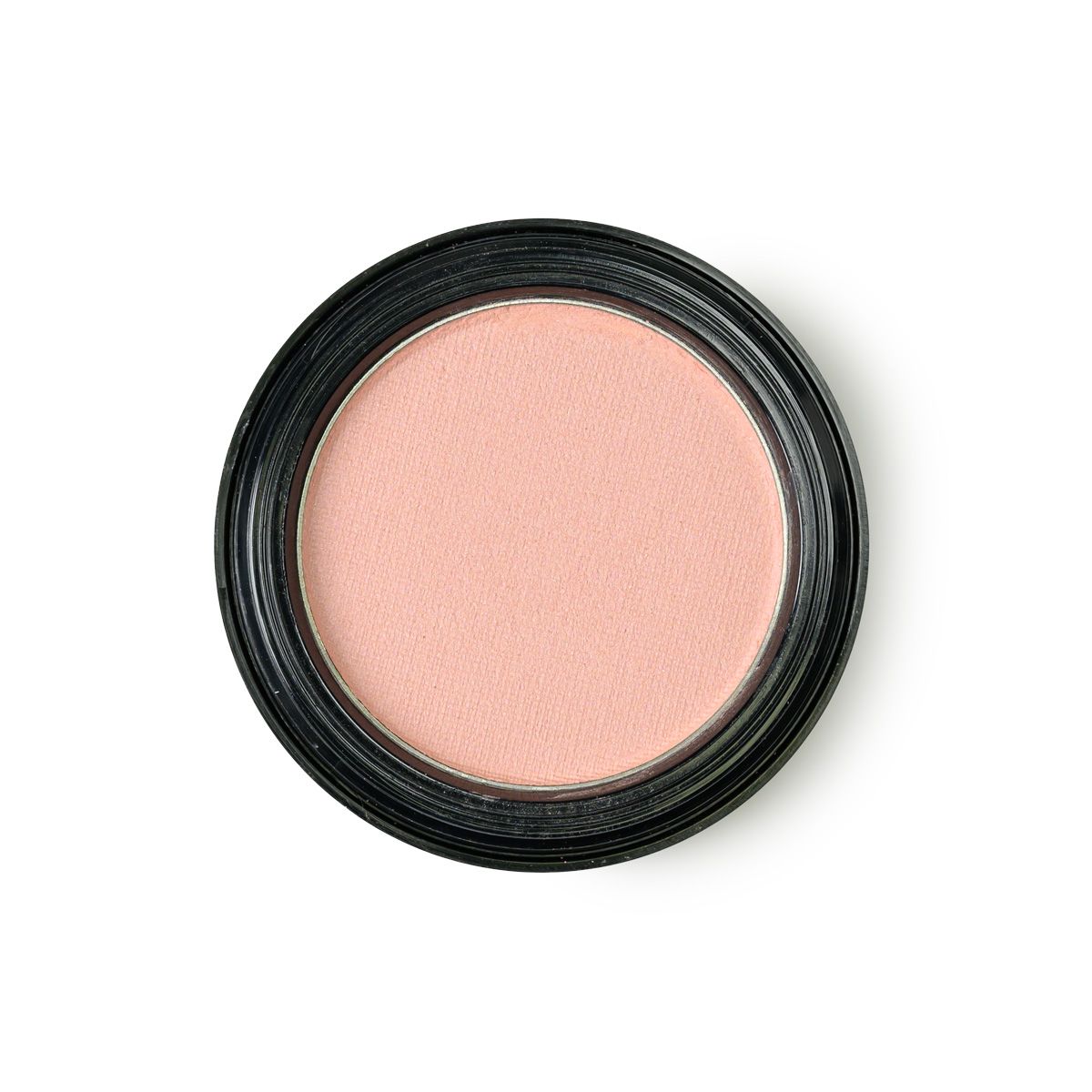
Prime Time Eye Shadow Primer has a creamy powder texture that blends into a silky base. Red Apple Lipstick describes it as hypoallergenic, vegan, non-comedogenic, and made for sensitive eyes. It is designed to smooth the look of fine lines, even the appearance of the lid, help control oil, and give shadow more grip without making the eyelid feel heavily coated.
The practical value is simple: you can use less eyeshadow, spend less time repairing faded color, and enjoy a more finished look from your first cup of coffee through the rest of your day. The soft neutral tint may also make the eyes look more awake when you want a minimal routine.
Is It Right for Sensitive or Mature Lids?
A sensitive-eye routine is personal. One person may react to fragrance, another may have seasonal watering, and someone else may be managing an eyelid condition with a dermatologist. A hypoallergenic label can help narrow your search, but your ingredient history and your skin's response matter more than a marketing term alone.
Prime Time may be a useful fit if you want an eye-area primer that feels lightweight, softens the appearance of texture, helps neutralize uneven lid color, and supports longer shadow wear. It can also be a smart simplifying step for mature lids because a smooth base can reduce the temptation to pile on extra powder.
If you have an active rash, swollen eyelids, broken skin, or an eye infection, pause eye makeup until the area has healed and follow your clinician's advice. The FDA's eye cosmetic safety guidance recommends stopping a product immediately if it causes irritation and seeking medical care if the irritation persists. For recurring reactions, the American Academy of Dermatology explains how formal patch testing can help identify contact allergens.
Fast pointers
- - Hypoallergenic does not mean reaction-proof, so always review the full ingredient list.
- - A thin layer is usually more flattering than a thick one on textured or mature lids.
- - Stop use if discomfort appears, and seek professional guidance when symptoms persist.

Build Your Sensitive-Eye Makeup Routine
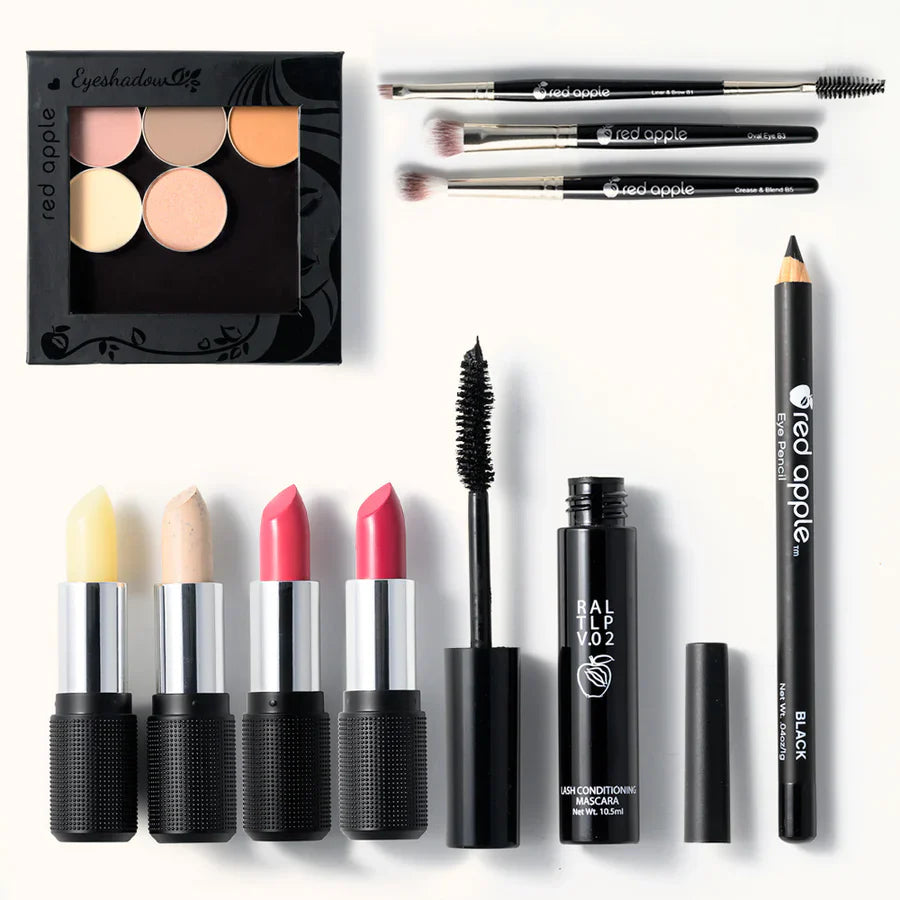
Choose a card below to explore the primer, create a personalized palette, or browse coordinated eyeshadows for sensitive eyes. Keeping your routine focused can make it easier to notice which products work well for you.


What Real Customers Are Saying
Prime Time is made for sensitive eyes and delicate, mature lids. These brief comments come from verified buyers whose reviews appear on the product page.
“It goes on very smoothly with a fingertip.”
“It glides easily over my eyelid and upper brow.”
How To Wear It (Makeup & Outfit Pairings)
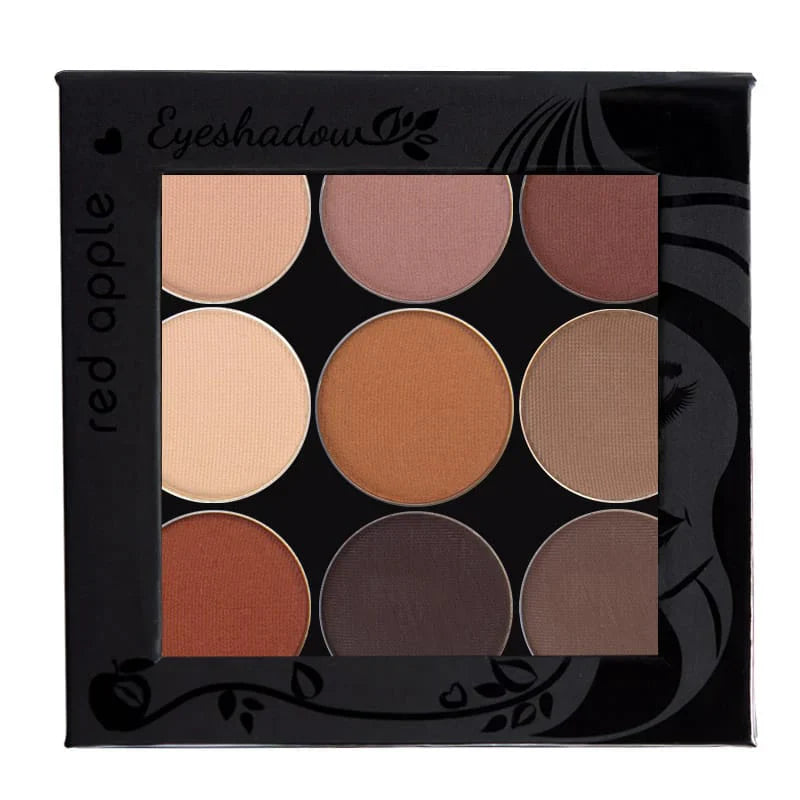
- Soft daytime neutrals: Apply Prime Time, then sweep a light taupe or soft beige from the talc-free eyeshadow collection across the lid. This easy look works beautifully with denim, cream knits, and relaxed daytime outfits.
- Polished work definition: Pair a matte neutral lid with a softly defined lash line from the gluten-free eyeliner collection. Add a navy blazer, crisp blouse, or another tailored favorite for a composed look.
- Rich evening color: Build a plum, charcoal, or deep brown shadow gradually over the primer. A jewel-toned blouse or a simple black dress lets the eyes become the focal point without looking overdone.
- Bright, open-looking eyes: Keep the lid softly neutral, brighten the inner corner with a light shade, and finish with The Lash Project Mascara. This pairing complements colorful prints as well as classic monochrome outfits.
Ingredient Love (What Is Inside Prime Time)
Ingredient transparency matters when you are shopping for a hypoallergenic eyeshadow primer. Prime Time's published formula contains the ingredients below. The descriptions focus on their practical roles in the texture, application, wear, preservation, and tint of this specific cosmetic formula.
- Carnauba: A plant-derived wax that gives the primer structure and helps it form a smooth, lightweight layer.
- Magnesium Carbonate: An absorbent powder that supports a soft finish and helps manage excess surface oil.
- Decyl Oleate: An emollient that contributes slip, helping the formula spread across the lid with less tugging.
- Isopropyl Titanium Triisostearate: A pigment-dispersing and binding ingredient that helps color components blend evenly through the formula and adhere consistently.
- Phenoxyethanol: A preservative used to help protect the formula from microbial growth during normal use.
- Hydrogenated Polyisobutene: An emollient and binder that contributes cushion, smoothness, and flexible adhesion.
- Octyl Palmitate: An emollient that supports a silky glide and comfortable application.
- May contain Iron Oxides, Titanium Dioxide, and Ultramarines: These colorants can provide the primer's neutralizing tint and visual coverage.
Even when a list looks reassuring, individual sensitivities can differ. Compare every ingredient with your known triggers, and ask your dermatologist or eye doctor for personal guidance if you have a history of eyelid dermatitis or persistent eye-area reactions.
Application Tips For Comfortable, Smooth Wear
- Start clean: Wash and dry your hands before applying eye makeup. Let eye cream, sunscreen, or other skincare absorb completely so the primer is not sitting on a slippery layer.
- Use a tiny amount: Pick up a light touch of product with a clean fingertip or one of the vegan makeup brushes. A thin layer is easier to smooth and less likely to gather in a crease.
- Press, then blend: Tap the primer across the mobile lid, then soften the edges with light strokes. Avoid pulling or rubbing delicate skin.
- Keep placement controlled: Apply only where you plan to place eyeshadow. Keep the product out of the eye and away from the inner waterline.
- Allow it to set: Red Apple Lipstick recommends waiting about 30 to 60 seconds before applying shadow. The surface should feel smooth and lightly grippy, not wet or heavy.
- Add shadow in light layers: Press on your first veil of color, blend the edge, then add more only where needed. You can explore the full eye makeup collection for coordinated options.
Common Mistakes to Avoid (Troubleshooting)
Most primer problems come from the amount used, the condition of the lid, or the tools touching the eye area. Match each common mistake on the left with its practical fix on the right.
FAQs
What is a hypoallergenic eyeshadow primer?
It is an eye-area base marketed as being formulated to reduce the likelihood of an allergic response while helping eyeshadow apply and wear more evenly. Because the FDA has no federal definition or testing standard for the term hypoallergenic, check the full ingredient list and evaluate the formula based on your individual sensitivities.
Can a hypoallergenic primer still cause irritation?
Yes. No cosmetic can promise that every person will tolerate it. Stop using the primer if you notice burning, itching, redness, swelling, or watering. If symptoms persist or are severe, contact a dermatologist, eye doctor, or other qualified healthcare professional.
Does eyeshadow primer help mature or crepey eyelids?
A thin, smoothly blended base can soften the appearance of uneven texture and help powder color apply more consistently. The important word is thin. Too much product may collect in natural folds, so begin with a very small amount and add only if necessary.
How long should Prime Time set before eyeshadow?
Allow about 30 to 60 seconds after blending. This brief pause lets the primer settle into a smooth, lightly grippy base. If it still feels wet or looks thick, gently blend away the excess before applying shadow.
Can I wear Prime Time without eyeshadow?
Yes. You can wear a light layer by itself when you want the lid to look more even and polished without adding color. Blend the edges carefully so the finish looks seamless, then complete your routine with liner or mascara if desired.
Quick recap
- - A hypoallergenic label is helpful context, but it is not an allergy-proof guarantee.
- - Prime Time is designed to smooth the look of lids, support richer color, and help eyeshadow stay in place.
- - Clean tools, a very thin layer, and 30 to 60 seconds of setting time can make application more comfortable and consistent.