

How To Choose Eyeshadow Colors For Your Eye Color And Skin Tone
Eyeshadows are one of the easiest ways to play with creativity and completely change your makeup look. The challenge is that there are so many shades and finishes that it can feel overwhelming to figure out which colors actually flatter you.
While there are no strict rules, not every eyeshadow color works well together or with every eye color. This guide walks you through how to choose eyeshadow colors that work best for your eyes and skin tone so you can build a small collection that always looks flattering.
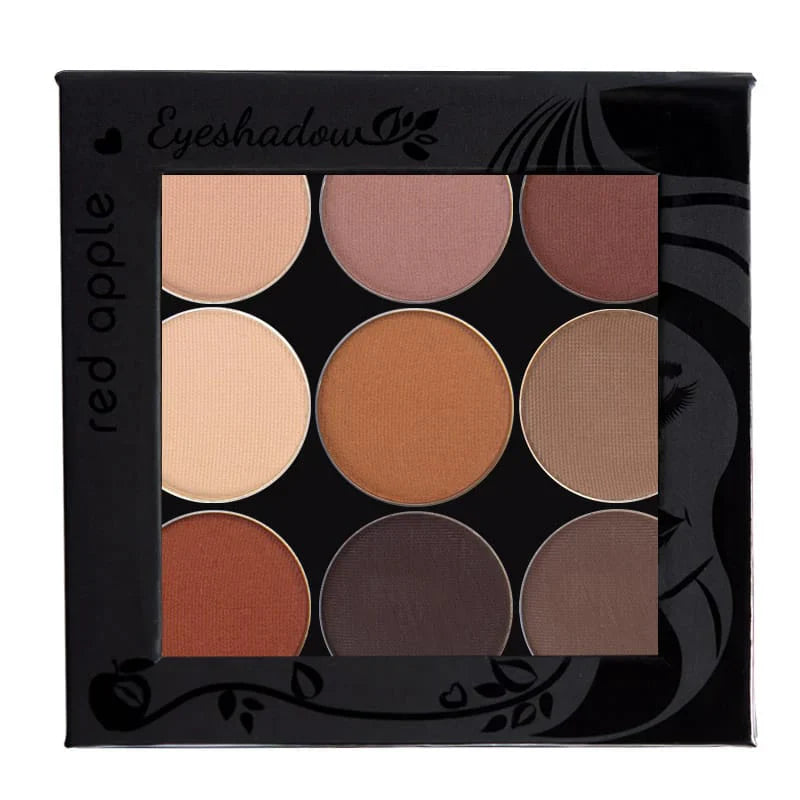
Along the way, you will see suggestions from Red Apple Lipstick talc free eyeshadows for sensitive eyes so you can shop shades with confidence and build a palette that feels very you.
Quick overview:
- Use nude and neutral shades as your everyday base.
- Choose accent colors by eye color to make your eyes stand out.
- Fine tune from there using your skin tone and preferred depth.
- Create simple three shade combinations so getting ready stays easy.
Why neutral and nude eyeshadows are so popular
Neutral and nude eyeshadows are the backbone of almost every eye look. They are the shades that will always look polished, wearable and timeless on most people, which is why they are the first colors many people reach for each morning.
The key is knowing that nude and neutral are not exactly the same thing.
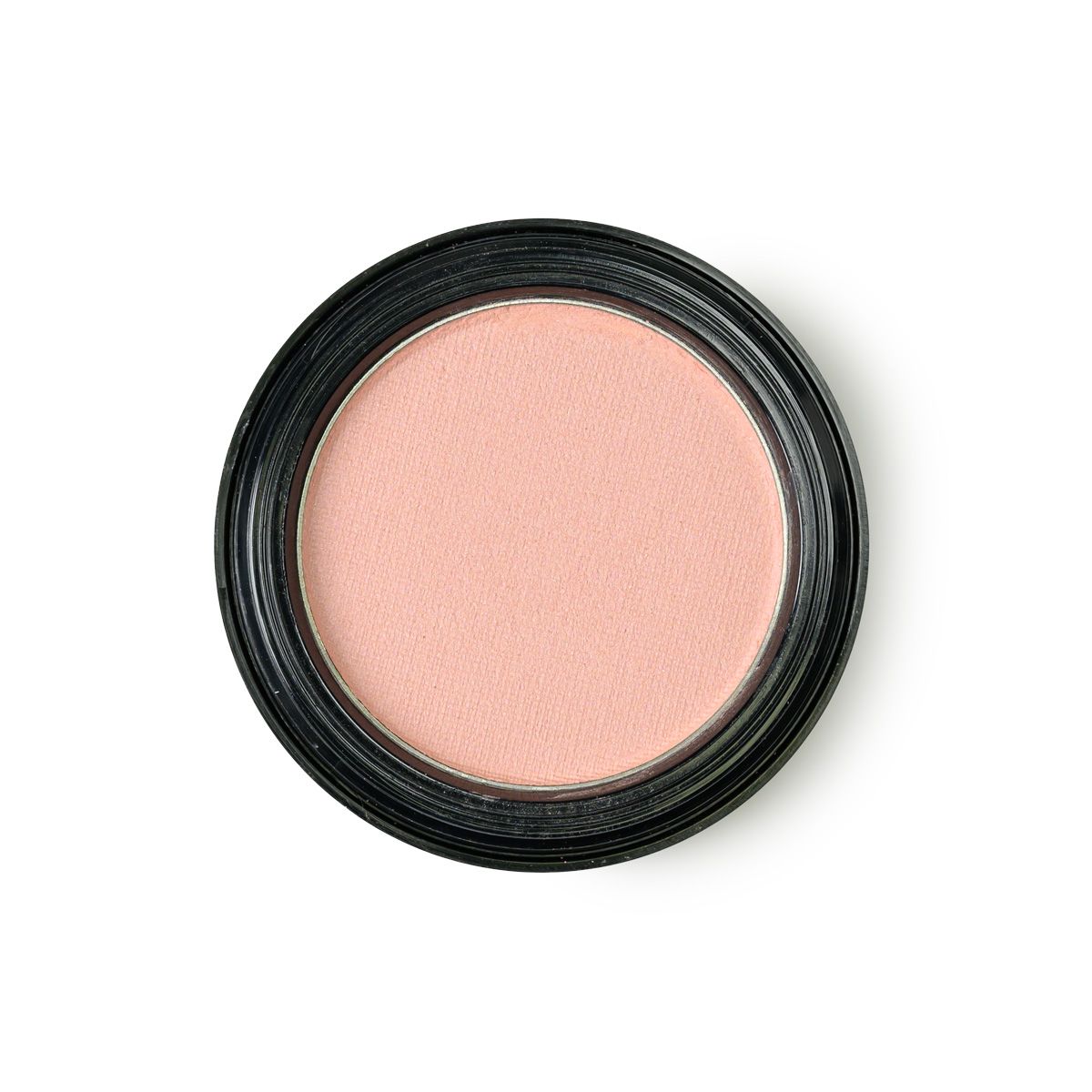
- Nude eyeshadows are colors you naturally find in skin tones: bones, beiges, tans and soft browns. Think of smooth base shades like Porcelain, soft lid shades like Sand Castle, and brightening highlights like Innocence.
- Neutral eyeshadows are muted complex colors that can lean warm, cool or balanced and often shift slightly with the light. Examples are beige, taupe, gray, cream, brown, black and white, including shades like Tip Taupe, soft grey Clean Slate and rich brown Brownie Points.
As a general guide, choose nude and neutral shades that are about two steps lighter or darker than the natural color of your eyelids. That gives you definition without looking heavy or chalky.

Neutral and nude eyeshadows for different complexions
Once you understand nude versus neutral, the next step is matching those shades to your complexion so they look soft and flattering instead of dull or harsh.
Nude and neutral eyeshadow for fair and light complexions
Lighter complexions usually look best in softer, lighter colors rather than deep or very bright shades. Look for rosy beige, taupe, rose gold and champagne tones. Soft golds and bronzes also work beautifully when they are not too dark.
Great Red Apple options for fair and light skin include brightening mattes like Porcelain, candlelit shimmer from Champagne, and soft neutral lid colors such as Buttercream or Pixie Dust.
Nude and neutral eyeshadow for medium and olive complexions
Medium and olive skin usually shines in warmer colors. Shades in the brown and bronze family, golden browns, coppers, honey and peachy tones are especially flattering.
If you have medium or olive skin, try camel toned Earth Girl, warm shimmer from Bronze Bombshell, and versatile crease shades like Iced Mocha or Yes You Canyon.
Nude and neutral eyeshadow for dark and deeper complexions
Deeper complexions look incredible in richer colors. Choose deeper shades of warm golds, bronzes and burgundies, along with plums and deeper browns. Very pale shades can look ashy, so go for colors with more depth and warmth.
For deeper skin, rich shades like Chocolate Martini, sultry Vamp, plum toned Plums Up and smoky liners like Black Magic or Hello Darkness are amazing staples.
If you want more neutral inspiration, you can also browse the neutral eyeshadow palette guide which shows neutral looks on different ages and skin tones.
How to choose eyeshadow colors that look best on your eye color
Once you have your everyday neutrals in place, the most powerful way to choose eyeshadow colors is to base them on your eye color. The color wheel shows us two main approaches:
- Complementary shades are opposite your eye color on the color wheel. These colors make your eye color pop and stand out.
- Monochromatic shades are in the same color family as your eyes, just lighter or deeper. These shades flatter and harmonize with your eye color.
Once you know the shades that work best with your eyes, it becomes easy to look at any palette or a page of hypoallergenic eyeshadow refills and instantly see which colors belong in your custom palette.
How to choose eyeshadow colors for brown and black eyes
Brown does not appear as a pure color on the wheel, but it is essentially a neutral, which gives you a lot of freedom.
- Brown and black eyes can wear many colors very well because brown is neutral.
- Green toned eyeshadows especially pop on brown eyes that have reddish or warm undertones.
- Purple shades look amazing on light brown eyes and on brown eyes with golden or yellow flecks.
- All the classic neutrals work beautifully: bronze, gold and layered browns chosen to match your complexion.
For brown eyes, try pairing green tones like Olive This Color or Sage Rage with warm browns such as Minx or Earth Girl.
For curated ideas in one spot, visit the brown eyeshadow guide and see looks built specifically for brown eyes.
How to choose eyeshadow colors for blue eyes
Orange sits opposite blue on the color wheel, so any eyeshadow with peach, copper or warm brown undertones will make blue eyes stand out.
- Blue eyes always pop next to warm orange based shades.
- Rich browns, terracotta, copper and bronze are reliable choices.
- Soft peachy shades are beautiful for gentle daytime looks.
On blue eyes, try a soft wash of Hush Hush or Like U Latte across the lid, then deepen the outer corner with Chocolate Martini or metallic Golden Ticket.
For even more ideas, explore the blue eye palettes and shade suggestions.
How to choose eyeshadow colors for green eyes
Red sits opposite green on the color wheel, so green eyes really come alive when you use colors with red based undertones.
- Green eyes love bronze, reddish browns, maroon and mahogany tones.
- Plum and eggplant purples are especially striking on green eyes.
- For a softer take, pink shadows still live in the red family and look romantic and fresh.
Try pairing rosy matte En Pointe with plum toned Plums Up, or reach for spicy warm shades like Sugar & Spice and She's Spicy.
You can see more curated examples on the shop eyeshadow for green eyes page.
How to choose eyeshadow colors for hazel eyes
Hazel eyes mix both green and brown hues. That means you can decide whether to play up the brown or the green, depending on the look you want.
- If the brown in your hazel eyes is stronger, use shades that complement brown eyes.
- If the green is more noticeable, choose colors that flatter green eyes.
- You can shift the look day by day by choosing either direction, almost like a mood ring.
Soft neutrals like Tip Taupe, Twinkle Taupe and Yes You Canyon are excellent everyday choices for hazel eyes.
For more swatches and combinations, visit the hazel eye eyeshadow page.
How to choose eyeshadow colors for grey eyes
Grey eyes often lean slightly blue or slightly green, and they can shift depending on what you are wearing.
- If your grey eyes lean blue, use the tips for blue eyes.
- If they lean green, use the tips for green eyes.
- You can also enhance the grey itself with silvers, soft browns and brownish greys.
For a steely, cool look, try pairing grey and charcoal tones like Taken For Granite, Graphite Glam and Clean Slate.
Need ideas laid out for you? Take a look at the grey eye eyeshadow page with pre planned combinations.
How to choose eyeshadow colors based on your skin tone
Using your skin tone to choose eyeshadow colors is a helpful extra layer once you know which shades flatter your eyes. Often your eye color choices will already look great on your skin, but these guidelines are useful when you are stuck between a few options.
- Fair and light skin tone is at the lightest end of the range. Fair skin often has cool undertones and may burn easily. Light skin can be cool, warm or neutral.
- Medium skin tone covers a broad range from medium light to tan to many olive complexions.
- Dark and deep skin tone describes the darkest complexions in the range.
- Olive complexion usually has both yellow and green or gray undertones. Many olive complexions fall in the medium to tan range, and some in the deeper range.
Fair and light skin tones
On lighter complexions, very dark and very bright eyeshadows can quickly overpower the face. Softer and lighter colors tend to look best. Think lighter golds and bronzes, taupe, rose gold and champagne. For a bit of color, choose softer greens and plums.
Lovely combinations for fair and light skin include Porcelain or Innocence as a base, with Champagne on the lid and soft definition from Tip Taupe.
Medium skin tones
Most medium complexions can wear plenty of colors, as long as they are not extremely light or extremely deep. Warm bronzes, coppers, golds and honey shades are gorgeous. Richer colors like blues can be stunning on warmer medium tones, while greys and lavenders flatter cooler medium skin.
Try Earth Girl or Minx in the crease, a wash of Iced Mocha on the lid and inner corner highlights from Buttercream.
Olive complexions
Olive skin is very versatile. You can look beautiful in both softer and bold shades. Golden browns enhance your natural warmth, while greens, royal blue, plums and orangey shades make the complexion pop.
Olive complexions often love a mix of Dirty Girl in the crease, Olive This Color on the outer lid and a touch of Golden Ticket at the center for brightness.
Dark and deep skin tones
Darker complexions look especially beautiful in rich, bold shades and usually want to skip very pale or ashy colors. For subtle looks, warm golds and burgundy shades are perfect. For drama, bright blues and purples are stunning.
On deep skin, try blending Violet Vintage or Violet Vixen with Vamp, then add liner depth with Graphite Glam or Hello Darkness.
How to choose eyeshadow color combinations
Now that you know which colors flatter your eyes and skin, it is time to put them together into looks. Most everyday eye looks use about three shadows, and once you have a simple structure, you can plug in any colors you like.
For super quick days, you can always choose one medium neutral shade and sweep it over the lid and into the crease. On other days, use the three step structure below.
1. Choose a base shade
Start with a neutral matte shade that is close to your skin tone, no more than one or two shades lighter. Apply this all over the lid as your base for blending.
- Purpose of the base shade: even out the tone of your lids and help all other shadows blend smoothly.
2. Use a light, medium and dark shade
Look at the shades you have chosen and assign them to light, medium and dark roles. Your base shade can be your light shade if you like a softer look.
Why this works: it adds dimension to your eye look and creates a seamless transition between shades when you blend.
Where to place each shade:
- Light shade highlights the eye. Use it on the brow bone, inner corner and even the lid for bright looks.
- Medium shade creates the transition. Smooth it into your crease, and if you have hooded lids, take it slightly above the crease so you can see it when you look straight ahead.
- Darker shade defines and shapes. Apply it on the outer third of the eye in a soft triangle, or use it as liner with an angled brush for less drama.
Always start with an eye primer so your work stays put. Prime Time Eye Primer keeps talc free shadows from creasing and helps your colors look more vibrant all day.
To blend everything together, use a soft crease brush such as the Vegan Crease and Blend Brush and make small circular motions where the colors meet.
If you prefer a full tutorial, you can watch a classic look in the eye makeup for blue eyes tutorial which walks through this placement step by step.
3. Mix eyeshadow finishes
Many beautiful looks use a mix of matte and shimmer. Shimmers emphasize and brighten the eyes, while mattes add structure and depth.
Try using a shimmery shade like Golden Ticket, Bronze Bombshell or Twinkle Taupe on the lid, then keep the crease and outer corner matte with shades like Brownie Points or Earth Girl.
If you are not a fan of sparkle, an all matte look still follows the same light, medium and dark structure and looks very polished.
4. Always include at least one neutral shade
When you play with colorful and bright eyeshadows, balance them with at least one neutral shade in the look. This keeps everything wearable and intentional instead of overpowering.
For example, if you are using a purple like Violet Vintage or Violet Vixen, pair it with a cream or taupe such as Buttercream or Tip Taupe.
How to do monochromatic eyeshadow looks
A monochromatic eye look uses different shades of the same color family. This is an easy way to create a very cohesive, intentional look without worrying if colors clash.
For monochromatic looks, you still follow the same steps: choose a base, then light, medium and dark shades, and mix finishes if you like shimmer. The only difference is that all the shades are variations of the same color.
For example:
- A soft pink monochromatic look could use En Pointe as a base, deepen with Sugar & Spice, then add depth with Plums Up.
- A neutral taupe look might use Porcelain, Twinkle Taupe and Minx.
If you love this style, you might also enjoy the pink monochromatic makeup tutorial which shows a full face built around one color family.

Shop the shades mentioned in this guide
Ready to start building or refreshing your own palette? Here are the single shadows referenced above so you can add your favorites straight into a custom Z palette.
Frequently asked questions
What eyeshadow colors go well together?
Colors in the same family always pair well, which makes monochromatic looks very safe and easy. Classic combinations include:
- Golds with nude and beige shades.
- Creams with taupes or soft browns.
- Beige with grey for a soft cool look.
For bold color pairings, complementary colors (opposites on the color wheel) usually look great together:
- Green and red inspired shades, such as Olive This Color with Sugar & Spice.
- Blue and orange inspired tones, like warm browns and coppers next to navy liner.
- Purple and yellow inspired shades, such as violet shadows with golden highlights.
How do I choose an eyeshadow combination?
There are two simple ways:
- Complementary colors. Use the color wheel and pick shades opposite your eye color. For example, warm bronze and copper for blue eyes, or reddish browns and plums for green eyes.
- Monochromatic colors. Choose different depths of the same shade family, like all taupes, all pinks or all greens, then apply them as light, medium and dark shades.
Let your eye color guide which color family you choose first, then adjust depth and finish to match your skin tone and personal style.
How do you pair eyeshadow colors within one look?
- Start with a light, medium and dark color so you can highlight, transition and define.
- Keep your colors either in the same family or in clearly complementary families to avoid muddy results.
- Include at least one neutral shade such as beige, taupe or soft brown to anchor any brighter colors.
- Mix finishes if you enjoy shimmer: try shimmer on the lid and matte in the crease and outer corner.
How do I choose eyeshadow color combinations from a palette?
When you open a palette, try this approach:
- First, decide whether you want a warm or cool look and stay mostly within that temperature.
- Next, choose a light, medium and dark shade that work together.
- Then decide whether you want an all matte or matte plus shimmer look.
Here are some easy trios using Red Apple singles:
- Brown, copper, bronze: Brownie Points, Bronze Bombshell, Chocolate Martini.
- Cream and camel: Buttercream, Sand Castle, Earth Girl.
- Violet and plum: En Pointe, Violet Vixen, Plums Up.
- Soft pink and grey: En Pointe, Tip Taupe, Clean Slate.
- Green and warm brown: Olive This Color, Sage Rage, Yes You Canyon.
- Smoky grey: Taken For Granite, Graphite Glam, Black Magic.
Once you understand this structure, you can look at any palette or collection of singles and quickly pick out combinations that will work for you.