

Chalazion vs Stye: Differences, Eye Makeup Safety, and Prevention Tips
Disclaimer: The information in this blog post is for general education only and is not medical advice. If you notice a bump on your eyelid or have any eye symptoms, always talk with an eye care professional for diagnosis and treatment.
If you suddenly notice a bump on your eyelid, it is easy to assume it is a stye. In many cases it might be, but sometimes that little lump is actually a chalazion. Both are common eyelid bumps that almost anyone can develop, and they are often confused with each other.
Understanding the difference helps you know what to ask your doctor, how to protect your vision, and how to keep your eye makeup, brushes, and other products as clean and gentle as possible.
Table of Contents
In this guide you will learn:
- How chalazia and styes differ in symptoms and causes.
- Which habits and conditions can raise your risk.
- How to handle eye makeup, mascara, and brushes safely.
- Simple home care steps to discuss with your doctor.
What is a chalazion?
A chalazion is a lump in the eyelid that often feels like a small bead under the skin. It can look red or swollen, and if it grows large enough it may press on the eye and blur your vision. Many people are surprised that it usually does not hurt.
Medical organizations such as Mayo Clinic and the American Academy of Ophthalmology explain that a chalazion forms when an oil gland in the eyelid becomes blocked and inflamed. It is usually not caused by an active infection, but by trapped oil that builds up inside the gland.
Chalazia are fairly common. They tend to occur more often in adults who have other eyelid or skin conditions, and they sometimes come back in the same spot or in a different area of the lid.

My experience with chalazia
As I write this, I currently have a chalazion on my right upper eyelid. My first one showed up over a year ago on my left lower eyelid, and I was completely freaked out. Seeing a lump on your eye is a very unsettling feeling.
The doctor I visited was calm and reassuring. He explained that the bump was a chalazion, not something more serious, and that I could try treating it at home. He also made it very clear that if it got larger, more painful, or did not go away, I would need to come back to talk about removal.
Because I wanted to avoid surgery if possible, I became very consistent with warm compresses, gentle cleansing, and taking a break from eye makeup. Those same habits are what I am using again for my current chalazion while working closely with my doctor.
What is a stye?
A stye is another type of eyelid bump. Unlike a chalazion, a stye usually looks and feels like a red, painful pimple right at the edge of the eyelid. The eyelid can swell, feel tender to the touch, and may even tear more than usual.
A stye (also called a hordeolum) is typically caused by bacteria that infect an oil gland or eyelash follicle. The area becomes inflamed, warm, and sore. In many cases, a stye will come to a head and then drain on its own, but it can still be very uncomfortable while it heals.

Am I at higher risk of developing a chalazion or a stye?
Anyone can develop a chalazion or a stye, but certain factors make them more likely.
- Blepharitis (chronic inflammation of the eyelids) can make glands more likely to clog or become infected.
- Skin conditions such as rosacea or seborrheic dermatitis can increase the chance of eyelid problems.
- Diabetes and some immune conditions can affect how well your body handles infections.
- Using old or contaminated makeup raises the risk of bacteria being introduced around your eyes.
- Not fully removing your eye makeup at night means residue can sit along the lash line and clog glands.
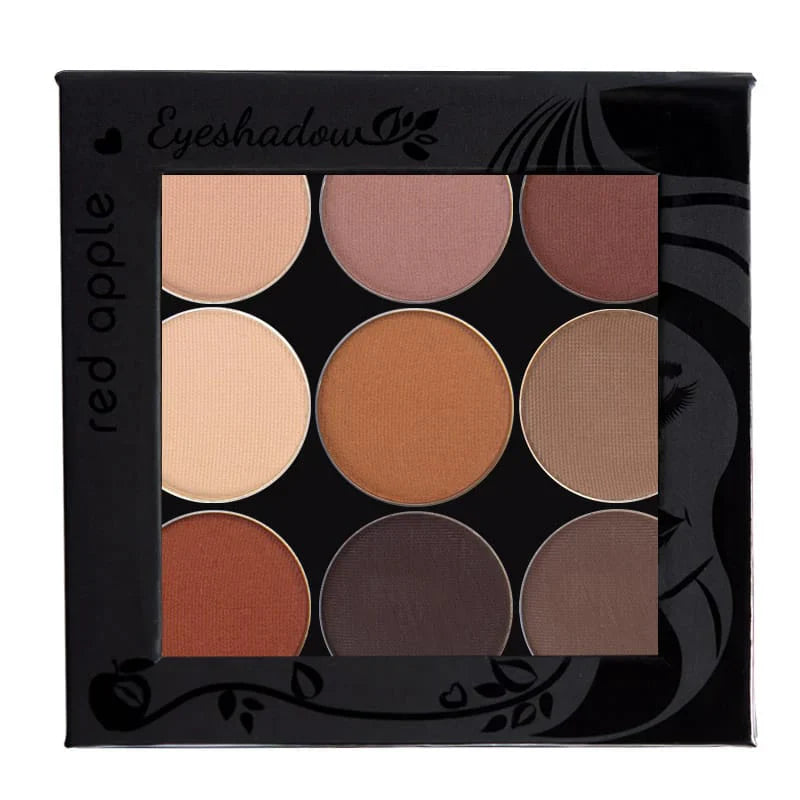
Refreshing your routine with cleaner, well cared for products can help. Once your eye is fully healed and your doctor says makeup is safe again, consider choosing gentle options like talc free eyeshadows for sensitive eyes and gluten free eye liner that are easy to remove at the end of the day.
Eye makeup, mascara, and styes

Can you wear eye makeup with a stye?
A stye is usually the result of inflammation and infection in or near an eyelash follicle. It can appear on the upper or lower eyelid, and many resolve within a few days to a week. During that time, it is very important to protect your eye.
- Avoid wearing eye makeup while you have an active stye or chalazion, unless your doctor tells you otherwise.
- Wash your hands thoroughly and often, and keep them away from your eyes.
- Do not squeeze or pop the bump. Let your eye care professional decide how and when it should drain.
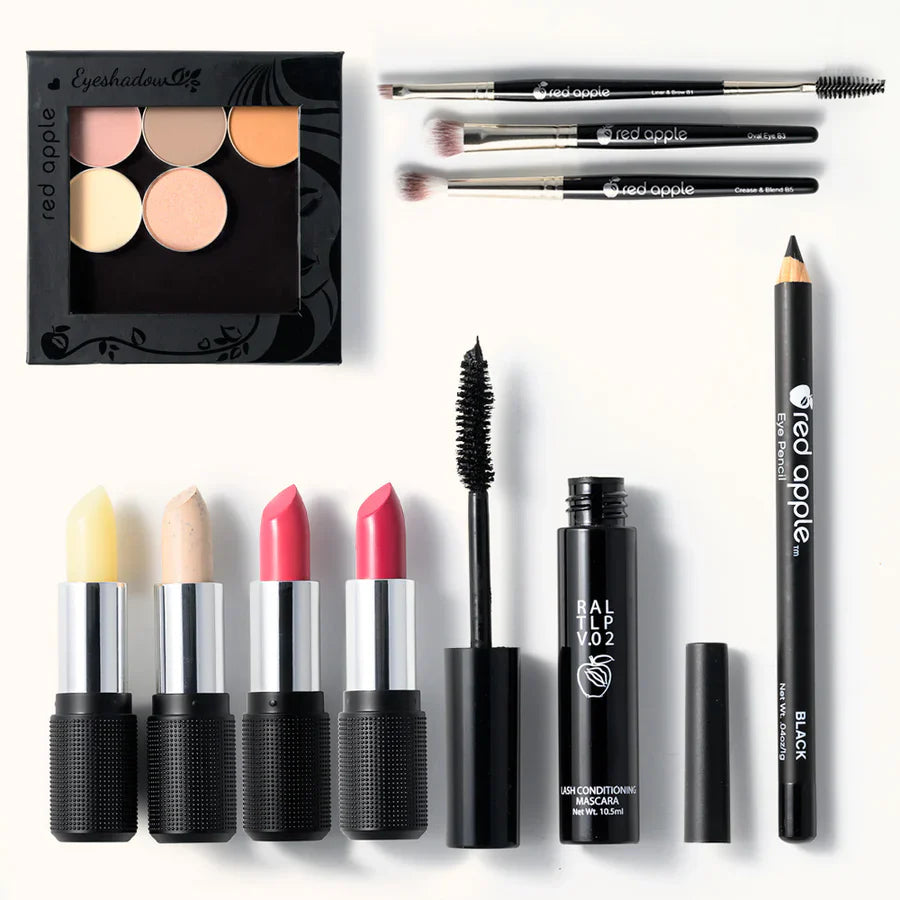
Once your eye has completely healed and your doctor gives the all clear, start fresh with new products. Swap old items for gentle staples from our eyes collection so your next eye look feels beautiful and well supported.
Can mascara give you a stye?

Our skin and eyelids naturally host friendly bacteria, but some types can cause infection when they overgrow. Old mascara, shared mascara, or tubes that touch irritated lids can collect bacteria over time. If that bacteria reaches the glands along your lash line, it can contribute to a stye.
To lower your risk:
- Do not share mascara with anyone.
- Replace mascara regularly according to the product instructions.
- Remove mascara completely before bed using a gentle cleanser.
When your eyes are fully healed and your doctor approves, you can switch to a fresh tube of a gentle formula like our Hypoallergenic Lash Project Mascara, and treat it as a personal item you never share.
Does eyeshadow cause styes?

Eyeshadow itself does not automatically cause a stye, but older products can break down over time. As ingredients age and are repeatedly exposed to air, brushes, and skin, bacteria can build up in the pan.
When shadow particles sit along the lash line all day and are not fully removed at night, they can also clog oil glands. That combination of residue plus bacteria can make styes more likely.
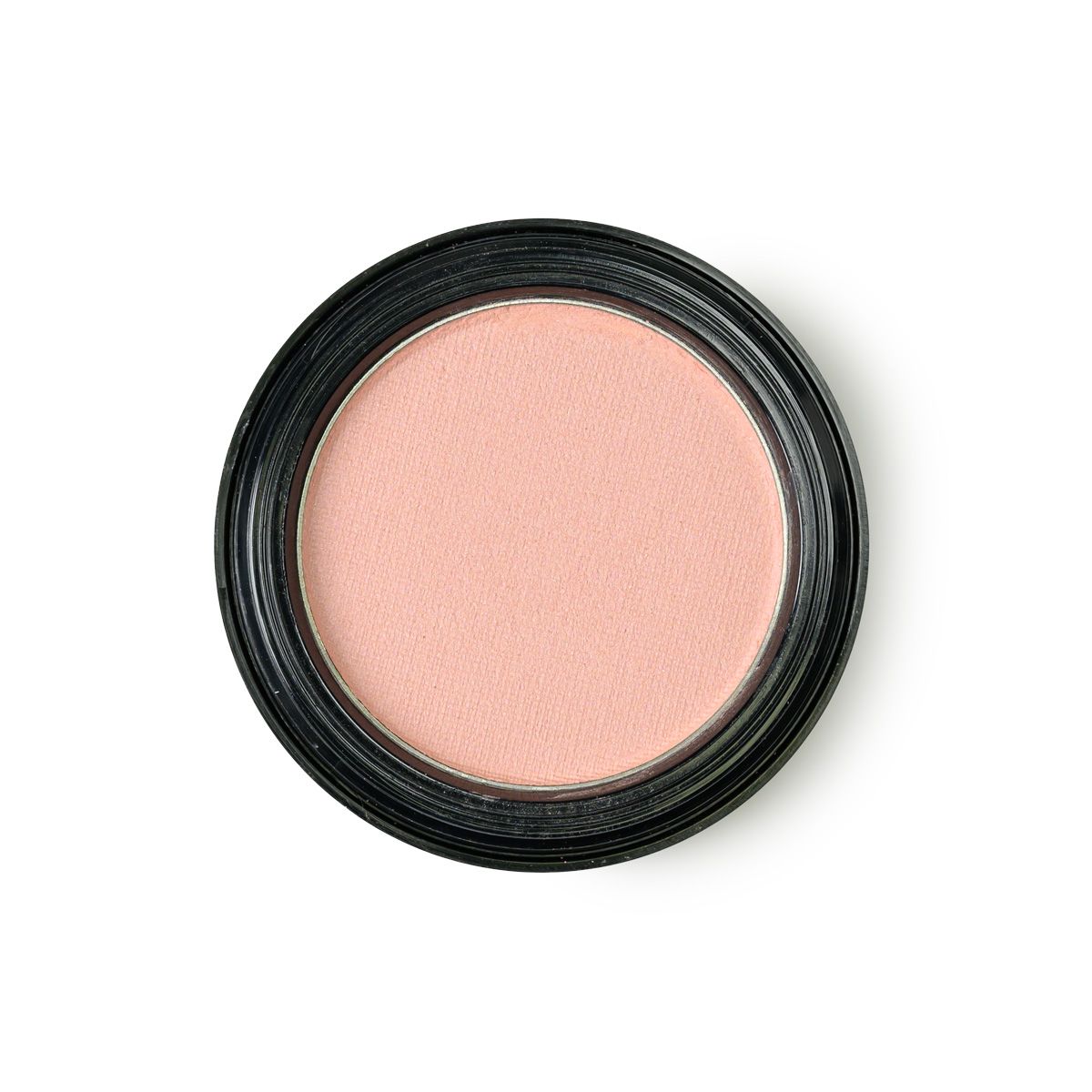
Once your eye is healthy again and you are ready for color, choose fresh, gentle formulas like our customizable eye shadow palette and talc free eyeshadows, and remove them completely every night.
Can I wear an eyepatch with a stye?

Styes are not only uncomfortable but also very tempting to touch or rub. Some people find that wearing a clean eyepatch for short periods, especially while sleeping, can help them avoid scratching the area. Always ask your doctor before covering the eye so you can be sure it is safe in your specific case.
How to help prevent a stye

There is no guaranteed way to prevent every stye, but small daily habits can reduce the chance of eyelid infections and clogged glands.
- Wash your hands often with soap and water, and avoid rubbing your eyes.
- Do not share towels, pillowcases, or makeup with someone who has an eye infection.
- Clean your lash line gently if you have blepharitis or oily lids, following your doctor’s directions.
- Wash brushes regularly and let them dry completely. Vegan brushes are usually easier to clean thoroughly.
- Remove all eye makeup every night, including liner along the lash line and mascara near the roots.
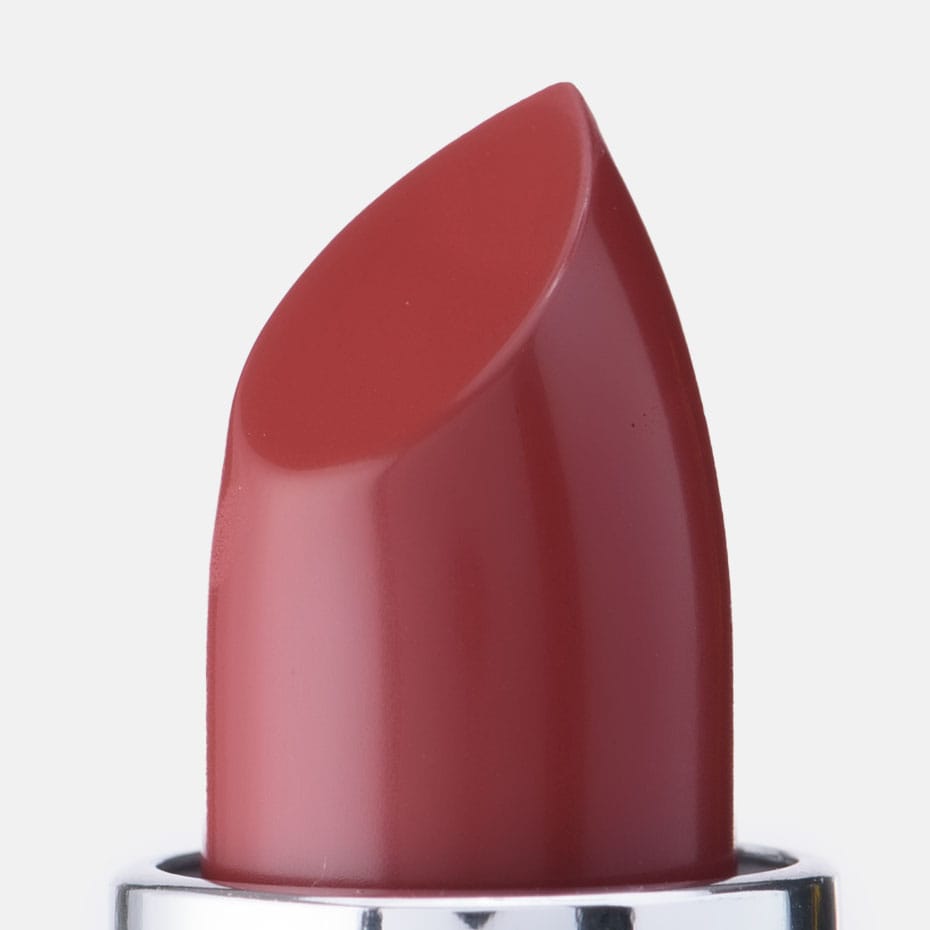
On days when you are letting your eyes rest, you can still feel polished by focusing on lips and cheeks. Reach for soothing options from our lip care for dry lips collection, hydrating color from our hydrating lipsticks, or a soft glow from our talc free blush collection.
How do you get rid of a stye quickly?

No one wants a red bump on their eyelid. While most styes will not vanish overnight, some simple steps can support healing. Always discuss these with your doctor, especially if you have other eye or health conditions.
- Warm compresses. Many eye care professionals recommend warm compresses placed over the closed eye several times a day to help loosen oil and encourage drainage.
- Careful lid cleansing. Using a mild, tear free cleanser such as diluted baby shampoo or a lid wipe recommended by your doctor can help keep the area clean.
- Pain relief if needed. Over the counter pain relievers can sometimes help with discomfort. Ask your doctor or pharmacist which options are safe for you.
- No eye makeup or contacts. Give your eye a complete break from mascara, liner, and shadow. Switch to glasses until your doctor says it is safe to wear contacts again.
- Medicated drops or ointments. In some cases your doctor may recommend or prescribe drops or ointments. Always use these exactly as directed.

Some people also explore gentle eye drops designed for irritation. Talk with your eye doctor before adding anything new so you can be sure it is appropriate for your specific situation.
When to see a doctor
Most small styes and chalazia will improve over time, especially if you are careful with hygiene and follow your doctor’s advice. Still, it is very important to get medical help if:
- The bump is very painful, affects your vision, or keeps getting larger.
- The redness and swelling spread beyond the eyelid to your face.
- You develop a fever or feel generally unwell.
- The bump does not start to improve within a few days, or does not clear within a few weeks.
- You keep getting styes or chalazia repeatedly.
Your eye care professional can confirm what is going on and discuss next steps, which might include drainage or other treatments if home care is not enough.
FAQs
How can I tell if I have a stye or a chalazion?
Styes are usually tender, red bumps that sit right at the lash line and feel sore to the touch. Chalazia tend to be firmer, less painful lumps that sit a little farther back on the lid. Only an eye care professional can tell you for sure, so always get a proper exam.
Do I have to throw away my mascara after a stye?
Many doctors recommend replacing mascara and eye products that were used around the time of an infection. Once your eye has healed, open a fresh tube such as our Hypoallergenic Lash Project Mascara and keep it just for you.
When is eye makeup safe again after a stye or chalazion?
Wait until the bump is completely gone and there is no redness, tenderness, or discharge. Then ask your doctor if it is safe to start wearing eye makeup again. When you do, reach for gentle products from our eyes collection and wash everything off thoroughly at night.
What about my brushes and tools?
Clean brushes and tools are just as important as clean makeup. Wash your tools often, and consider updating to easy to cleanse brushes from our vegan makeup brush collection and a dedicated vegan lip brush for lip products.
How can I still feel put together while my eye heals?
Lean into glowing skin, soft cheeks, and hydrated lips. Explore talc free blush shades, a hint of warmth from Sundrop Bronzer, and lip smoothing staples like Lip Exfoliate followed by Rallye Balm or a soft gloss from our gluten free lip gloss collection.
Quick recap
- Chalazia and styes are common eyelid bumps, but they behave a little differently.
- Good hygiene, fresh makeup, and clean tools help protect your eyes.
- Always let an eye care professional guide diagnosis and treatment.