
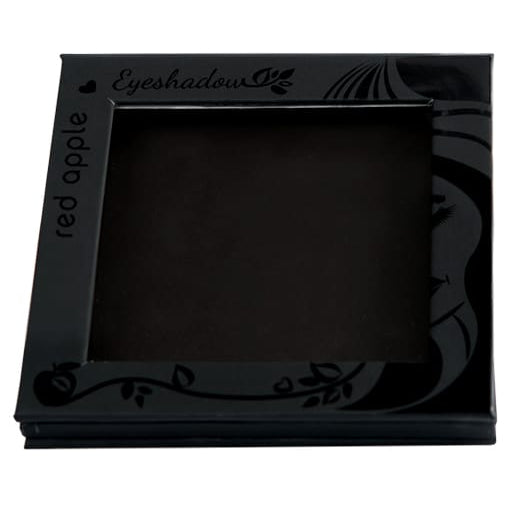

Eyeshadow Looks: Easy Talc-Free Ideas For Sensitive Eyes Using Red Apple Lipstick
Want fresh eyeshadow looks that are easy, flattering, and friendly to sensitive eyes? This guide walks you through quick shade picks, step-by-step mini tutorials, expert safety tips, and the exact talc-free singles to click and add to your palette.
Table of Contents
Why These Talc-Free Eyeshadow Looks Work
RAL singles are buildable and smooth, which makes soft blending simple. Many readers with easily irritated lids say satin and matte neutrals give polish without sparkle fallout. One Reddit user shared that pressing shimmer with a fingertip kept the glow while reducing mess, and another noted that a taupe transition shade makes every look feel effortless.
Back to Table of Contents ↑Quick Shade Finder
- Everyday base: Porcelain or Buttercream.
- Lift and brighten: Champagne or Golden Ticket.
- Soft depth: Tip Taupe, Like U Latte, Brownie Points.
- Definition and liner: Espresso or Black Magic.
- Statement color: Olive This Color, Violet Vixen, Bronze Bombshell.
8 Easy Eyeshadow Looks
1) Soft Taupe Everyday
Wash Twinkle Taupe across the lid, add a hint of Like U Latte in the crease, then tap Champagne on the inner corner.

2) Warm Bronze Halo
Place Bronze Bombshell on the center of the lid, surround with Chocolate Martini, and soften edges with Brownie Points.

3) Cool Smoky Taupe-Gray
Blend Clean Slate through the crease, lid in Taken For Granite, and press Graphite Glam near the lashes.

4) Soft Plum Lift
Swipe Plums Up on outer lid, blend with Violet Vixen through the crease, and pop inner corner with Innocence.

5) Modern Olive
Lid in Olive This Color, crease with Dirty Girl, and a thin wing using dampened Espresso.

6) Classic Liner and Lift
Base with Porcelain, crease in Yes You Canyon, then tightline and wing using Black Magic.

7) Sunlit Everyday Glow
Lay down Sand Castle on the lid, blend with Like U Latte, and tap Golden Ticket center lid.

8) Night Smoky
Smudge Minx on the lid, deepen outer third with Hello Darkness, and brighten inner corner with Iced Mocha.

Pro Tips For Smooth, Crease-Resistant Wear
- Use a true eye base and set lightly with Porcelain before color. Press shimmers with a fingertip to reduce fallout, a tip many forum users swear by.
- Keep tools clean and retire old eye products on schedule. The American Academy of Ophthalmology notes to throw away eye makeup around three months to reduce risk of irritation or infection in its safety guidance.
- Do not use products near eyes unless they are intended for the eye area. The FDA repeats this advice and warns against adding water or saliva to mascara in its eye cosmetic safety page.
- If you notice redness or itching, the AAD suggests that it could be contact dermatitis and that patch testing may help identify triggers. See their contact dermatitis overview and patch testing guide.
Ingredient Spotlight
Our talc-free eyeshadows feature finely milled pigments and texture smoothers for blendability and payoff. Key components include Mica, Titanium Dioxide, Octyldodecyl Stearoyl Stearate, Zinc Oxide, Ascorbic Acid, and Silica. Shades may contain iron oxides and ultramarines for color. See individual pages for full lists.
Bullet Summary
- 8 quick eyeshadow looks you can do in minutes.
- Talc-free singles designed for smooth blending and buildable color.
- Safety tips linked from ophthalmology, dermatology, and FDA resources.
- Easy add-to-cart links for each look.
FAQs
How do I keep eyeshadow from creasing?
Prime lids, set with a sheer layer of a light matte like Porcelain, then apply thin layers of color. Press shimmers with a fingertip and avoid heavy creams if your lids are oily. Finish by gently setting edges with a small amount of powder.
Are these shades suitable for sensitive eyes?
They are talc-free singles chosen by many customers with easily irritated lids. Always follow safe use guidance from ophthalmology and FDA resources and discontinue use if irritation occurs. Helpful reading: eye makeup safety and the FDA’s eye cosmetic Q&A.
How often should I replace eye products?
The AAO advises tossing eye makeup on a regular schedule to limit contamination and to discard products immediately after any eye infection. See its practical tips on this page.
What if I develop a rash on my eyelids?
The AAD notes that itchy rashes in this area can be contact dermatitis. A dermatologist may suggest patch testing to find triggers. Learn more in the AAD’s overview and patch testing guide.