

Makeup For Sensitive Eyes | Hypoallergenic Eye Makeup Tips For Irritation Prone Eyes
Does this scenario sound familiar? You finish your eye makeup for the day, your shadow blend looks amazing, your mascara is on point, and your eyeliner wing is ready for its close up. Everything looks great until the stinging, itching, burning, redness, or nonstop watering starts.
You know the reaction. Your eyes suddenly feel uncomfortable, look red and watery, and your beautiful eye look no longer feels worth it.
If this happens often, you are probably dealing with sensitive eyes. The good news is that you do not have to give up makeup. You simply need to troubleshoot, avoid common irritants, and switch to eye makeup that plays nicely with your sensitive eyes.
In this guide you will learn how to:
- Spot the most common eye makeup triggers for sensitive eyes.
- Know what to do when irritation happens.
- Choose hypoallergenic shadows, liner, and mascara that are easier on your eyes.
- Clean up your routine with safer habits and tools.
Why Your Eyes Are So Sensitive To Makeup
Why are my eyes so sensitive to makeup?
The skin around your eyes is very delicate. It is thinner than most other areas of your face and it does not produce much natural moisture. Because of that, anything you apply around your eyes is absorbed more quickly and can cause a stronger reaction.
When eye makeup is made with harsh or irritating ingredients, your body can treat those ingredients like an unwanted invasion. That can lead to burning, stinging, itching, redness, swelling, or even a rash on your eyelids or along the lash line.
What you are experiencing may be an allergic or irritant response that can develop or worsen over time. Some people wear eye makeup for years without issues, then suddenly their eyes react because their sensitivity has increased with repeated exposure.
What ingredients can cause this reaction?
Unfortunately, some of the biggest offenders show up in many popular eye makeup formulas. Common irritants that can bother the eyelids and eye area include certain preservatives, parabens, plasticizers, aluminum, colorants, synthetic fragrances, nickel, lead, sulfates, beryllium, cadmium, talc, selenium, poorly filtered micas, and glitter.
It can be surprising, but some eye shadow palettes even include added fragrance so that the product smells pleasant when you open it. For sensitive eyes, that nice scent can be a major trigger.
You might also discover that you react to some base ingredients such as certain waxes, talc, lanolin, some types of oils, and other fillers that help give products texture or staying power.

What To Do When Makeup Irritates Your Eyes
What should you do if your eyes react to makeup?
First things first. If you get eye irritation from a particular eye shadow, liner, or mascara, stop using that product. Eliminating the product that caused the reaction is the safest choice if you want to protect your eyes and prevent the problem from escalating.
If irritation happens often, speak with an eye doctor when you can. Reactions can show up in different areas, such as the upper eyelids, lower eyelids, lash line, or even as itching around the eyelashes themselves. An optometrist or ophthalmologist can help you sort out whether you are dealing with an allergy, dryness, or another eye surface problem.

If you wear contact lenses, take extra care. Try not to let powder particles get under your lenses. The tiny particles are perfectly sized to scratch the surface of the eye and they can stick to contacts easily. That combination can create a lot of discomfort for sensitive eyes.
What Is Hypoallergenic Eye Makeup?
What is hypoallergenic eye makeup and will it help?
Hypoallergenic makeup is a general term for cosmetics that are formulated with fewer allergenic ingredients. These products are created with the intention of being better tolerated by people with sensitive skin and sensitive eyes.
It is important to know that this term is loosely regulated. Not every product labeled “clean” or “hypoallergenic” is completely free of problematic ingredients. You still want to read ingredient lists and pay attention to how your eyes feel after each use.

Generally, hypoallergenic eye makeup is designed to be easy to remove. For many people, gentle removers such as micellar water and lukewarm water work well. The easier it is to cleanse your eye area without aggressive rubbing, the kinder it will be to sensitive skin.
The Best Eye Makeup For Sensitive Skin And Sensitive Eyes
What is the best eye makeup for sensitive skin and eyes?
Simply put, the best makeup for sensitive eyes is made with your sensitivities in mind. Hypoallergenic labels are a helpful start, but it is even better to choose brands that deliberately formulate for irritation prone eyes and skin.
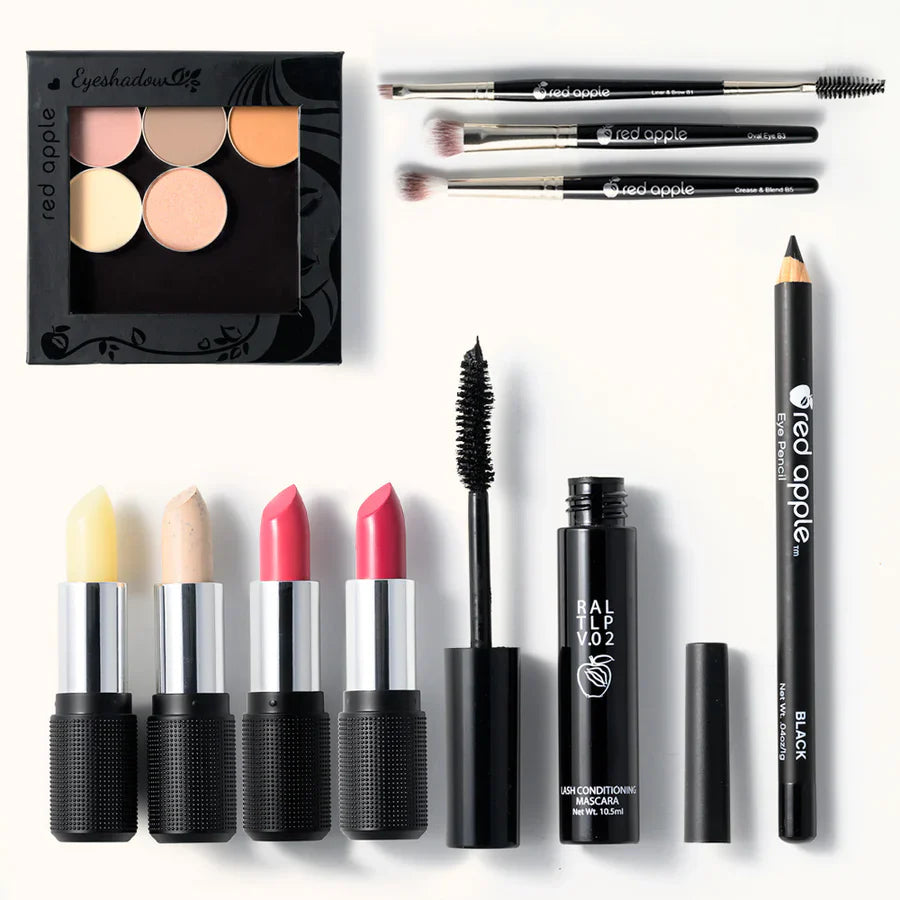
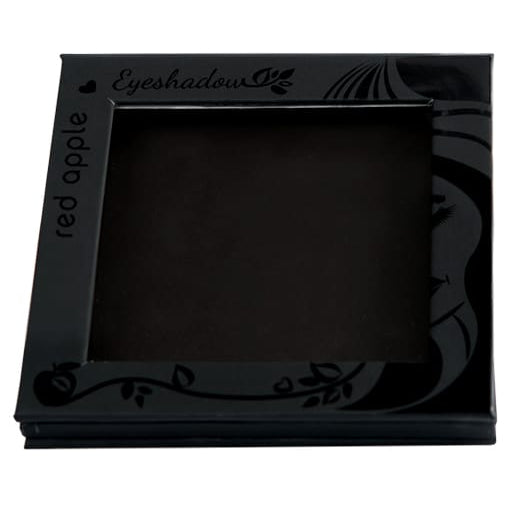
Red Apple Lipstick focuses on cleaner mineral formulas for people with sensitivities and even allergies related to auto immune issues. The goal is to create eye makeup that feels beautiful to wear without forcing you to sacrifice comfort.
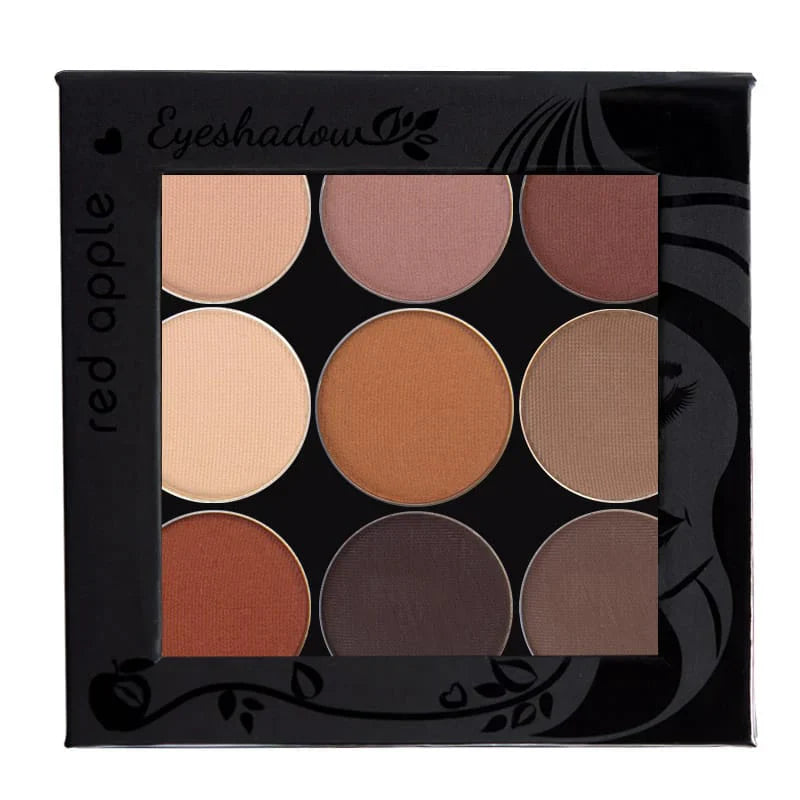
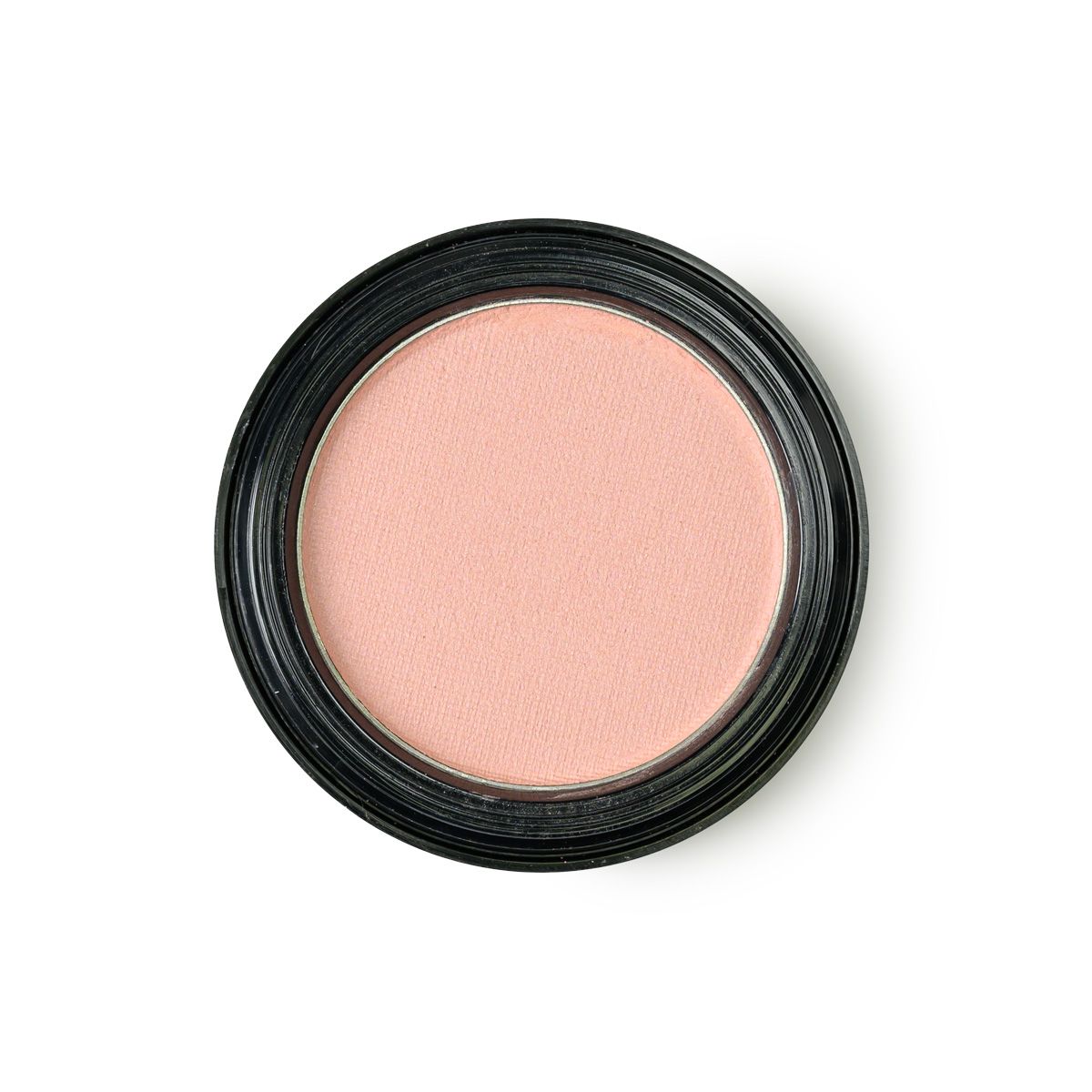
Our collection of talc free eyeshadows for sensitive eyes pairs beautifully with Prime Time Eye Primer to help shadows apply smoothly and stay in place without loading your lids with heavy ingredients.
When you want definition without extra irritation, reach for gluten free eyeliner and our hypoallergenic Lash Project mascara. Both are designed with sensitive eyes in mind and work seamlessly with the rest of the Red Apple eye collection.
To complete your routine, soft vegan tools from our vegan makeup brushes collection help you apply and blend products without scratching or tugging fragile skin around the eyes.
Can Long Term Use Of Eye Shadow Cause Problems?
According to Tamara Petrosyan, OD, of New York, New York, dry eye problems have become more common in recent years. In an article written for Women In Optometry, she explains how frequent cosmetic use around the eyes can contribute to discomfort and changes on the eye surface.

"We spend around ten billion dollars a year on cosmetics, beauty supplies, and perfume in America. While we are busy trying to look our best, we sometimes forget that some of these products can lead to harm."
She has noticed a rise in contact dermatitis, discomfort, eye pain, a feeling of something in the eye, eye fatigue, redness, itching, excessive tearing, light sensitivity, swollen eyes, and even changes in vision. Eye cosmetics can migrate onto the ocular surface and into the tear film.
Tamara Petrosyan, OD, of New York, New York
This does not mean you must avoid eye makeup forever. It does mean that choosing gentler formulas, applying them carefully, and replacing products regularly can help protect the health of your eyes over time. If you notice ongoing symptoms, schedule a visit with your eye doctor.
6 Makeup Tips For Sensitive Eyes
Tip 1: Use the right tools and keep them clean
Instead of using your fingertips, apply eye makeup with soft bristled brushes. This gives you more control over where product lands and helps keep oils, bacteria, and possible irritants from your hands away from your eye area.
- Choose soft, gentle brushes that do not scratch your skin.
- Use dedicated brushes for eye shadow, blending, and smudging.
- Wash brushes regularly with a gentle cleanser and let them dry completely.
Dirty tools can collect dust, allergens, and microbes that easily transfer to your eyelids. Freshly cleaned brushes are your sensitive eyes’ best friend.
Tip 2: Never share or swap your eye makeup
Sharing mascara, eyeliner, or shadows may seem harmless, but it is not a safe practice. Swapping products or tools can spread bacteria, viruses, and mites from one person to another. If a shared brush or wand comes into contact with infected skin or eyes, it can lead to an eye infection.
Keep your eye products personal and remind friends to do the same. It is an easy step that can prevent a lot of irritation and discomfort.
Tip 3: Remove eye makeup gently every night
Even the best eye makeup can bother sensitive eyes if you leave it on too long or sleep in it. Make it a habit to remove all eye makeup every night with products that are gentle and fragrance free.
- Use a soft cotton pad or clean cloth instead of rough tissues.
- Press and hold remover briefly, then swipe gently instead of scrubbing.
- Rinse with cool or lukewarm water to remove any leftover residue.

Avoid tugging on the skin around your eyes. Gentle removal helps preserve your delicate eye area and reduces the chance of irritation or broken capillaries.
Tip 4: Keep makeup away from the eyeball
It sounds obvious, but it is easy to get too close to the actual surface of the eye while applying liner or mascara. A direct hit on the eyeball can contaminate contact lenses, scratch the cornea, or introduce bacteria that cause infections such as conjunctivitis.
If you feel that you may have scratched your eye or if you notice pain, light sensitivity, or changes in vision, contact your ophthalmologist promptly so your eyes can be examined and treated if needed.
Tip 5: Avoid lining the inner lid if you are sensitive
Researchers at the University of Waterloo found that eyeliner applied along the inner rim of the eyelid can migrate directly into the tear film. Particles moved into the eye much more when liner was placed on the inner lid compared with liner applied only outside the lash line, especially along the lower lashes.
If your eyes are sensitive, keep eyeliner on the skin just outside the lashes rather than directly on the inner rim. This still gives you definition while reducing the amount of product that ends up on the eye surface.
Tip 6: Do not keep eye makeup for years
Bacteria build up easily on eye shadows, mascaras, and cosmetic tools. Moisture, sebum, dead skin cells, and tiny mites can all collect on wands, brushes, and applicators over time. Microbes such as P. aeruginosa can be damaging to your eyes and corneas.
- Replace mascara every three months, six at the very longest.
- Consider replacing liquid liners on a similar schedule.
- Watch powder shadows and replace them if they change in smell, texture, or performance.
A light spritz of rubbing alcohol on powder shadows (avoiding creams and liquids) can help reduce bacteria on the surface, but it is still important to replace products regularly and store them in a cool, dry place.
Bonus Tip 7: Invest in better quality formulas
If you wear contacts or have particularly reactive eyes, high quality eye makeup becomes even more important. If your eyelids become itchy, red, or rashy, it is time to look for brands that understand how to formulate without low cost ingredients that trigger so many reactions.
“Natural” on a label does not automatically mean allergen free. Look for brands like Red Apple that work closely with experts who understand skin sensitivities and formulate specifically with those concerns in mind.
Bonus Tip 8: Consider allergy testing
Patch testing can be simple, relatively inexpensive, and very revealing. If you have ongoing issues with sensitive eyes, your dermatologist or allergist may be able to test for specific cosmetic ingredients so you know exactly what to avoid in future products.
Quick recap
- Your eye area is delicate, so harsh ingredients show up quickly as irritation.
- Switch from old, irritating formulas to hypoallergenic shadows, liner, and mascara made for sensitive eyes.
- Clean tools, gentle removal, and regular product replacement make a huge difference.
- When in doubt, talk with your eye doctor and consider allergy testing for long term relief.
FAQs About Makeup For Sensitive Eyes
How do I know if I have sensitive eyes?
You may have sensitive eyes if you often experience burning, stinging, redness, watering, or itching after using eye makeup, even when you apply it carefully. If symptoms continue after you remove products, check in with your eye doctor for a proper evaluation.
Can I still wear eye shadow if most brands irritate my eyes?
Yes. Many people with sensitive eyes can still enjoy eye shadow by avoiding known triggers, choosing talc free and fragrance free formulas, and using hypoallergenic products like talc free shadows for sensitive eyes applied with clean, soft brushes.
Which products should I start with if my eyes are very reactive?
Begin with one change at a time. For many people, switching to a gentle mascara such as our Lash Project mascara and a clean, simple liner from our gluten free eyeliner collection makes a noticeable difference.
How should I remove eye makeup if my eyes are sensitive?
Use a mild, fragrance free remover and soft cotton pads or cloths. Press gently on closed eyes, then wipe outward without scrubbing. Rinse with cool water and pat dry. Avoid harsh soaps or strong rubbing, which can inflame the thin skin around your eyes.
When should I see an eye doctor about makeup irritation?
See an eye doctor if you have severe pain, light sensitivity, blurred vision, discharge, swelling, or symptoms that do not improve after you stop using a product. An optometrist or ophthalmologist can rule out infection, allergy, or other eye surface problems.