

A Beginner's Guide To Makeup Do's and Don'ts | Red Apple Lipstick
Looking to enhance your makeup skills? This beginner friendly guide to makeup do's and don'ts walks you through simple tips that actually make getting ready easier. You will learn how to avoid common mistakes, choose beginner friendly products, and build a routine that feels flattering instead of overwhelming.
Makeup is a fun way to express yourself, but no one is born knowing how to apply it. If you are new to makeup, the idea of doing a full face can feel confusing, especially when every tutorial seems to use ten products and a desk full of brushes.
Maybe you are not sure where to start, which products work for your skin type, or how to apply makeup so it enhances your features instead of hiding them. If that sounds familiar, you are in the right place.
Below you will find beginner friendly tips that will improve your makeup application step by step, plus gentle, clean options from Red Apple Lipstick for sensitive lips, eyes, and skin.
- Start with a small, smart makeup kit instead of buying everything at once.
- Focus on clean skin, soft brows, and simple lips, cheeks, and lashes.
- Use gentle, gluten free options that are kind to dry or sensitive skin and lips.
Table of Contents
Makeup Don'ts: Common Beginner Mistakes
Don't Buy a Lot of Products
When you are a makeup beginner, the last thing you need is a huge assortment of products. It is easy to spend a lot of money on makeup and tools, then end up miserable with everything you bought.
You do not need every sponge, eyelash curler, and contour palette on the shelf. You can always add tools and extras later once you know what you will actually reach for.
What you need instead is a simple kit for everyday makeup that fits your life.
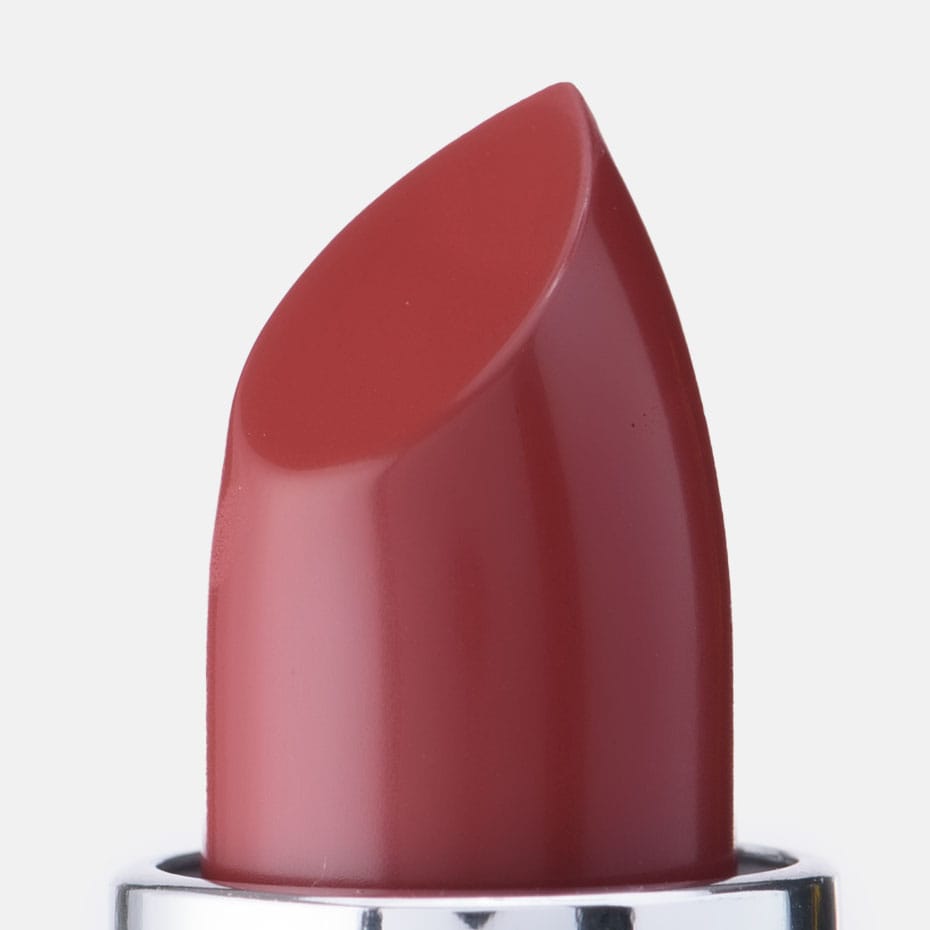
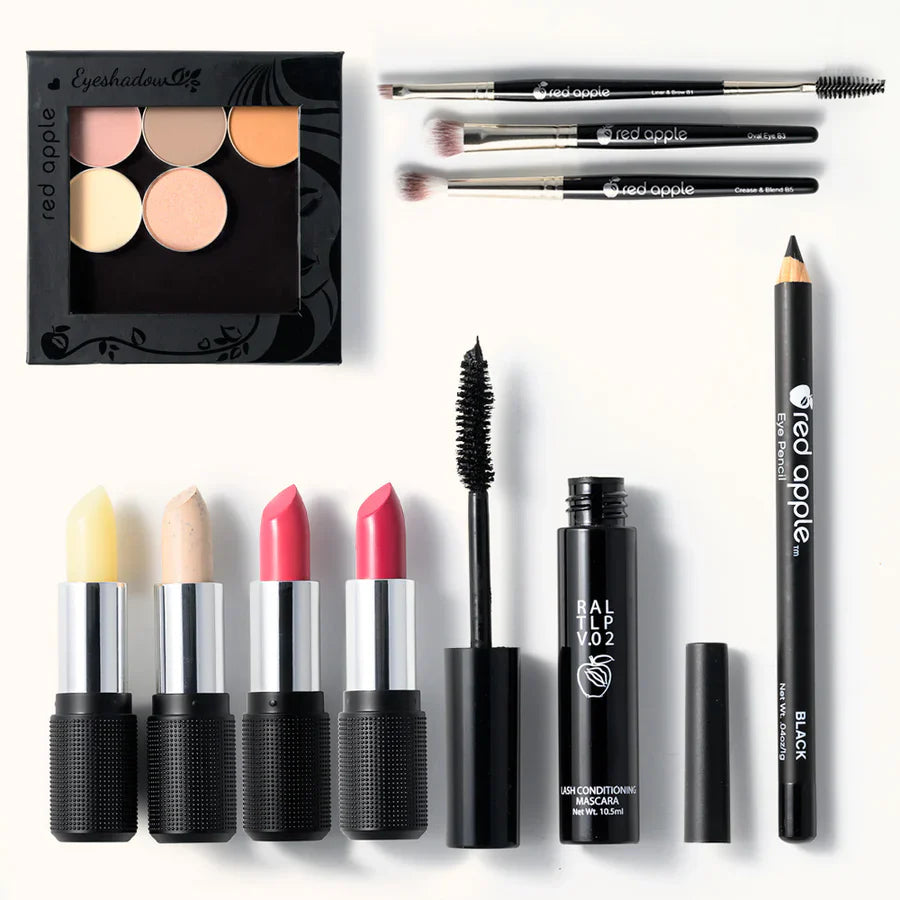
Instead of buying everything from eyelash primer to finishing spray, start with the basics. Every beginner makeup kit can start with a good mascara and one to three hydrating lipsticks. Many people like to have a "my lips but better" shade, a brighter color, and a bold wow shade.
As you get more comfortable with applying makeup, slowly increase your selection of lipstick colors and venture into eyeshadows, blushes, foundations, and more. When you are a true beginner, start with one or two products you love and build from there.
Don't Apply Makeup to a Dirty Face
Applying makeup on top of old makeup or a dirty face is an invitation for clogged pores and breakouts. It can also make your makeup look patchy or dull.
Try not to apply complexion products over makeup that has been sitting on your skin for hours. The one exception is lipstick. You can reapply lipstick or gloss, especially if you give your lips a quick clean first.
A fast refresh can be as simple as wiping lips with a damp cloth, then smoothing on Lip Exfoliate Stick and following with Rallye Balm before reapplying your lip color.
For foundation, tinted moisturizer, and powder, remove what you are wearing first and give your skin a moment to breathe before applying a fresh layer.
Don't Use Dirty Brushes To Apply Your Makeup

Of all the helpful makeup tips, this is one of the easiest to overlook. It is simple to neglect brush care. Unless you schedule time to clean them, brushes usually do not cross your mind until it is time to apply makeup.
Using dirty makeup brushes can introduce bacteria to your skin and lips. Instead of taking the risk, set aside a regular time, like once a week, to wash them.
To clean your brushes, fill a small bowl with warm water and a couple of squirts of a gentle shampoo or cleanser. Submerge and swirl the brush in the soapy water, loosening dried makeup with your fingers if needed. Rinse under warm water and lay flat on a clean towel to dry.
Brushes are some of the most helpful makeup supplies for beginners, so it is okay to have more than one of your favorites. That way some can be in use while others are drying. You do not need luxury brushes, but you also do not need the cheapest options either. Quality, mid range vegan makeup brushes are a great place to start.
Don't Skip Your Eyebrows
Eyebrows frame your face and can make a big difference in how polished your makeup looks. When brows are filled in softly and intentionally, they complete the whole look.
If you have the time, fill in your brows. You can use a matte eyeshadow or brow product to fill sparse areas. The key is to keep it soft and natural.
Avoid using a shade that is too dark for your brows, which can create a harsh or cartoon like effect. Choose a color close to your natural brow shade or slightly lighter. If your brows are very light blonde, you can go a bit deeper to add definition.
Don't Create Fake Brows
While you should not ignore your brows, you also do not want to draw on heavy, fake looking ones. Overly large, sharply drawn brows can look like furry caterpillars and distract from your face.
Instead, work with the natural shape of your brows and focus on light definition. This is especially important if you wear foundation, since base products can make brows look washed out.
Don't Sleep In Your Makeup
At the end of a long day, it is tempting to go to bed with your makeup still on. Try to resist. Sleeping in makeup can clog pores, cause irritation, and even stretch and enlarge pores over time as product settles into them.
Makeup left on overnight can also dry out your skin because it keeps your skin from rebalancing itself. A simple cleanse, even with a gentle makeup wipe followed by cleanser, is worth the extra minute.
Don't Pump Your Mascara
Pumping the mascara wand up and down in the tube is a common habit, but it does more harm than good.
That pumping motion pushes air and bacteria into the tube, which can dry the formula out faster and increase the chance of irritation. It also makes clumpy lashes more likely.
If you want more mascara on your wand, swirl it gently inside the tube instead. Remember that mascara should be replaced every three months, especially if you have sensitive eyes.
Back to Table of Contents ↑Makeup Do's: Habits That Always Help
Do Create a Signature Look

This is where makeup gets fun. You can create a simple signature look that feels like you. It does not need to take hours.
Your first signature look should be simple and reliable. Think in terms of beginner makeup must haves: soft eyeliner, mascara, a flattering blush, and a hydrating lipstick that makes you feel confident.
To build your confidence, start with one look you can wear almost anywhere. Use these simple guidelines:
Face - To find the right shade of foundation, match to your chest rather than the back of your hand. You can also skip foundation and use a tinted moisturizer for a lighter feel. Add warmth later with a soft bronzer like Sundrop Bronzer if you like.
Eyes - Pair a subtle eyeliner with mascara for definition. Fill in your brows softly so they frame your face.
Lips - Choose a lipstick that flatters your skin tone. For a classic signature lip, you might love a bright or bold shade. For daily wear, look closely at your natural lip color and pick a lipstick a touch deeper or richer for an easy go to shade. You can use a soft creamy lip pencil to gently define the natural lip line, then blend with a vegan lip brush for a smooth edge.
Cheeks - Apply a talc free blush to the apples of your cheeks and gently blend back toward your hairline. This brings color and life back to the face, especially if foundation made your skin look too flat.
Do Apply Makeup In Natural Light
Whenever you can, apply your makeup in natural light. It gives you the truest sense of how your makeup will look once you step outside.
Set up your makeup station near a window if possible. If you do not have access to natural light, use a good mirror instead. A vanity mirror with magnification can help you see details that overhead bathroom lighting often hides.
Do Buy Cruelty Free Cosmetics
Most people wear makeup daily, so it makes sense to choose products that are kind to you and to animals. Whenever possible, look for cruelty free, clean beauty options.
Choosing products like Red Apple Lipstick's hydrating lipsticks for dry lips, non sticky lip glosses, and talc free face products is a simple way to take care of your skin and the planet at the same time.
Do Apply Concealer After Foundation
When you are covering dark circles, redness, or blemishes, concealer is a great tool. A common beginner mistake is applying concealer first and then foundation.
Try applying foundation or tinted moisturizer first. It will already even out a lot of your skin tone. Then add concealer only where you still see discoloration. That way you use less product and your base looks more natural.
Do Blend Your Eye Shadows
If you like wearing multiple eye shadows, blending is your best friend. Sharp lines between colors can look harsh and are harder to wear every day.
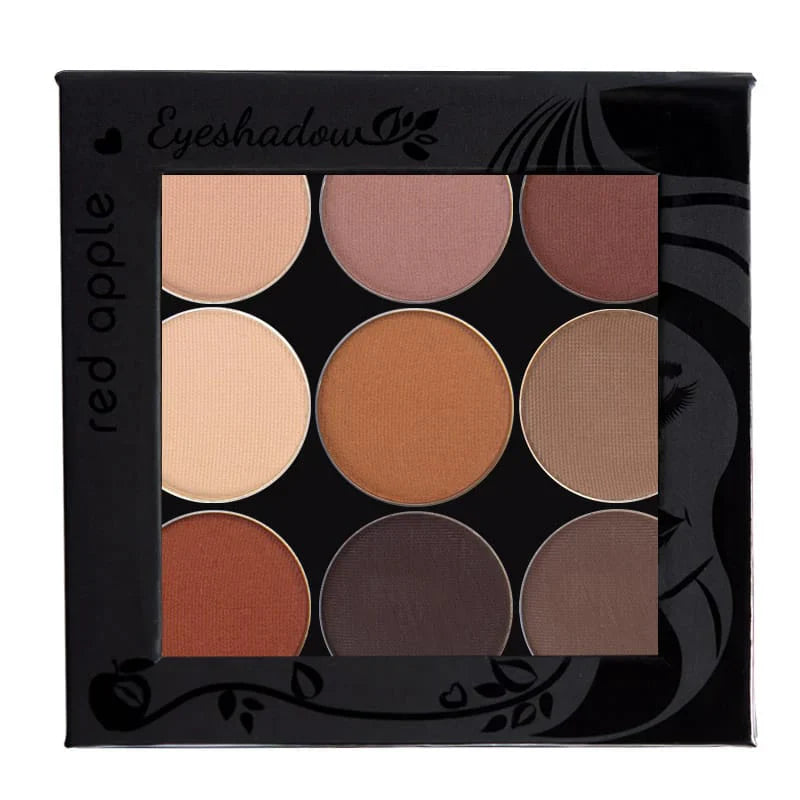
Use a soft, fluffy brush from your favorite vegan makeup brush set to blend the edges where two colors meet. You can keep things simple with a light shade on the inner corner, a medium shade across the lid, and a deeper shade at the outer corner and crease.
If you love customizing, you can even design your own palette with the custom eyeshadow palette builder so you always have your best neutrals in one place.
Do Pay Attention To Your Skin
Skin changes over time. Hormones, health, age, and environment all play a role. Pay attention to rashes, breakouts, itching, or redness. These can point to possible allergies or sensitivities, including to certain ingredients.
Do Use A Primer
A makeup primer creates a smoother canvas and helps your products last longer. It can also add a bit of hydration or oil control depending on what your skin needs.
For beginners, keep it simple:
- Face primer goes under foundation or tinted moisturizer to help base products glide on more smoothly.
- Eye shadow primer goes on your eyelids before powder shadow and helps prevent creasing and fading. Try a gluten free eye primer such as Prime Time Eye Primer to keep your shadows in place.
Do Follow The Right Makeup Artists
There are many inspiring makeup artists online, but not all looks are practical for daily life. If you want achievable inspiration, look at bridal and soft glam artists. Their looks have to last all day and still look beautiful in photos and in person.
Browse a trusted bridal makeup portfolio, like this bridal makeup artist gallery, to get ideas for wearable looks that still feel special.
Back to Table of Contents ↑Makeup Definitions For Beginners
Makeup beginners are often hit with a lot of new terms all at once. Use this quick reference as you build your routine.
- Skin Tone - The natural color of your skin, which can range from very fair to deep.
- Skin Type - How your skin behaves, such as dry, normal, combination, or oily.
- Lip Gloss - A liquid or semi gel lip color that usually has shine and can range from sheer to pigmented.
- Lipstick - A creamy bullet lip color made in many shades, depths, and finishes.
- Liquid Lipstick - A thicker, very pigmented lip formula that applies like a gloss but dries down.
- Eye Brush - Any brush used to apply and blend eyeshadow or liner.
- Foundation Brush - A medium sized brush used to apply and blend foundation or base products.
- Blush Brush - A larger, fluffy angled brush used to apply and blend blush for a natural finish.
- Smudge Brush - A small, dense eye brush used to smudge eyeliner or blend shadows along the lash line.
- Concealer Brush - A small brush used to blend concealer over dark circles, blemishes, or uneven spots.
- Makeup Sponge - A soft sponge used to press and blend liquid or cream products into the skin.
- Makeup Routine - The complete order of steps and products you use from start to finish.
- Base - Another term for foundation or the first layer that evens out your skin tone.
- Foundation - A product that evens out complexion and can be liquid, cream, or powder.
- Lash Line - The area right next to your upper and lower lashes.
- Upper Lash Line - The line just above your upper lashes where you apply liner or mascara.
- Lower Lash Line - The line just below your lower lashes where you might smudge a bit of liner or shadow.
- Water Line - The inner rim of your eyelids, close to the lashes.
- Apples Of Your Cheeks - The roundest part of your cheeks when you smile.
- Cream Blush - A blush that looks like a cream and blends easily into the skin for a dewy finish.
- Lip Balm - A colorless or lightly tinted treatment that moisturizes and soothes lips.
- Natural Lip Line - The edge of your lips before any makeup is applied.
- Lip Liner - A creamy pencil used to outline or softly fill in lips before lipstick or gloss.
- Lip Color - The final shade of your lips after applying lipstick, liner, or gloss.
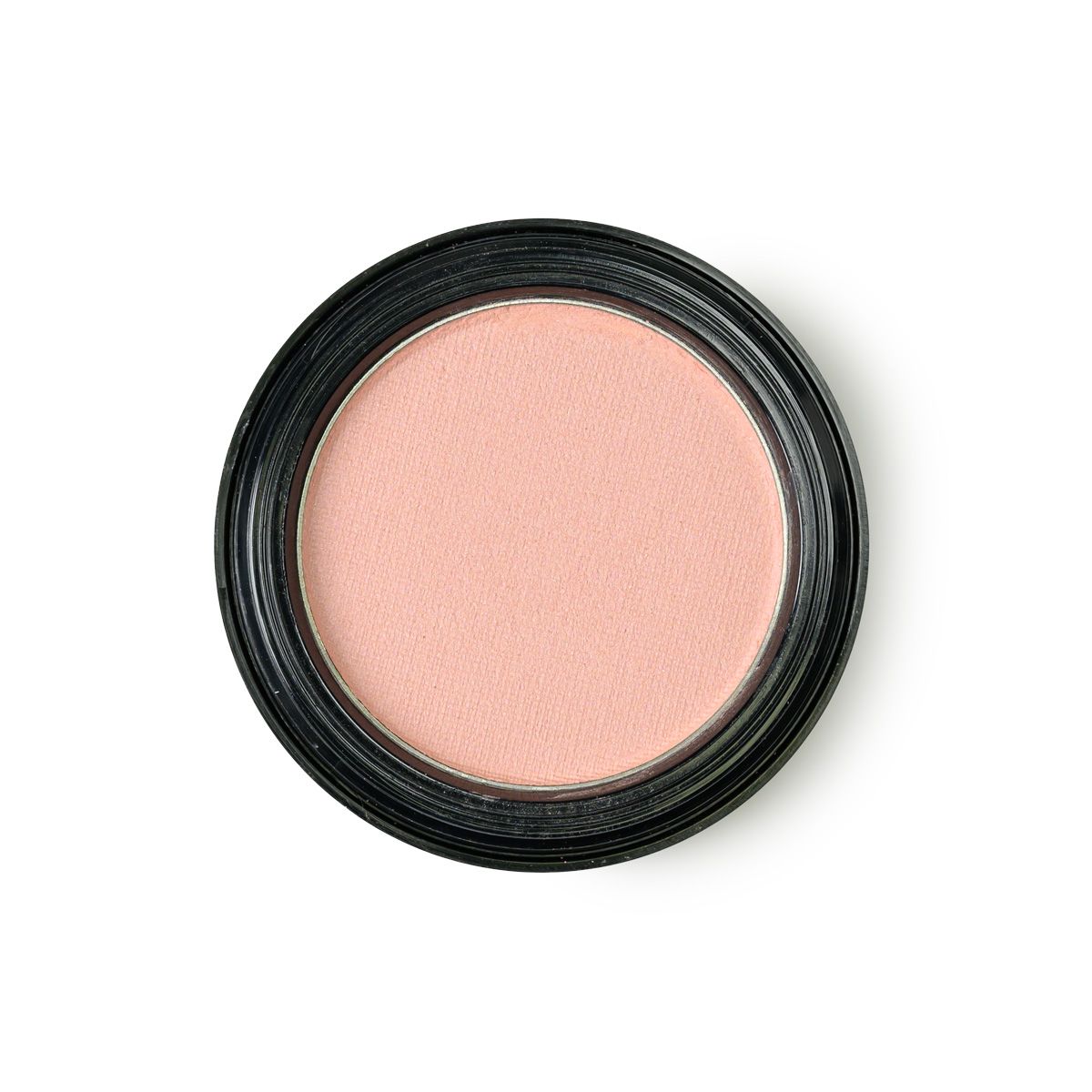
- Neutral Eye Shadow - Eyeshadow shades that are close to natural skin tones like beige, taupe, and brown.
- Outer Corner - The corner of your eye farthest from your nose.
- Inner Corner - The corner of your eye closest to your nose.
- Lash Curler - A tool used to curl your lashes upward before mascara.
- Eyebrow Pencil - A pencil used to define and fill in brows.
- Lip Brush - A small brush used to apply lipstick or gloss with precision from the tube or from samples.
FAQs
What is the simplest makeup routine for beginners?
Start with clean, moisturized skin. Add a bit of concealer where you need it, a sweep of talc free blush, a coat of mascara, and a hydrating lipstick or lip gloss. That alone can make you look refreshed and put together.
How can I build a beginner makeup bag without overspending?
Focus on multitaskers and basics. Choose one or two lipsticks for dry lips, a single creamy lip pencil that matches most of your shades, one mascara, a neutral blush, and a couple of neutral eyeshadows. You can also try lipstick samples before committing to full sizes.
What should I use if my lips are dry, chapped, or flaky?
Gently smooth away flakes with the Lip Exfoliate Stick, then apply a generous layer of Rallye Balm. Once your lips feel comfortable, you can layer on a hydrating lipstick or a soft gluten free lip gloss.
Which products are best if I have sensitive eyes or wear contacts?
Look for gentle formulas that avoid harsh ingredients. Try a soft gluten free eye liner, the Lash Project Mascara, and talc free eyeshadows. Use Prime Time Eye Primer so shadows stay put without needing heavy layers.
How do I keep my makeup looking fresh all day?
Start with clean, hydrated skin, use a light layer of primer where you need extra wear, and apply thin layers of product instead of one heavy layer. Press in foundation and concealer, use talc free powder only where you get shiny, and touch up lips with a lipstick and liner duo throughout the day.
Additional Resources
More Beginner Friendly Guides
Before you go, check out these related posts for more help building your routine:
If you want extra support choosing shades, you can explore lipstick samples and perfect lip duos to mix and match colors that flatter you.
Quick recap
- Start small with a few quality basics instead of a full drawer of products.
- Keep skin, brushes, and tools clean so makeup applies smoothly and comfortably.
- Choose gentle, cruelty free formulas that work with sensitive lips, eyes, and skin.
- Practice a simple signature look until it feels easy, then experiment when you are ready.
![FEATURED IMAGE [Red Apple Lipstick] 3:19:18 - The Five-Minute Face: 10 Tips to Speed Up Your Makeup Routine](http://redapplelipstick.com/cdn/shop/articles/FEATURED-IMAGE-Red-Apple-Lipstick-31918-The-Five-Minute-Face-10-Tips-to-Speed-Up-Your-Makeup-Routine_bd85d844-7498-45d0-bb86-05136aa173ee.jpg?crop=center&height=640&v=1764204551&width=1280)
